Solenopsis
Solenopsis aurea
Nuptial Flight Calendar
Flight months: Jun, Jul, Aug, Sep
Care Guide
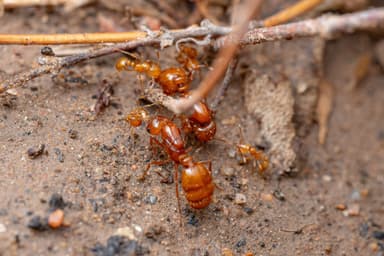
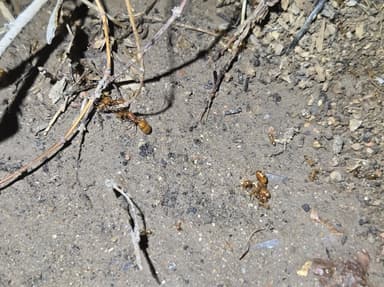
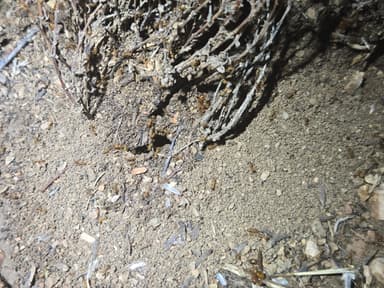
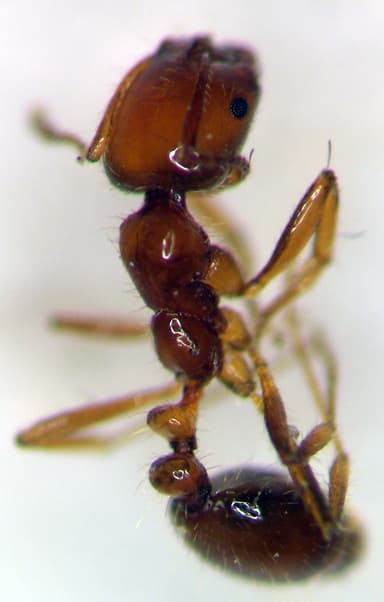
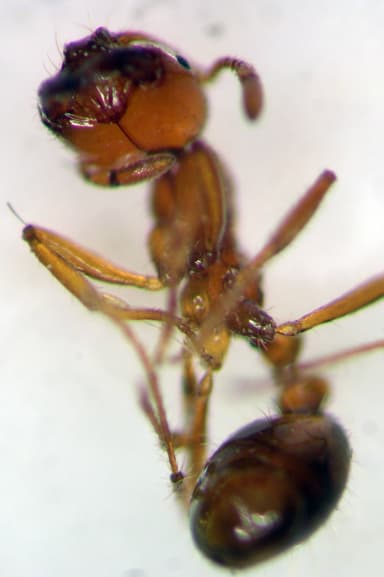
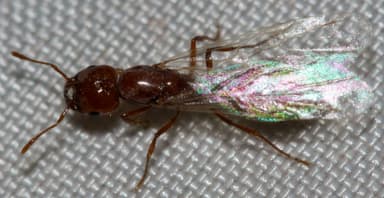
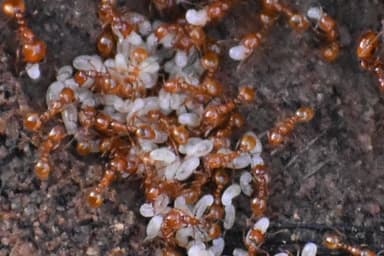
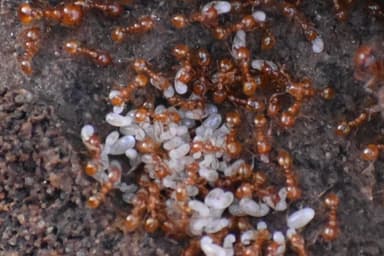
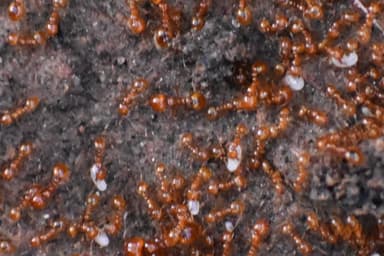
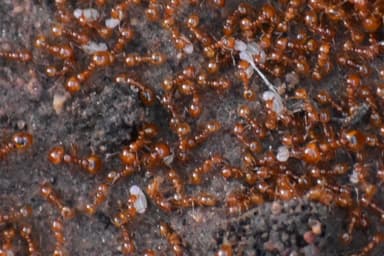
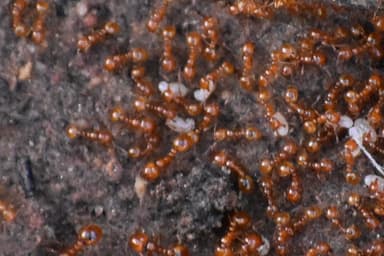
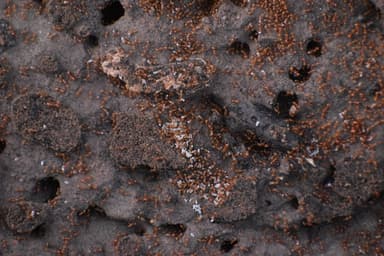
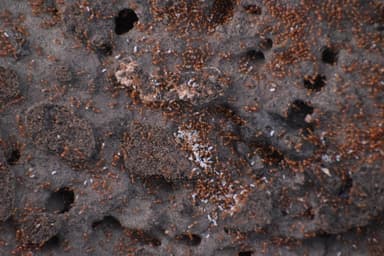
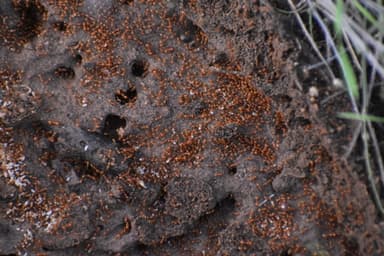
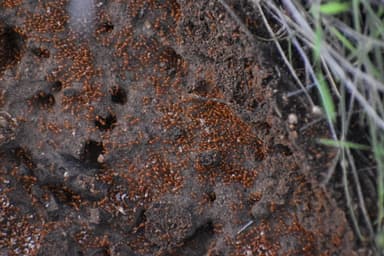
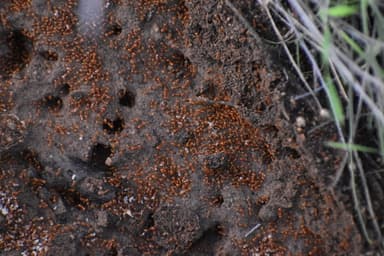
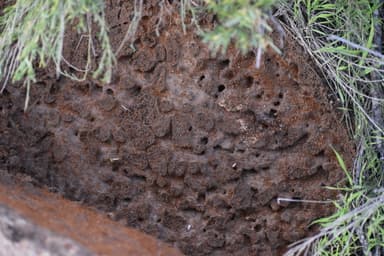
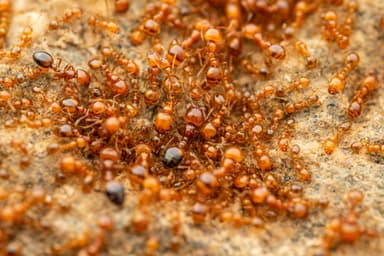
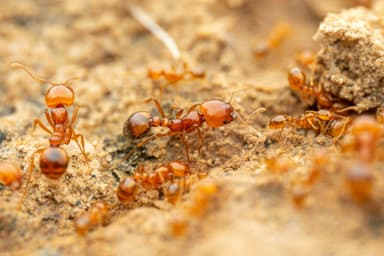
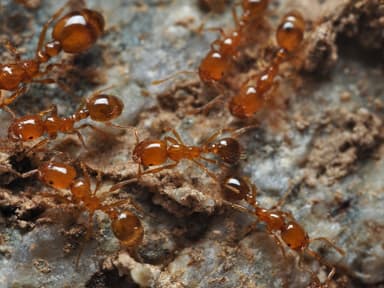
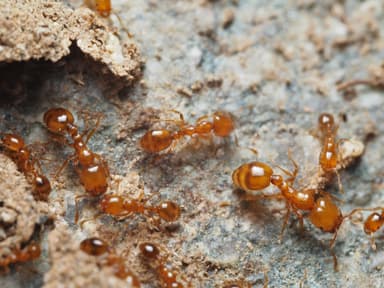
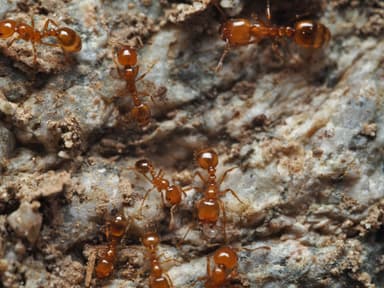
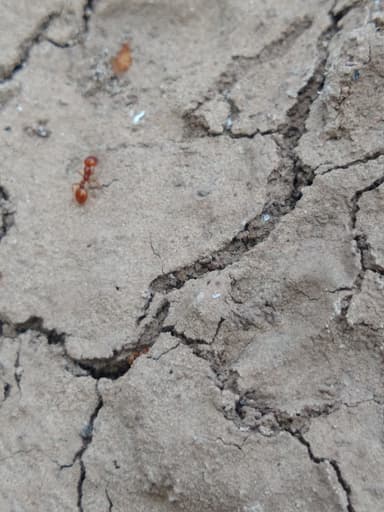
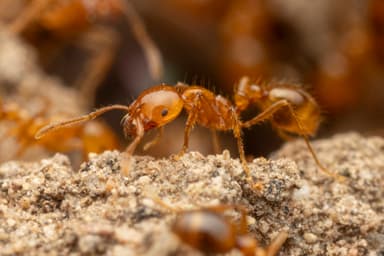
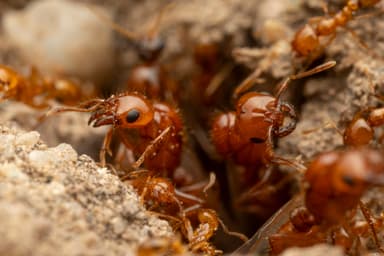
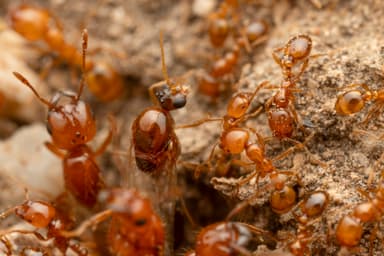
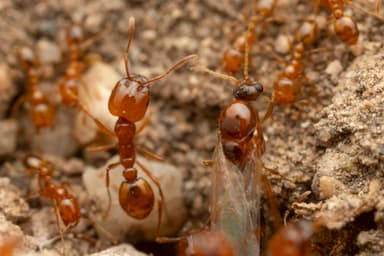
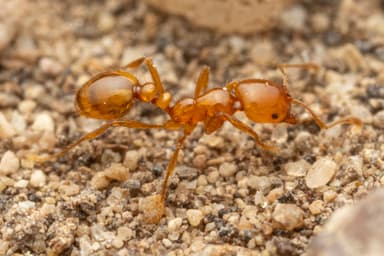
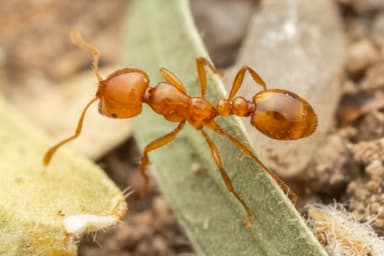
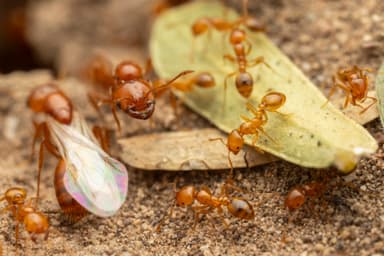
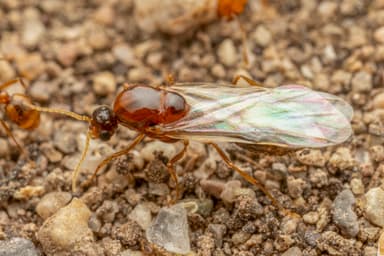
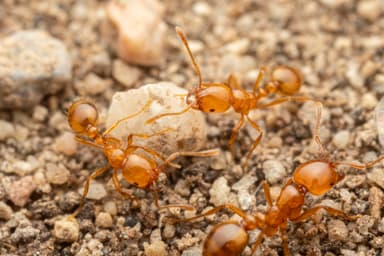
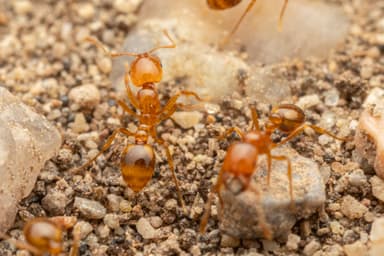
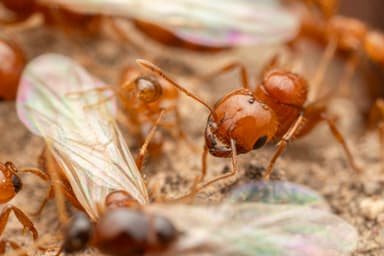
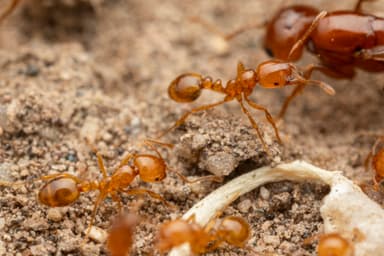
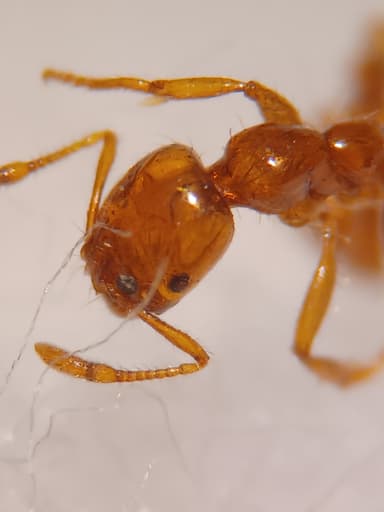
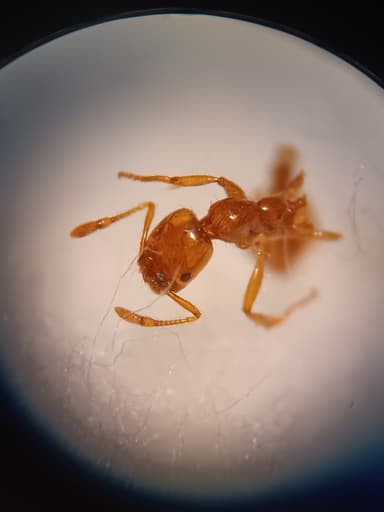
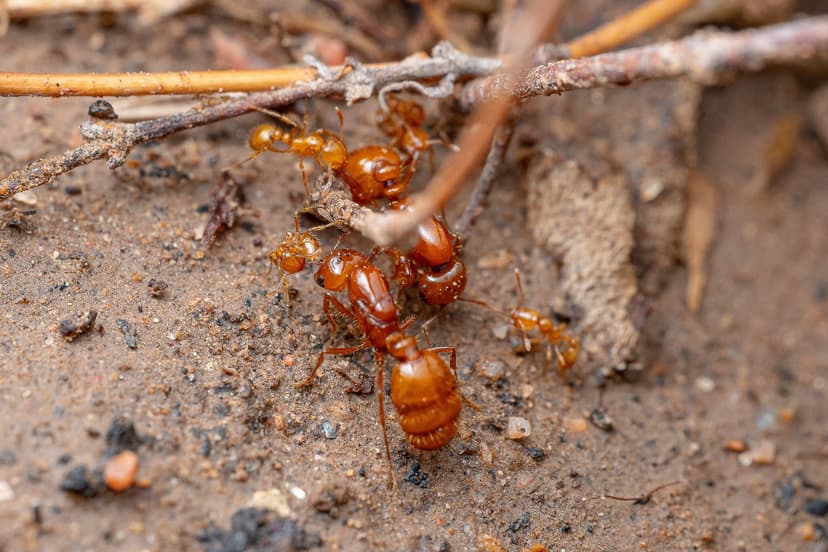
Solenopsis aurea, often referred to as the golden thief ant, is a diminutive species that rewards the attentive keeper with a glimpse into the secretive world of subterranean ants. Queens measure a modest 7–9 mm, while the polymorphic workers range from just 1.5 mm for the spindly minors to a more robust 3.5 mm in the major caste (Pacheco & Mackay 2013). Their pale amber to honey-gold integument lends them an almost translucent elegance under magnification, and mature colonies can eventually house up to ten thousand individuals. Like all thief ants, S. aurea has a flair for the clandestine: they are known to slip into the nests of other ant species to pilfer brood, and they readily exploit minute cracks to forage beyond their nest chamber. This species is claustral, with newly mated queens sealing themselves away to raise their first workers without external feeding. Native to the arid and semi‑arid expanses of the southwestern United States and northern Mexico — from the Chihuahuan and Sonoran deserts into the southern Great Plains — they are adapted to a cycle of summer monsoon rains. Nuptial flights occur on warm, humid evenings between June and September, often after thunderstorms, when winged reproductives emerge in spectacular, though easy‑to‑miss, swarms (GBIF occurrence data; AntWiki).
With an intermediate care difficulty, S. aurea is best suited to keepers who have already mastered the basics of humidity control and escape prevention. Their tiny size is the central challenge: workers can flee through the smallest gaps in traditional formicaria, and a single lapse in barrier maintenance can seed a domestic invasion. However, for those who enjoy the meticulous art of micro‑ant husbandry, this species offers a fascinating window into rapid colony growth and intricate caste behaviors. It is not a good match for someone seeking a large, constantly visible ant, as the workers often prefer to stay hidden unless foraging. But if you are charmed by the idea of nurturing a colony that can thrive in a compact, beautifully landscaped setup, and you’re willing to stay vigilant about seals and escapes, S. aurea will provide endless intrigue.
Housing must be both secure and well‑tuned to the species’ preference for modest humidity and steady warmth. A formicarium built from dense materials such as Y‑tong, plaster, or 3D‑printed nylon with tight‑fitting parts and fine‑mesh ventilation is ideal. These materials readily absorb water, allowing you to maintain the 40–60% humidity these ants favor, while a small outworld connected by a narrow tunnel prevents frantic breakouts. Temperature should be kept between 22°C and 30°C; a gentle gradient from a heat mat placed under one side of the nest lets the colony self‑regulate. Substrate can be minimal — a thin smear of sand or grout inside the nest gives workers a better grip, while the outworld may be decorated with arid‑themed gravel or clay. Because S. aurea can chew through weak silicone, all seams must be checked, and liquid PTFE barriers must be refreshed regularly. A test tube with a water reservoir is a fine starter home until the worker count reaches about thirty, after which a larger plaster nest with a hydration chamber helps sustain stable humidity.
Diet for S. aurea leans heavily toward protein and lipids, true to their reputation as brood‑raiding, scavenging opportunists. In captivity they eagerly accept small, freshly killed insects: fruit flies, pinhead crickets, or diced mealworm segments are all suitable. A tiny nib of unsalted cooked meat or a smear of peanut butter once a week provides the fatty reserves that drive egg production. For carbohydrates, offer a droplet of honey‑water, maple syrup, or commercial ant jelly on a cotton pad or small feeding dish; they will gather around it with focused diligence. As tiny as they are, workers readily cooperate to dismember prey, with majors using their larger heads to crush tough cuticle. Provide a constant source of clean water — usually via the nest’s hydration system — and feed modest portions daily or every other day, removing any uneaten food after 24 hours to prevent mold. Because S. aurea is an expert at locating food and recruiting nestmates, you’ll soon see foragers tracing reliable pathways between the nest and the feeding station.
The golden thief ant does not require hibernation. Across its native range, winter temperatures remain mild enough that a formal diapause is unnecessary, and in captivity the colony will remain active year‑round as long as conditions stay within the 22–30°C window. You may notice a slight lull in brood production if ambient temperatures dip at night, but this is not harmful, nor is it a cue to force a rest period. Consistent warmth, steady humidity, and a reliable protein supply will keep the queen laying and the workers busy. This perpetual activity is a boon for the keeper who dislikes the long, uneventful dormancy of temperate ant species, though it does mean you must maintain careful feeding and hydration routines across all seasons without a winter break.
The first few days after your colony arrives are critical for ensuring a smooth transition. Resist the temptation to disturb them; place the sealed test tube or shipping container in a dim, vibration‑free area and let the ants settle for at least 24 hours. During this time, the queen will calm down and workers will regroup. After a day, offer the tiniest possible droplet of sugar water on a piece of plastic or cotton — placed directly inside the outworld or, if they are still in the tube, at the entrance — and a pre‑killed fruit fly. Do not force them to move into a larger nest until the colony has at least 20–30 workers, as a too‑spacious home can lead to stress and mould problems. Monitor for escape attempts immediately; the ants will explore every micron of their enclosure, and a single worker finding a flaw can quickly map the route for others. Check the queen’s condition from a distance, ensuring she is not overly stressed or injured. Within the first week, you should see the first signs of foraging and, if conditions are right, fresh eggs or larvae tucked beneath the queen’s attentive mandibles. From there, the colony will gradually build momentum, and you can take pride in shepherding one of North America’s most elusive but rewarding ant species through its life cycle.