Paratrechina
Paratrechina longicornis
Nuptial Flight Calendar
Flight months: Mar, Apr, May, Jun, Jul, Aug, Sep, Oct
Care Guide
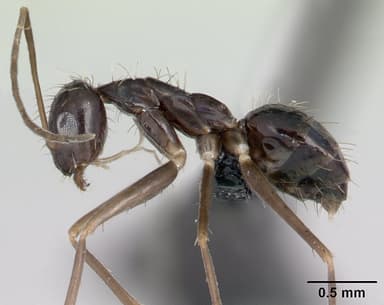
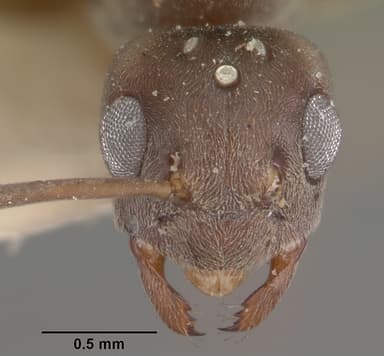
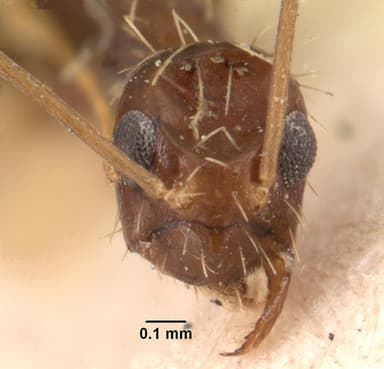
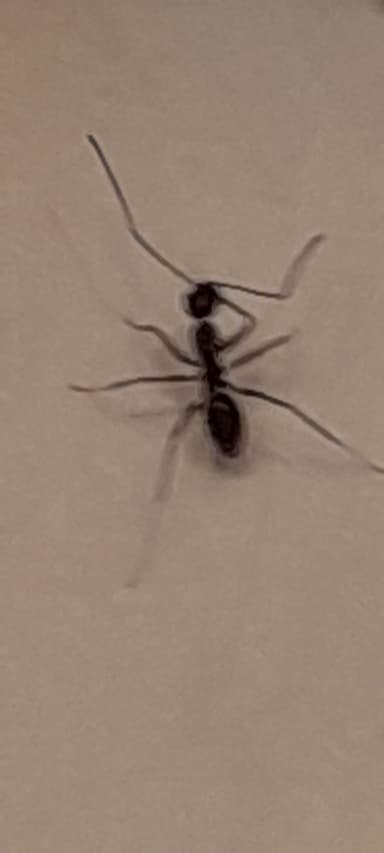
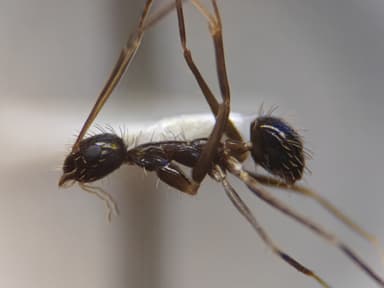
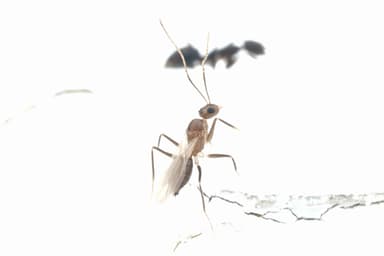
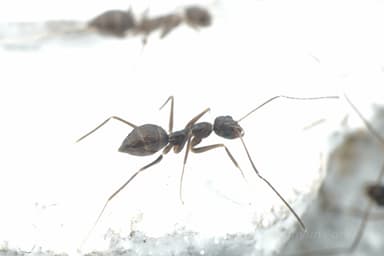
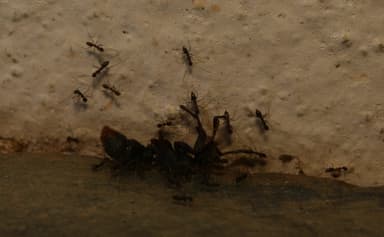
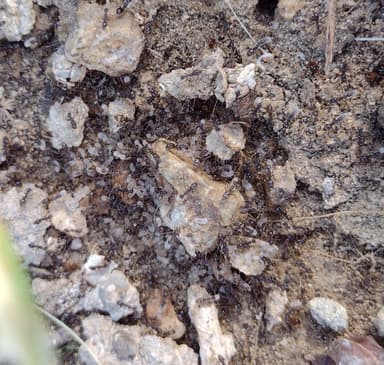
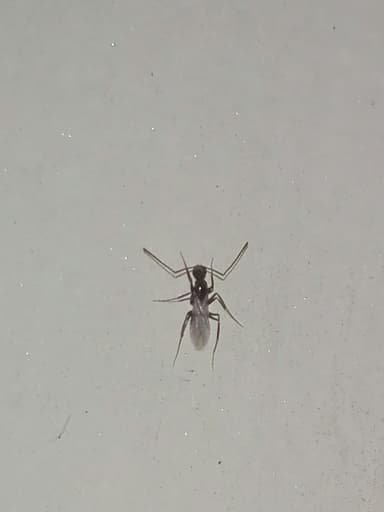
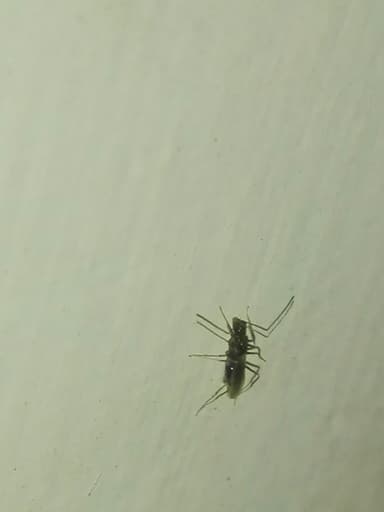
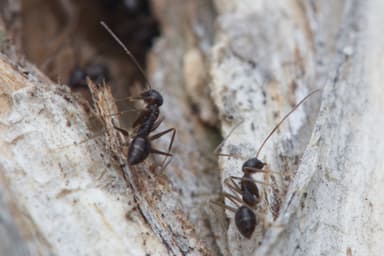
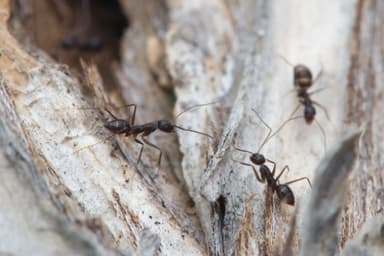
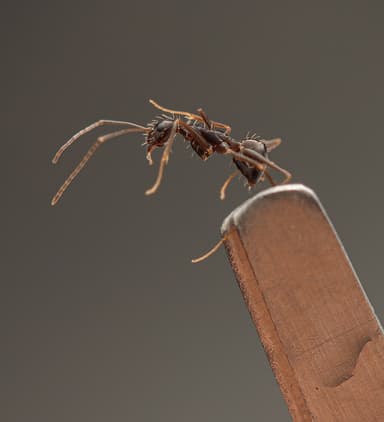
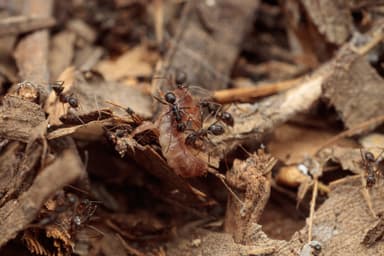
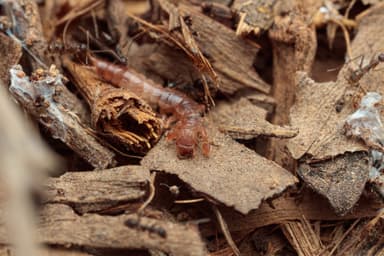
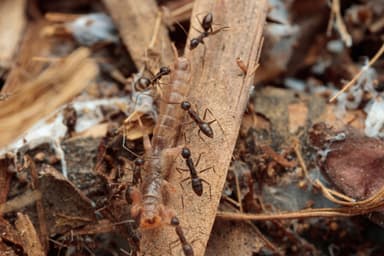
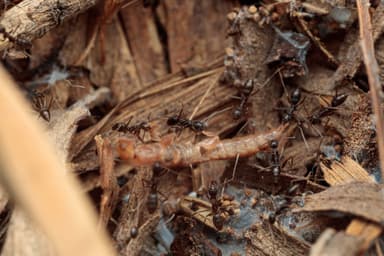
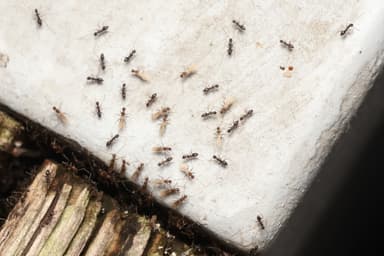
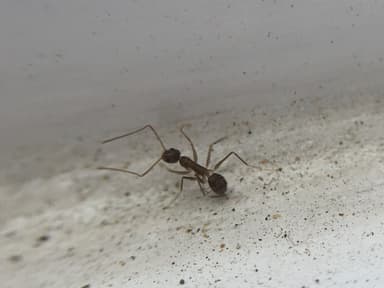
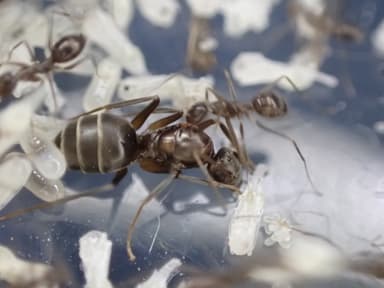
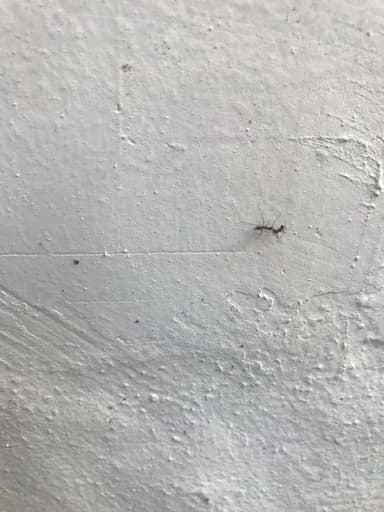
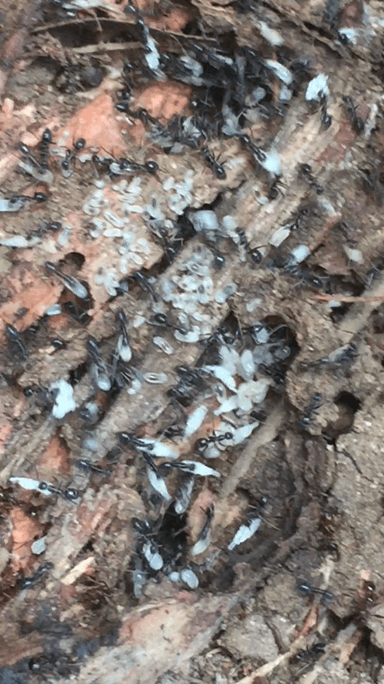
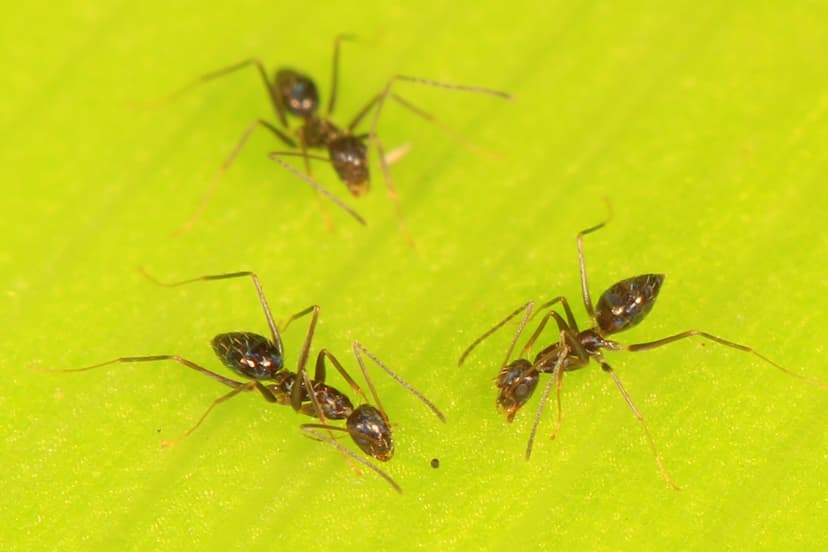
Paratrechina longicornis, commonly known as the longhorn crazy ant, is a diminutive but endlessly entertaining species whose name perfectly captures its most conspicuous traits. Workers measure a mere 2.3 to 3 millimeters, while queens are only slightly larger at 4 to 5 millimeters, but what they lack in size they make up for in sheer personality. Their extraordinarily long antennae and legs give them a somewhat gangly, spider-like silhouette, and their rapid, erratic movements — darting and changing direction seemingly without purpose — make a bustling foraging column resemble a tiny, frantic dance. This is a monomorphic species, meaning all non-reproductive individuals are of a single physical caste (Trager 1984). Colonies are polygynous and typically modest by ant standards, topping out at around 2,000 workers, and they reproduce through a process known as budding, where a subset of workers and one or more queens simply leave the main nest to establish a new one nearby. This strategy, combined with their remarkable adaptability, has allowed P. longicornis to become one of the world’s most successful tramp ants, now established across pantropical and subtropical regions from the Americas to Asia (Wetterer 2008). For the hobbyist, their global success translates into a robust and resilient captive that offers constant activity and a window into the dynamics of a highly cooperative, multi-queen society.
When it comes to care difficulty, this species is an ideal entry point for novice ant keepers and a rewarding addition for seasoned enthusiasts who appreciate a lively, low-maintenance display. The beginner rating is well-earned: P. longicornis is exceptionally tolerant of a range of conditions thanks to its long history as a human commensal, and its budding mode of reproduction means you will never need to simulate the nuanced environmental triggers of a nuptial flight to expand your colony. All you need is a healthy, well-fed nest, and the ants will handle propagation on their own. There are no specialized dietary requirements, no obligate hibernation, and no complex social hierarchies to manage, just a single worker type that forages, nurses brood, and defends the nest with equal vigor. The main challenge — and it is a genuine one — is their astonishing escapability. Workers can traverse almost any dry surface with ease, and a tiny gap that seems insignificant is an open invitation. For anyone willing to invest in a truly escape-proof setup and pay close attention to barrier maintenance, keeping this ant is a delightful and forgiving experience.
Creating a secure and comfortable home for your longhorn crazy ants begins with that crucial principle: containment. A high-quality formicarium with tight-fitting lids, a reliable PTFE or oil-based escape barrier, and no overlooked gaps around ports or tubing is mandatory. Because these ants reproduce by budding and maintain multiple queens, they appreciate extra nest space, or the ability to easily connect additional chambers as the colony grows. A nest design that offers a range of humidity gradients is ideal — the species thrives at 50 to 70 percent relative humidity — and this can be achieved by providing a moistened nesting area alongside a drier foraging zone. A substrate is not strictly required, and many keepers house them successfully in plaster or ytong nests, but a thin layer of sand or fine soil in the outworld allows workers to manipulate materials and may reduce stress. Temperature should be maintained between 22 and 30 degrees Celsius, a range that can be achieved with a small heat mat placed under one end of the nest to create a thermal gradient. This lets the ants self-regulate, moving their brood to the zone that best suits their developmental needs. As Passera (1994) and other myrmecologists have noted, tramp species like P. longicornis are masters of colonizing disturbed, variable environments, and they will adapt readily to slight fluctuations, but keeping conditions within this band encourages steady growth and healthy brood production.
Feeding longhorn crazy ants is a straightforward affair that underscores their opportunistic nature. A diet balanced between protein and carbohydrates will keep the colony thriving. Offer small, soft-bodied insects such as fruit flies, pinhead crickets, or cut-up mealworms two to three times per week as a protein source, always pre-killing any large prey to prevent injury to the smallest workers. For carbohydrates, a tiny droplet of honey, maple syrup, or a commercial ant nectar is eagerly accepted; dilute sugar solutions in a water feeder work equally well. Clean, fresh water must always be available, ideally provided through a test tube setup or a small water tower within the outworld, separate from the sugar source to avoid drowning. Because colony sizes rarely exceed 2,000 individuals, it is easy to overfeed, so always remove uneaten protein after a day to prevent mold and mite outbreaks. Observing the foraging activity provides a good gauge: if workers swarm a food item within minutes, the colony is hungry and can handle slightly larger portions. Their scavenging behavior also means they will collect tiny crumbs and dead prey parts that other ants might ignore, so maintaining a clean outworld is especially important.
One of the most appealing aspects of keeping P. longicornis is that it requires no hibernation or winter diapause whatsoever. In their native tropical and subtropical range, colonies remain active year-round, and reproductive budding occurs from spring through early autumn without any synchronized mass flights (Wetterer 2008). In captivity, simply maintain the same temperature and feeding schedule throughout the year. If ambient temperatures drop slightly during cooler months, the colony will slow its activity and brood production, but no harm is done as long as the nest remains above roughly 20 degrees Celsius. This perpetual activity makes them a wonderful species to observe during winter months when temperate ant colonies are tucked away for their dormancy. It also simplifies care dramatically for beginners who are not yet comfortable with the precise chilling protocols required by many northern species.
The first few days after your ants arrive are a critical settling-in period that sets the tone for long-term health. Place the sealed colony in a quiet, dimly lit spot and resist the urge to observe them for at least 24 hours; they need quiet to recover from shipping stress and begin mapping their new environment. After this rest period, offer a tiny smear of sugar water on a piece of foil placed directly in the outworld, but do not attempt to feed protein just yet. Watch for calm, exploratory foraging — workers moving deliberately, not in a panicked scatter — before introducing the first pre-killed fruit fly the following day. The most important task during these early days is monitoring the security of the setup: inspect the escape barrier daily for dust or smudging, and ensure all ventilation holes are smaller than the ants’ head capsules. A common mistake is introducing too much food too soon, which can foul the nest and stress the young colony. If the ants huddle tightly in the hydration chamber for an extended period, it often indicates they need slightly more humidity; a gentle misting of the nest entrance area can help. With a bit of patience and attention to these details, your longhorn crazy ant colony will soon be its signature whir of wild, ceaseless motion — one of the most entertaining microcosms you can keep on a desk.