Oecophylla
Oecophylla smaragdina
Nuptial Flight Calendar
Flight months: Jan, Mar, Apr, May, Jun, Jul, Aug, Sep, Oct, Nov, Dec
Care Guide
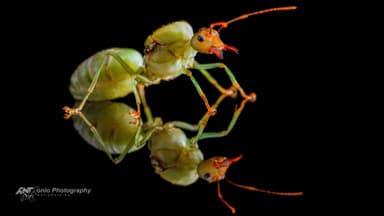
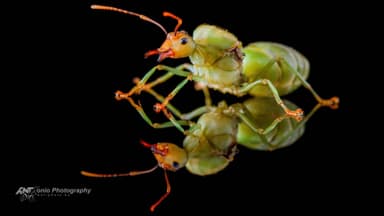
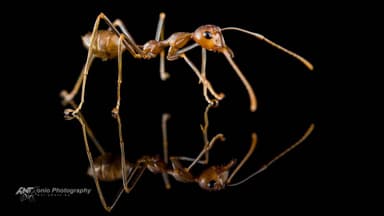
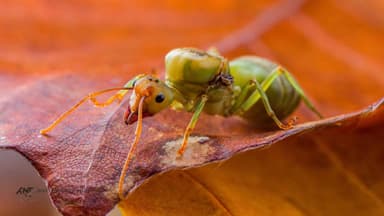
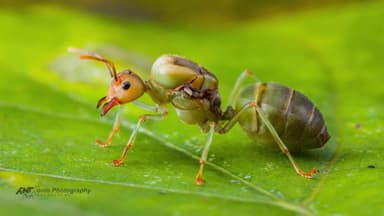
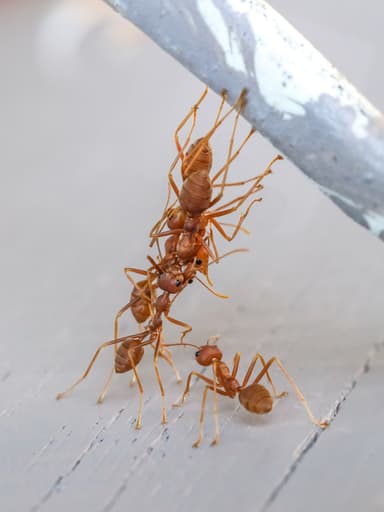
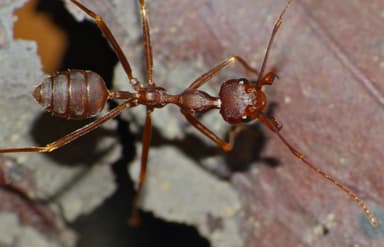
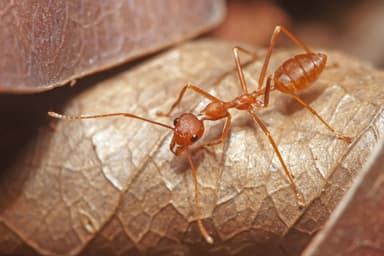
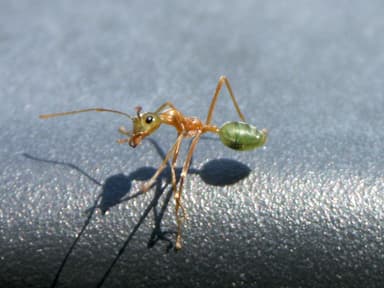
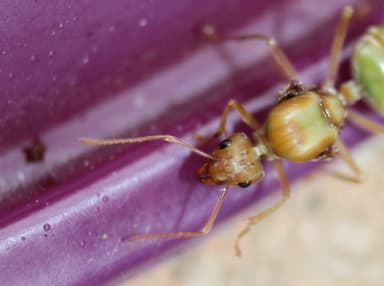
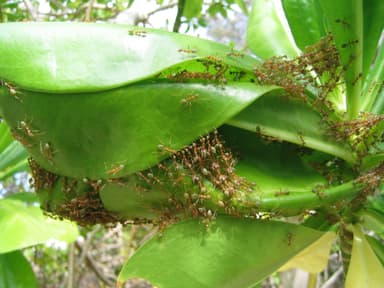
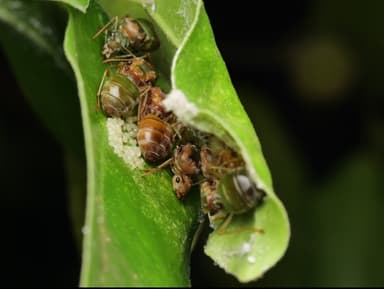
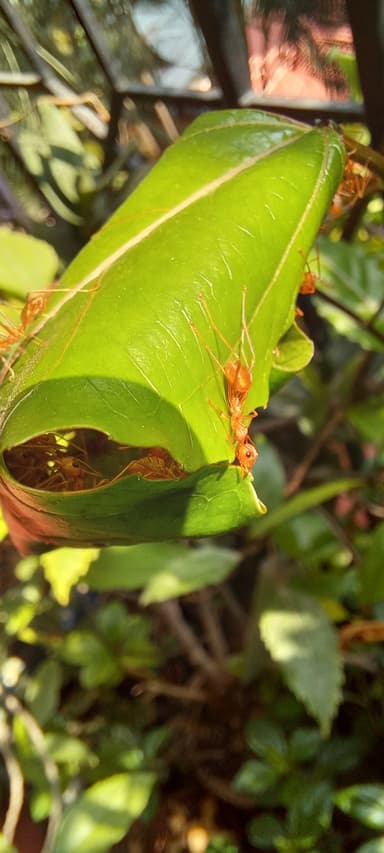
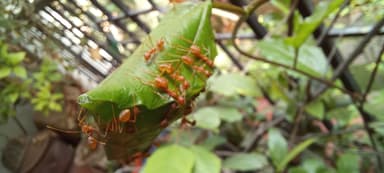
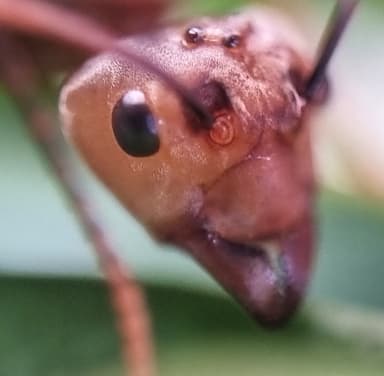
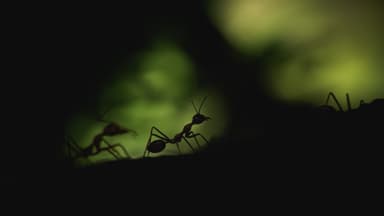
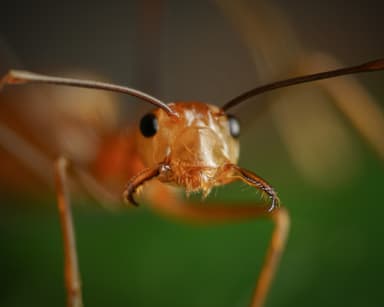
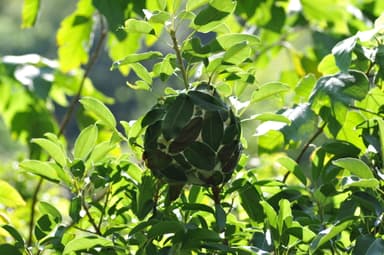
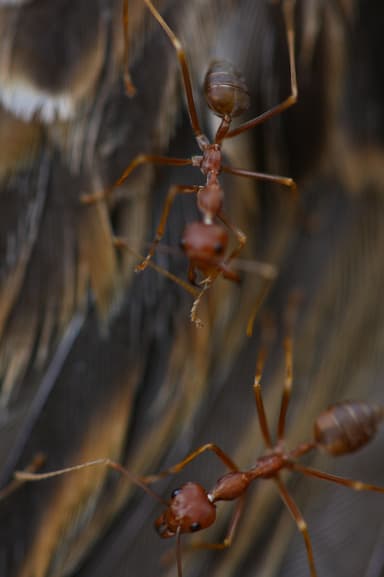
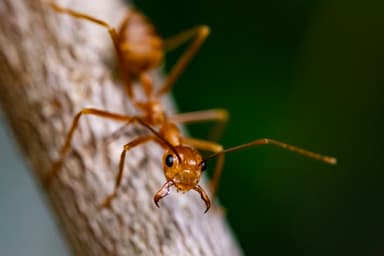
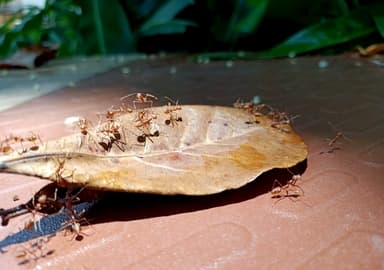
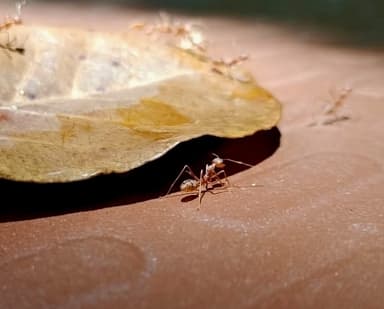
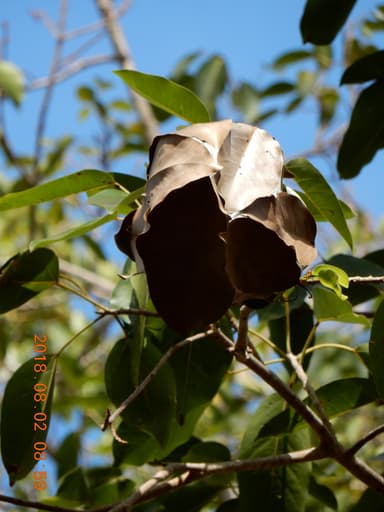
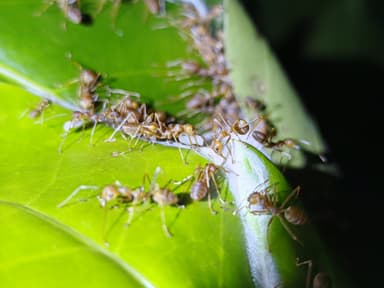
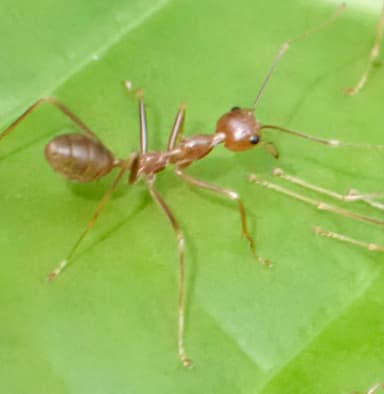
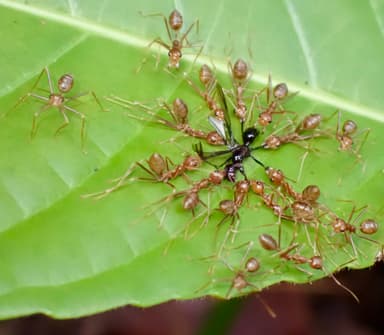
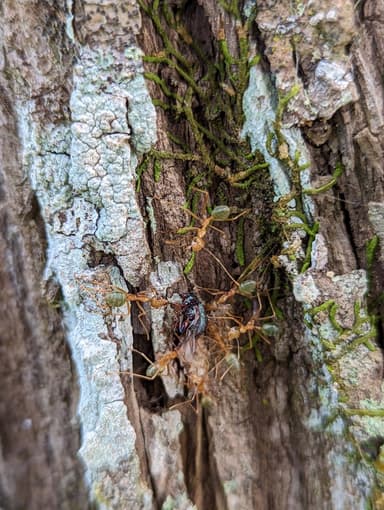
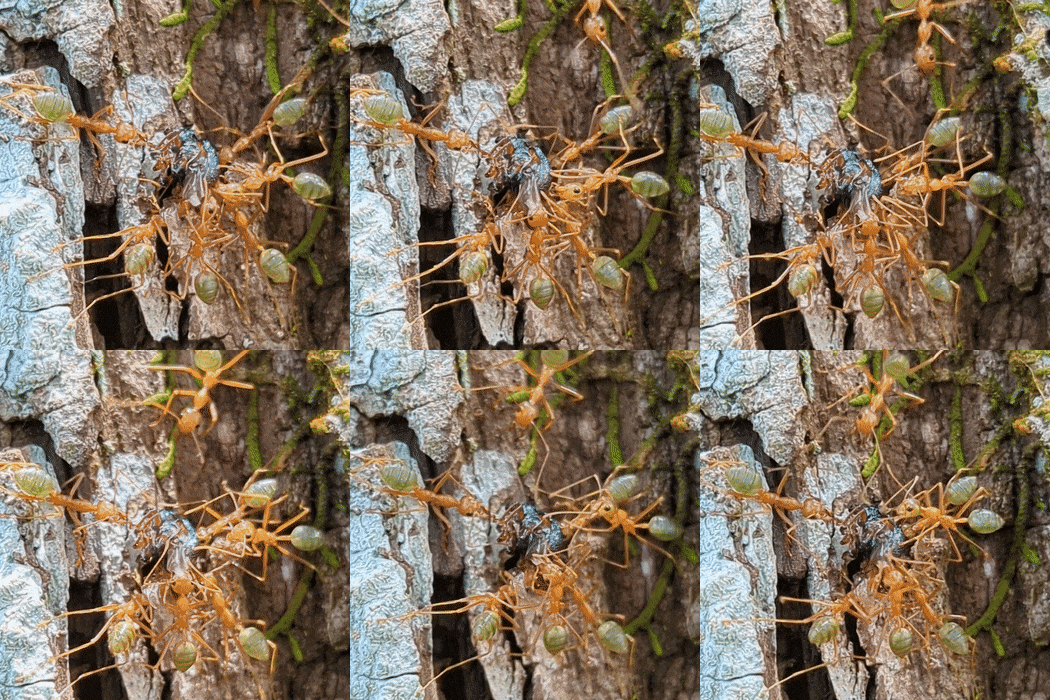
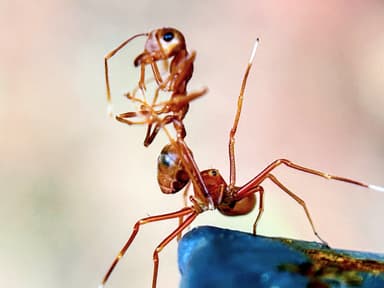
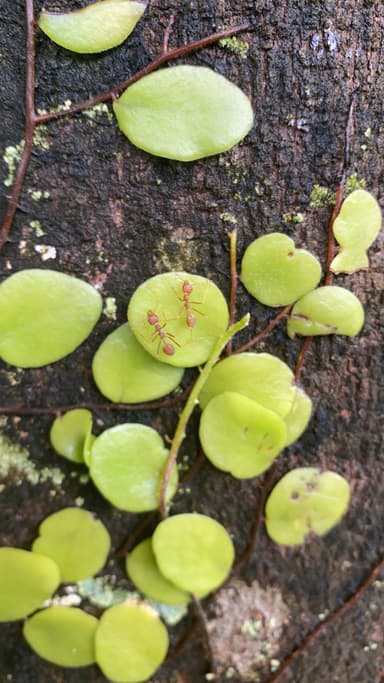
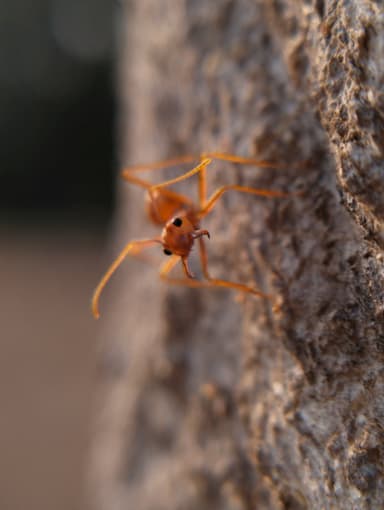
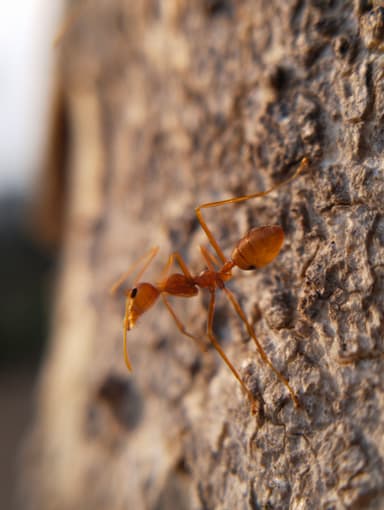
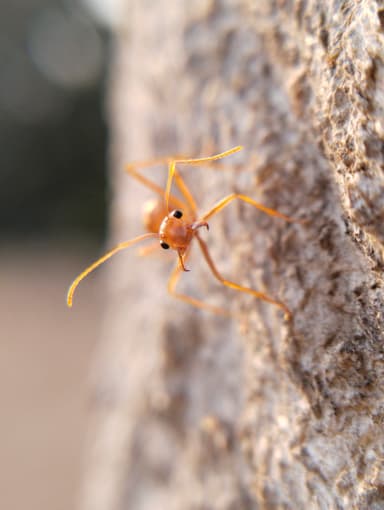
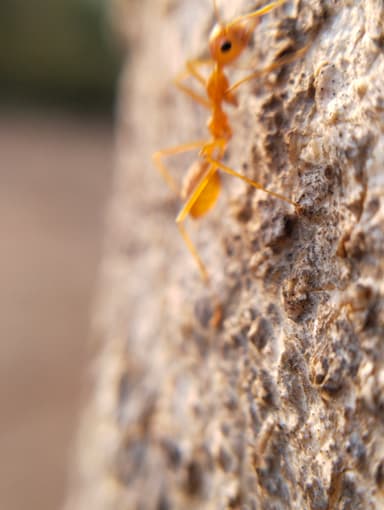
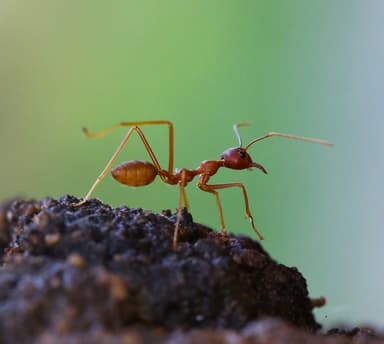
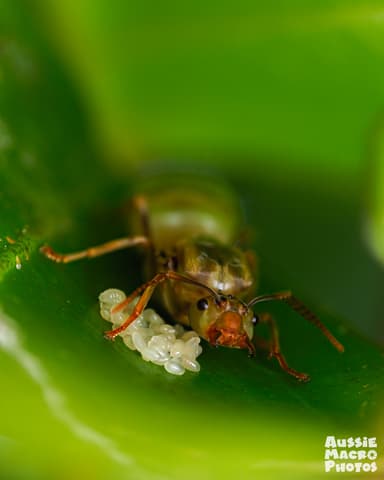
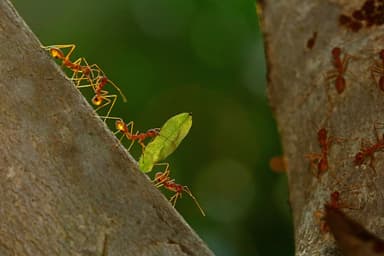
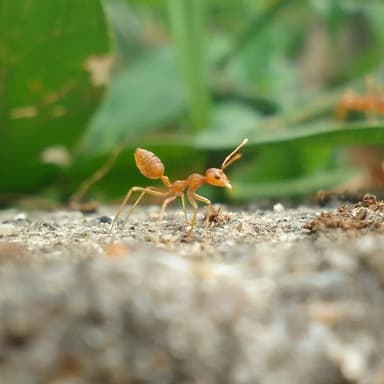
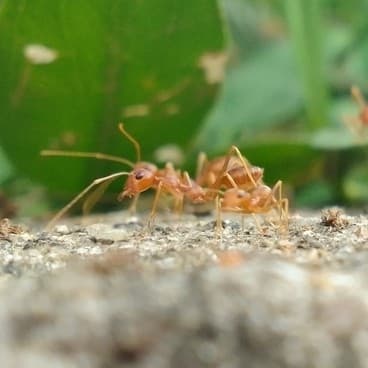
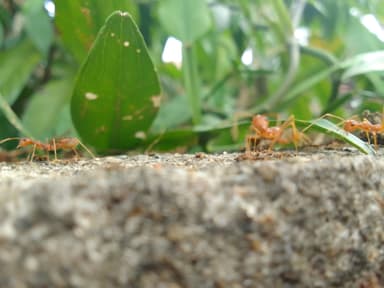
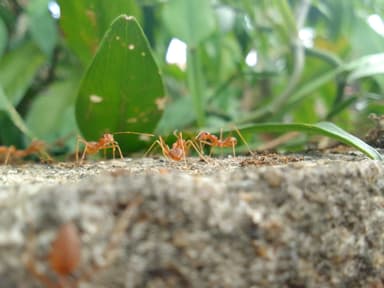
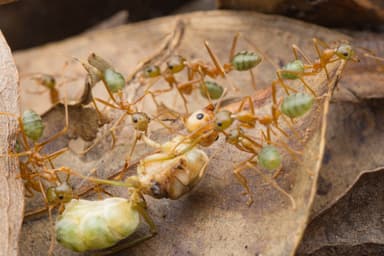
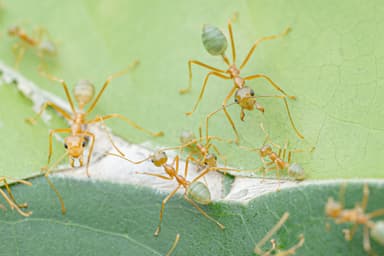
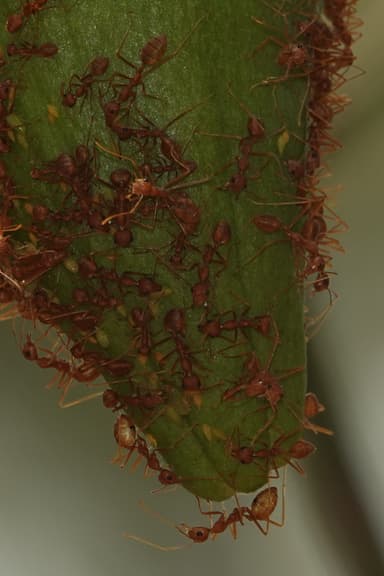
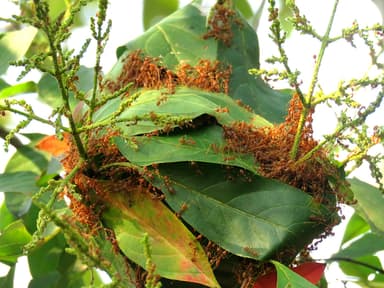
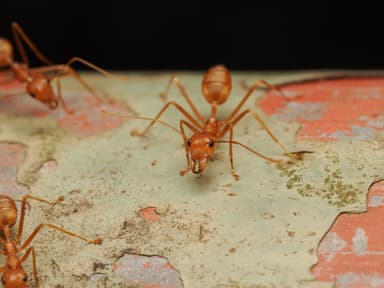
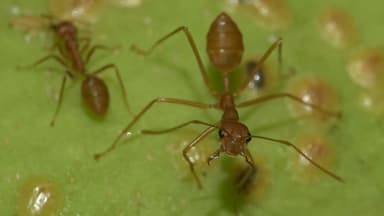
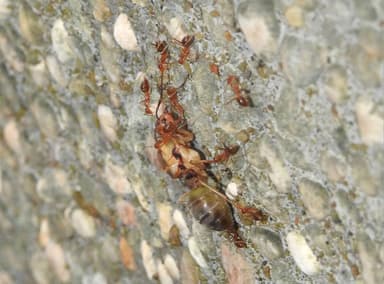
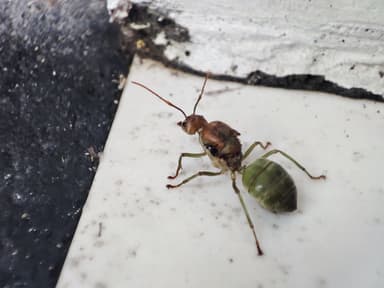
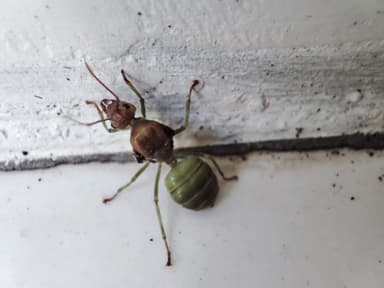
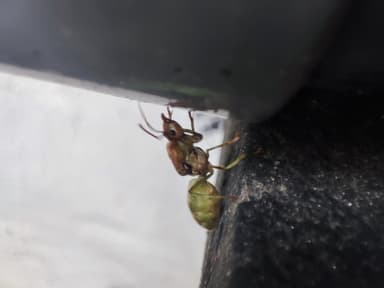
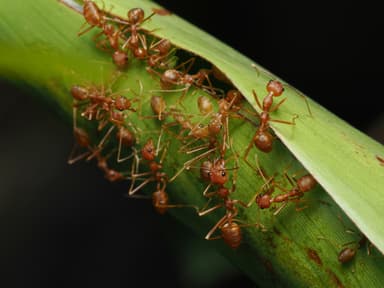
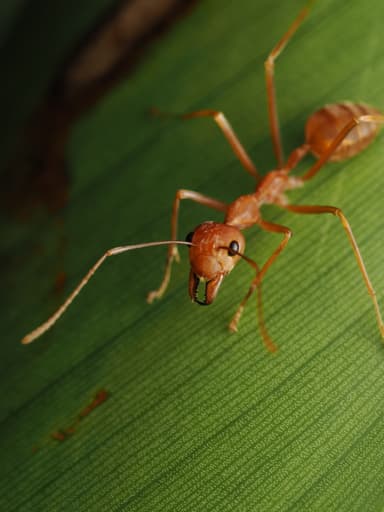
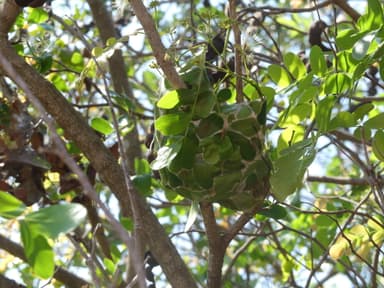
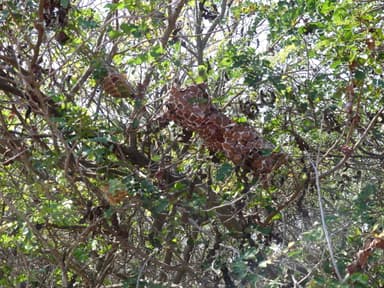
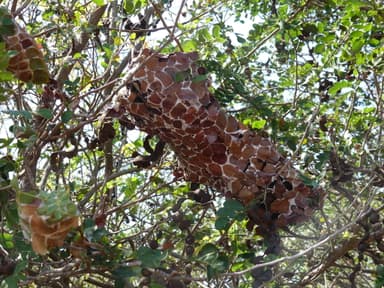
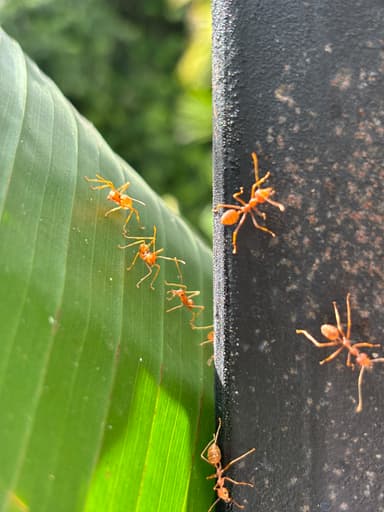
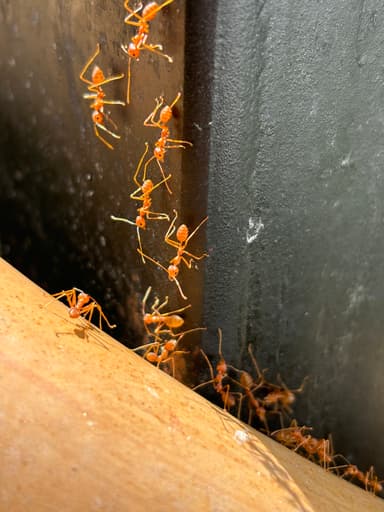
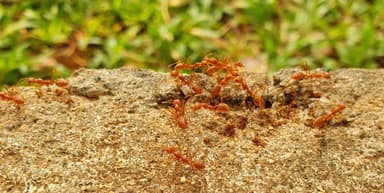
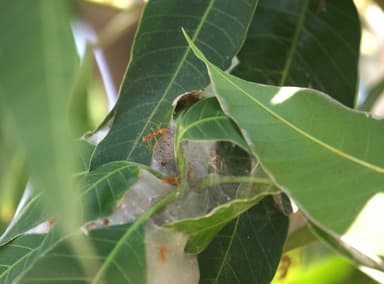
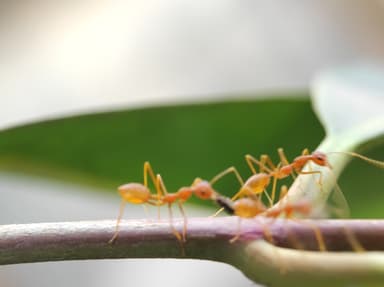
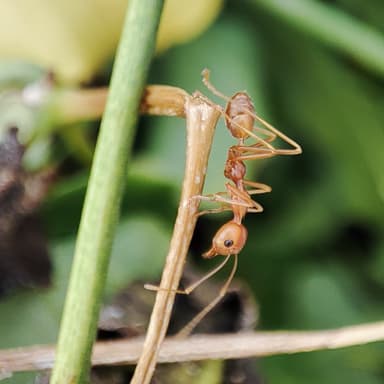
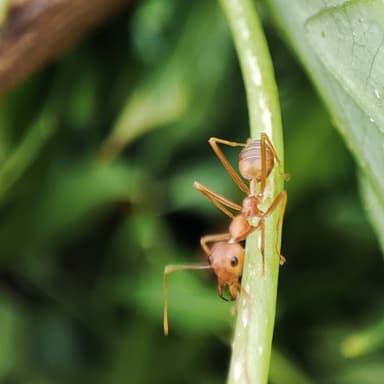
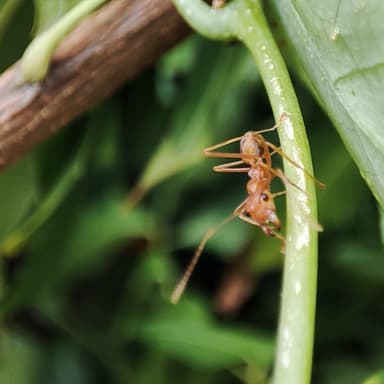
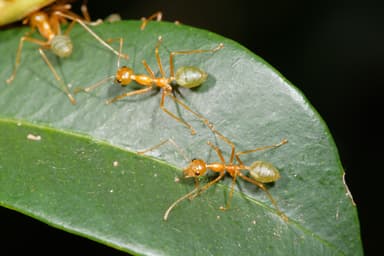
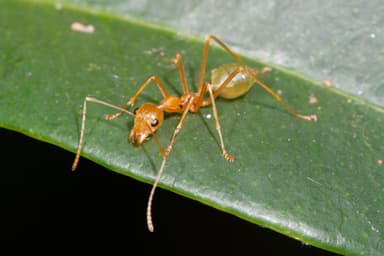
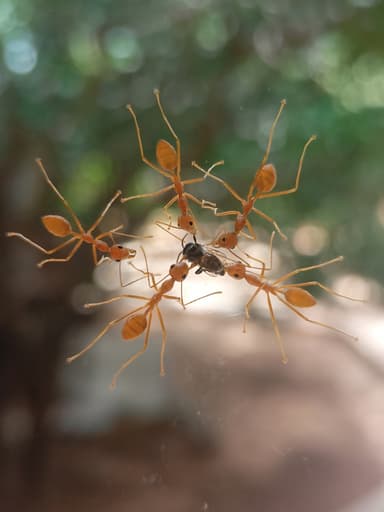
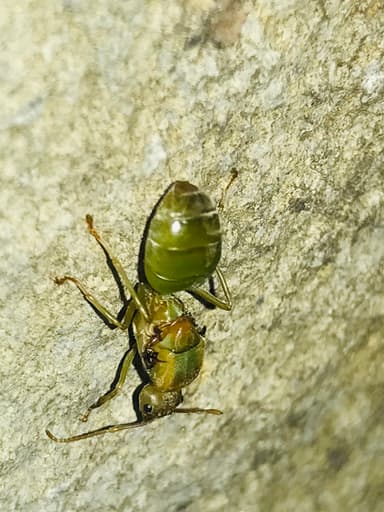
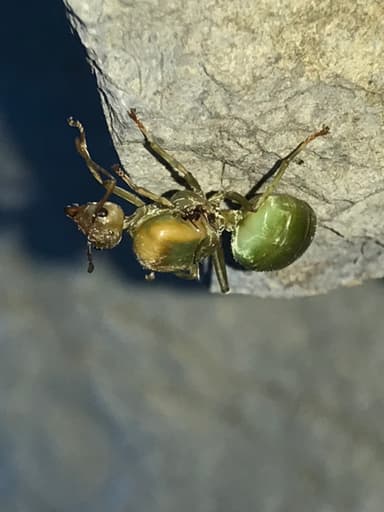
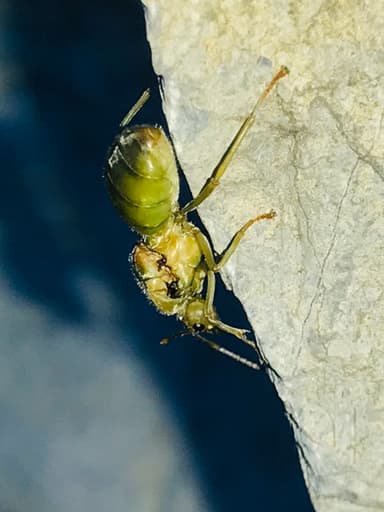
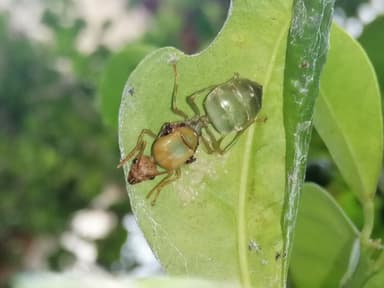
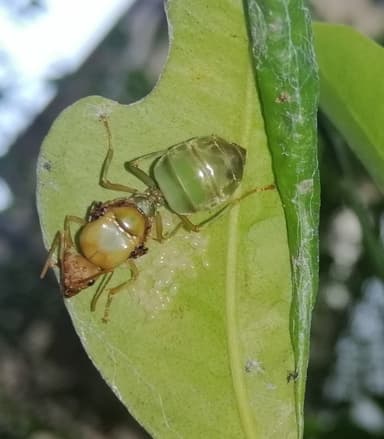
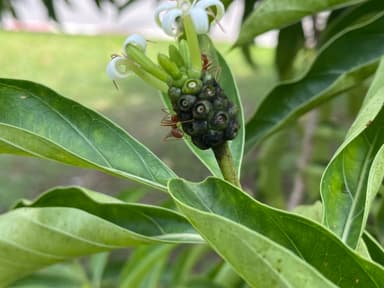
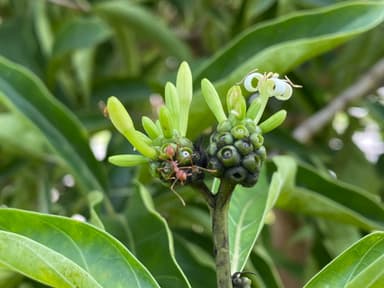
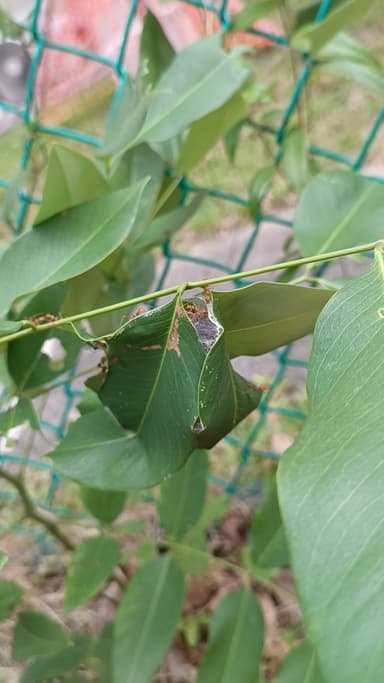
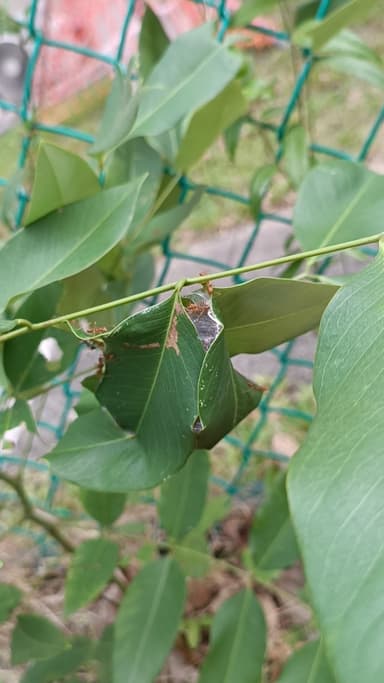
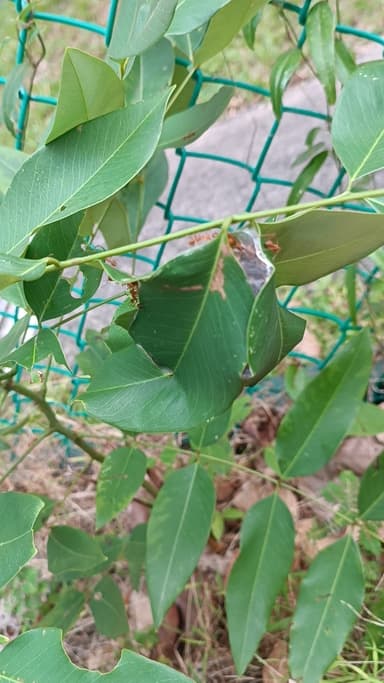
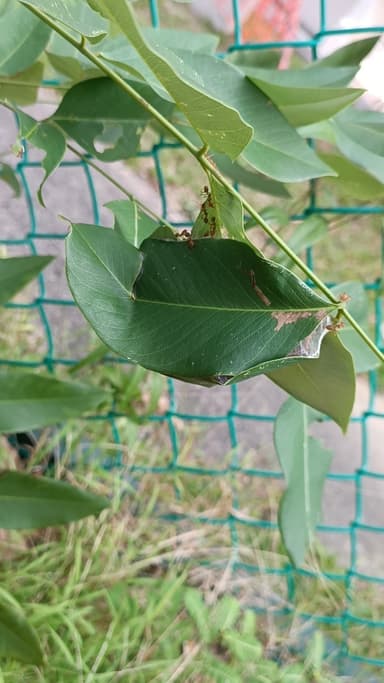
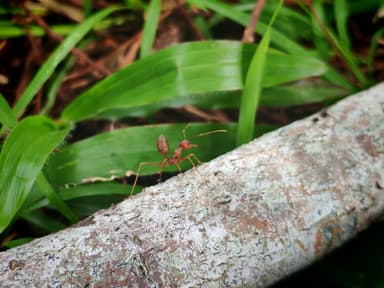
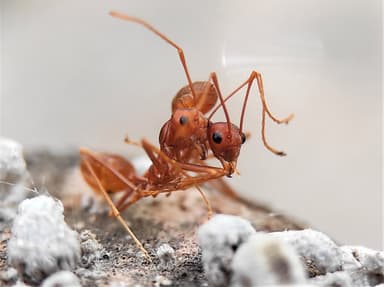
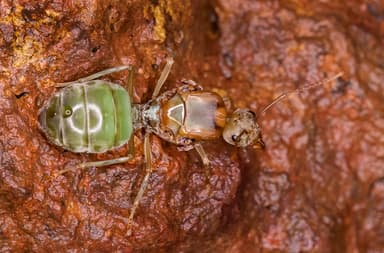
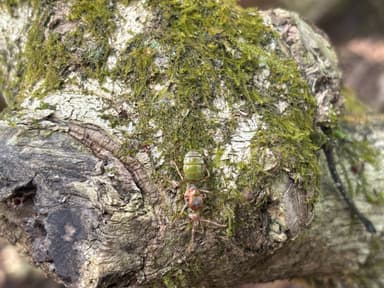
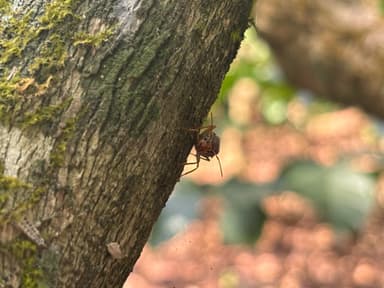
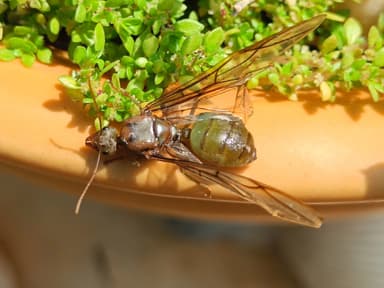
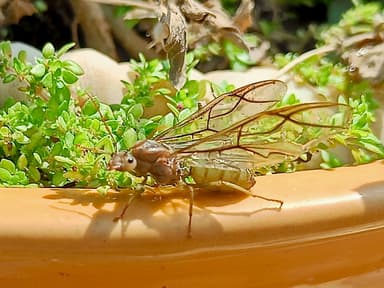
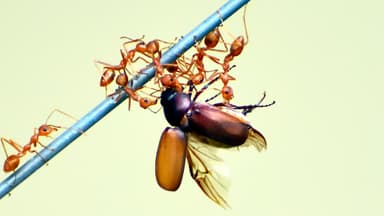
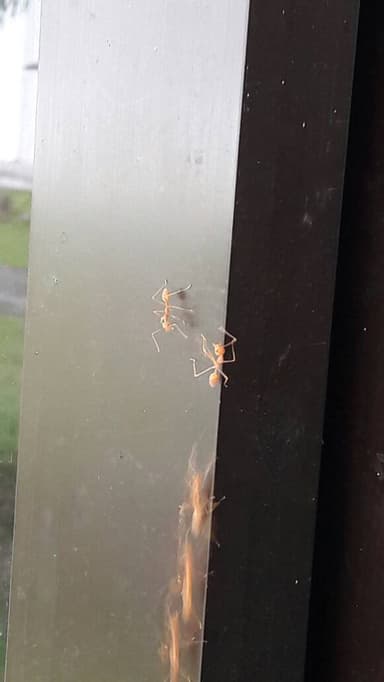
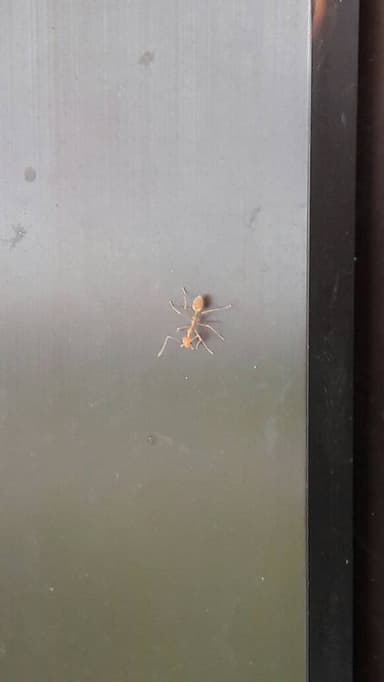
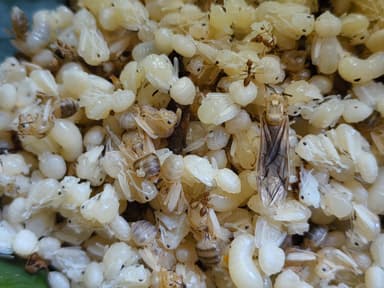
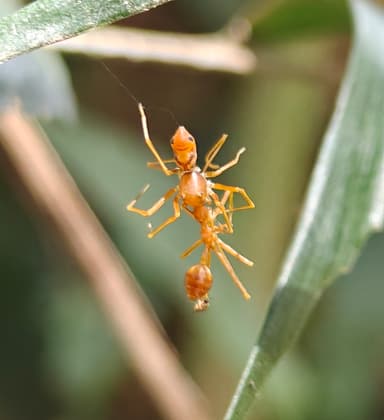
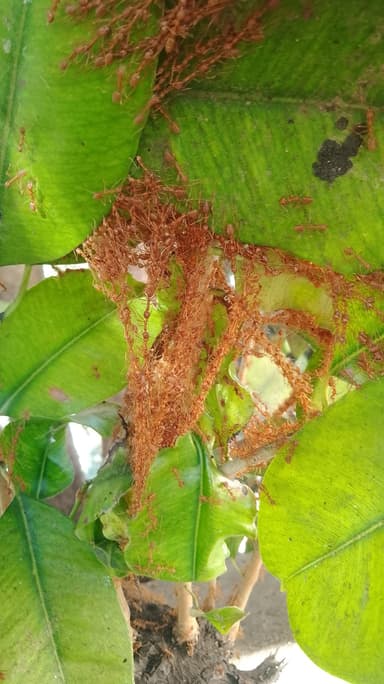
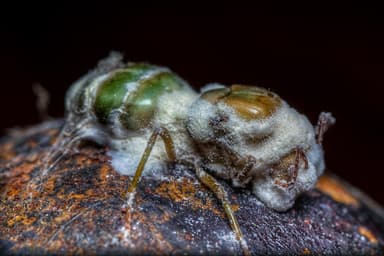
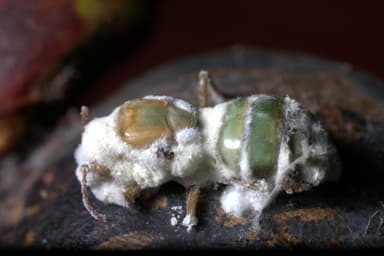
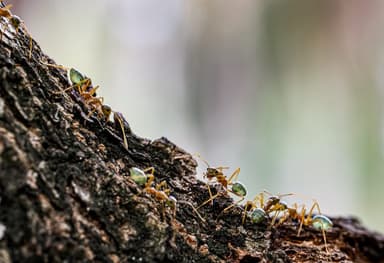
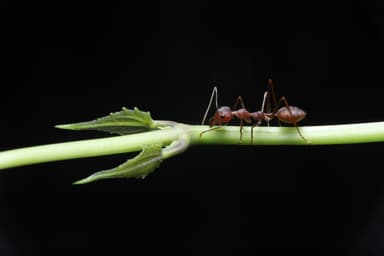
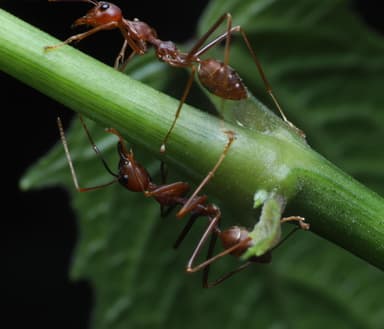
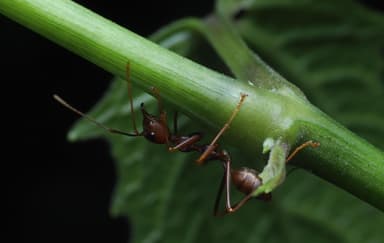
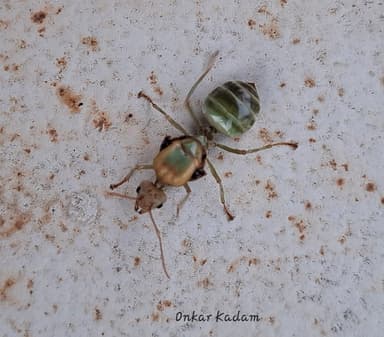
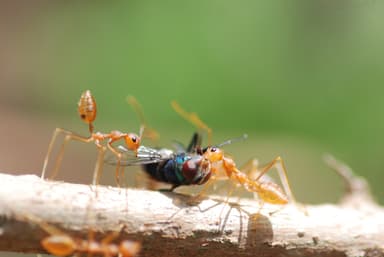
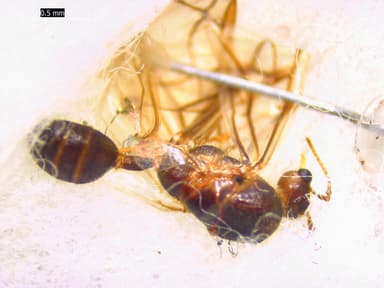
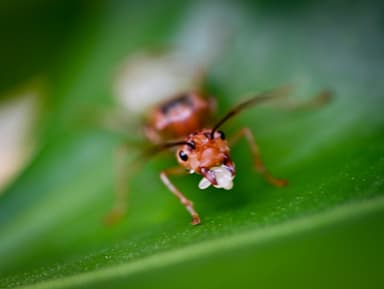
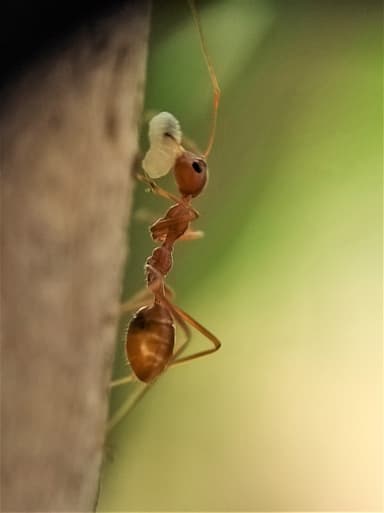
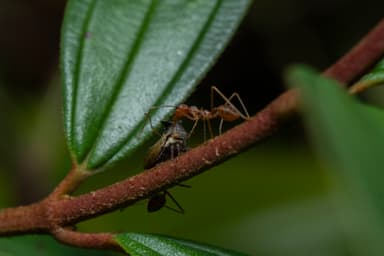
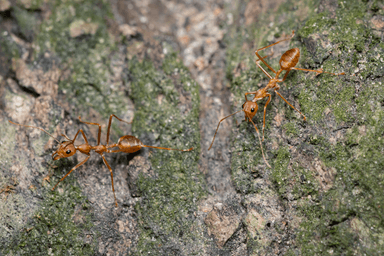
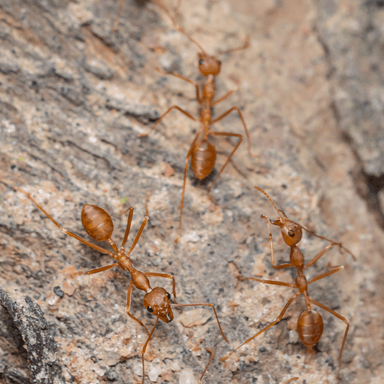
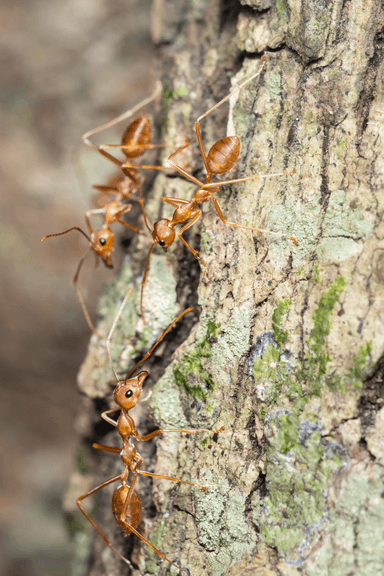
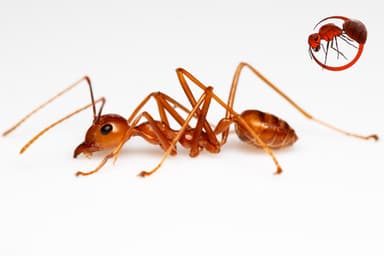
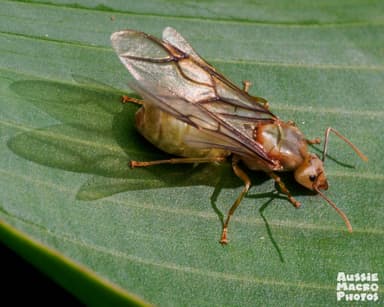
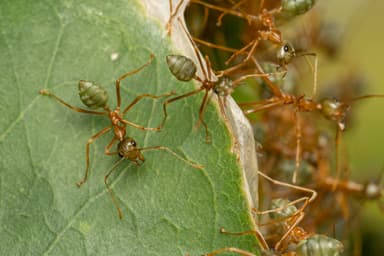
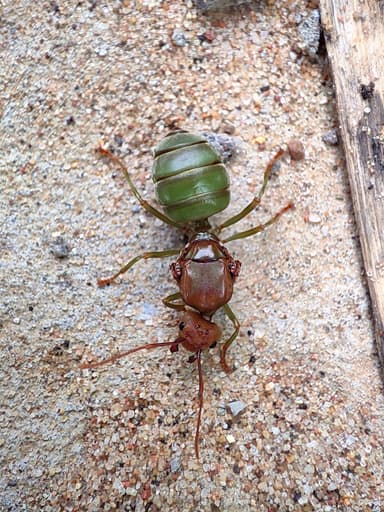
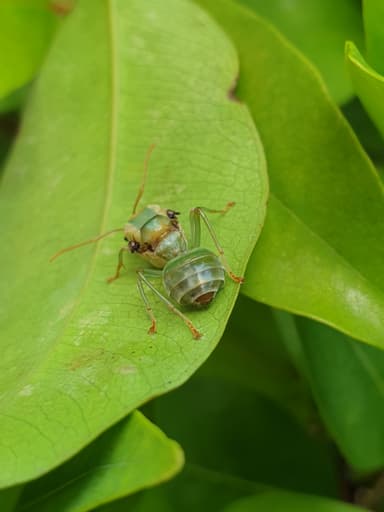
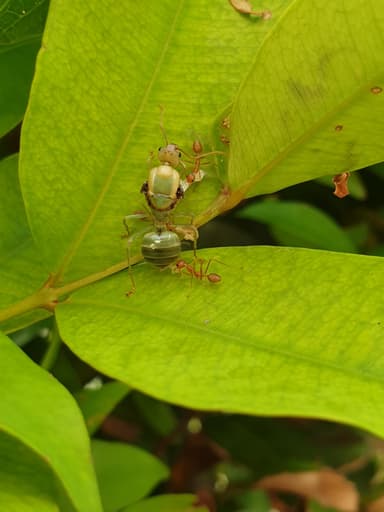
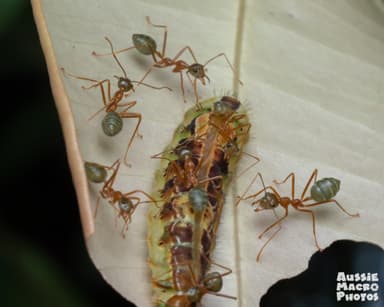
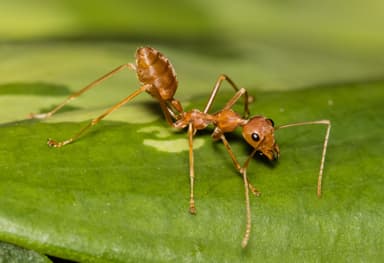
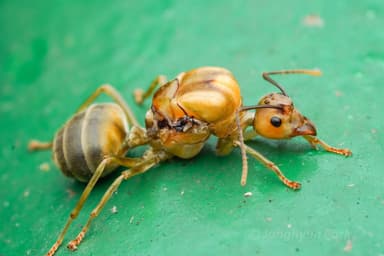
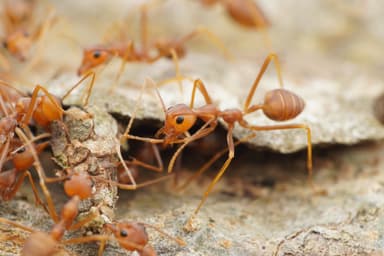
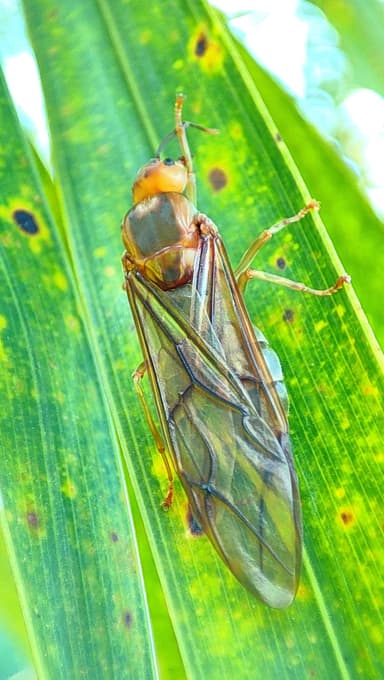
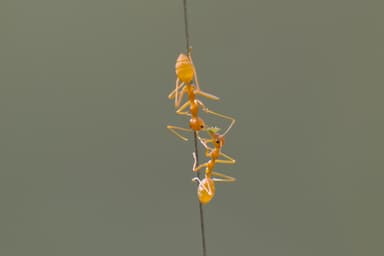
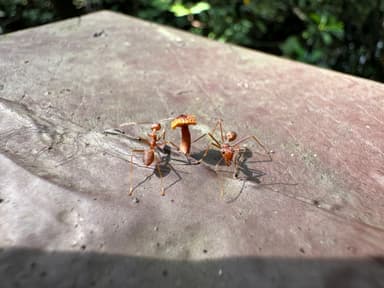
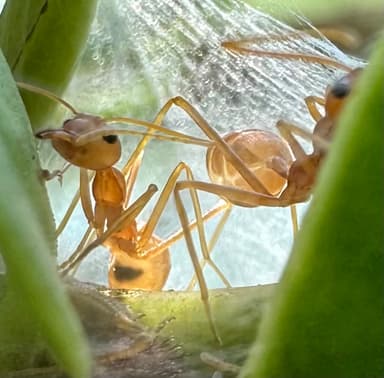
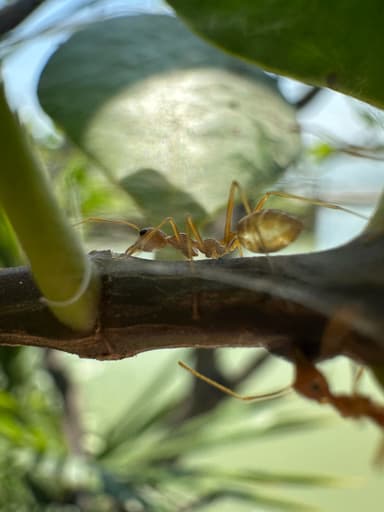
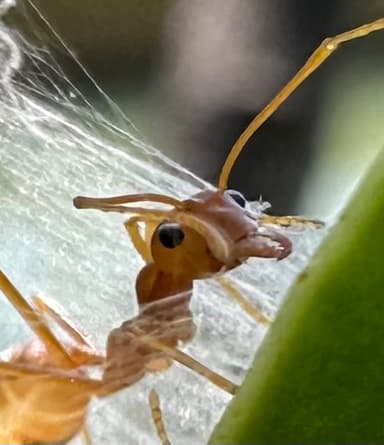
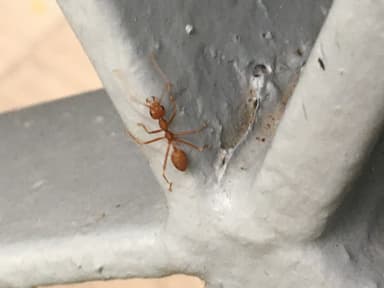
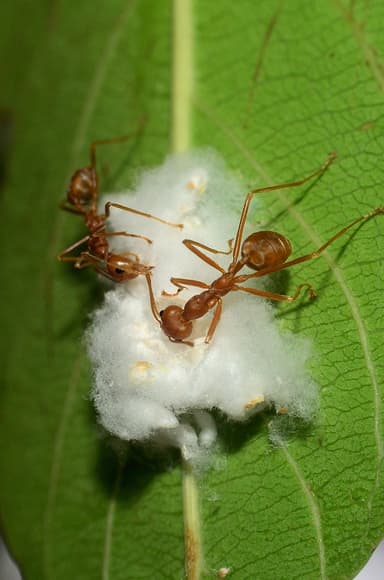
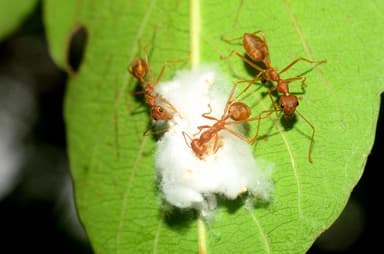
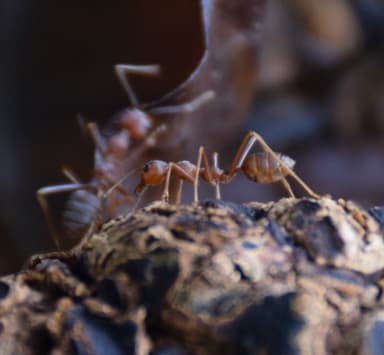
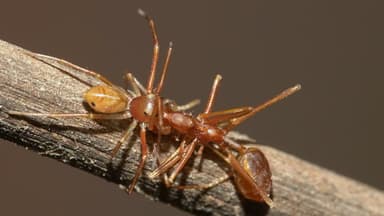
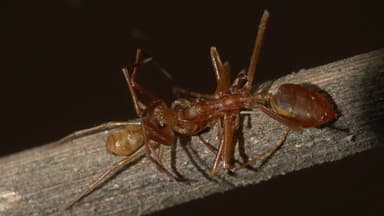
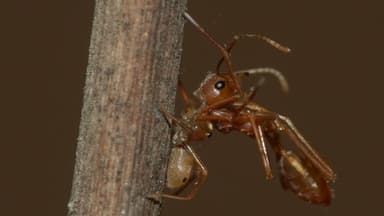
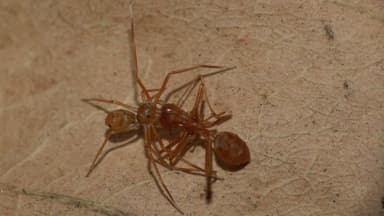
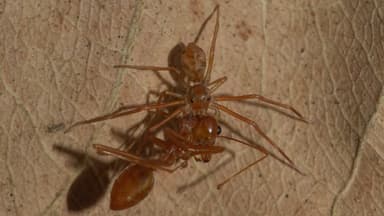
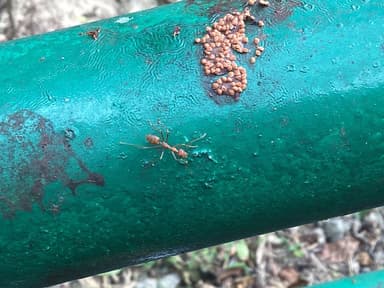
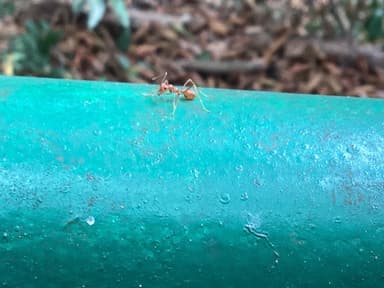
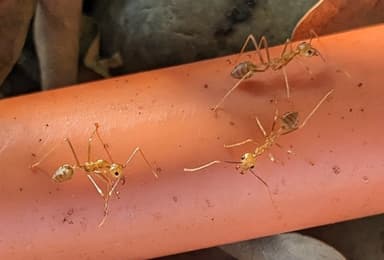
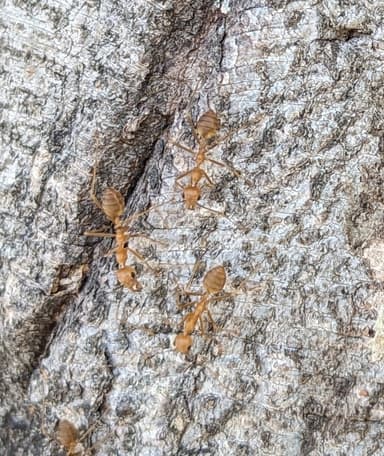
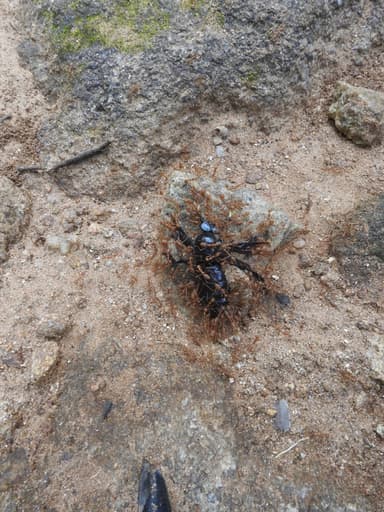
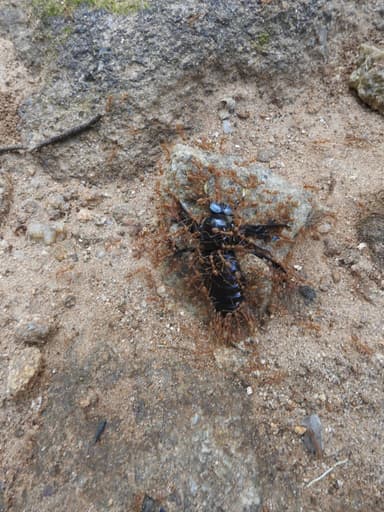
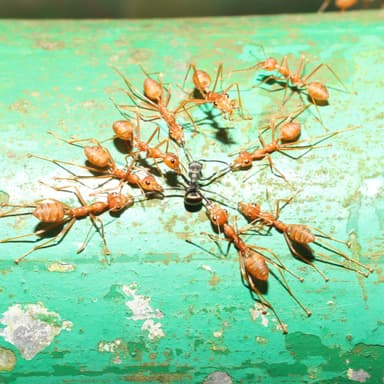
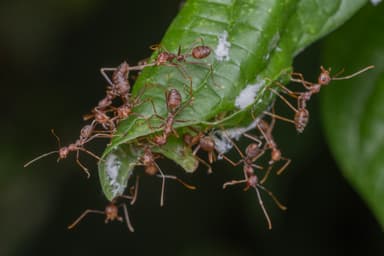
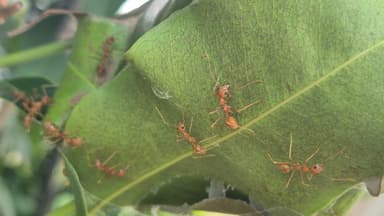
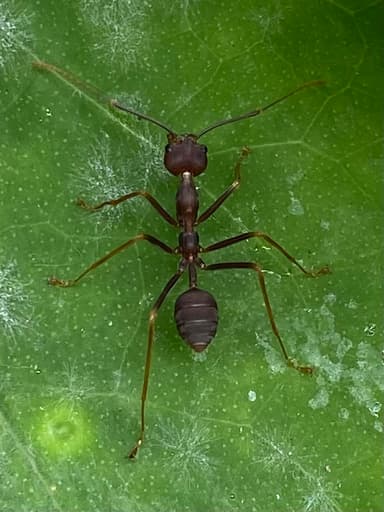
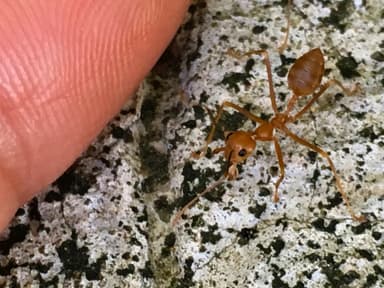
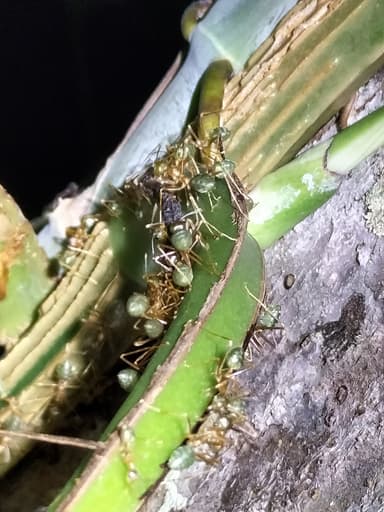
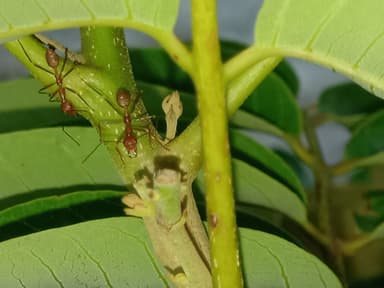
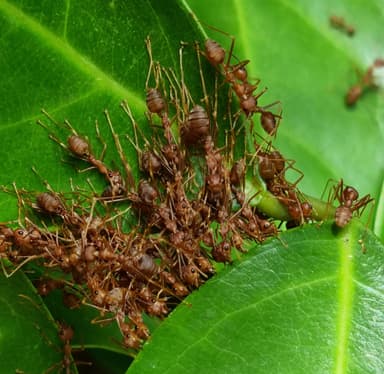
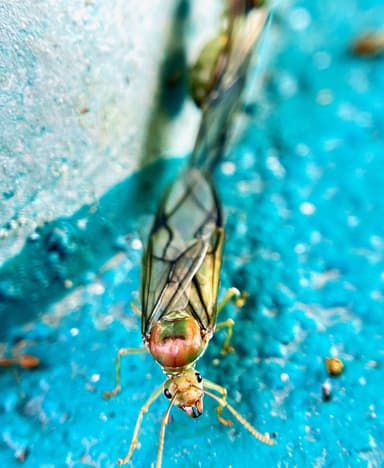
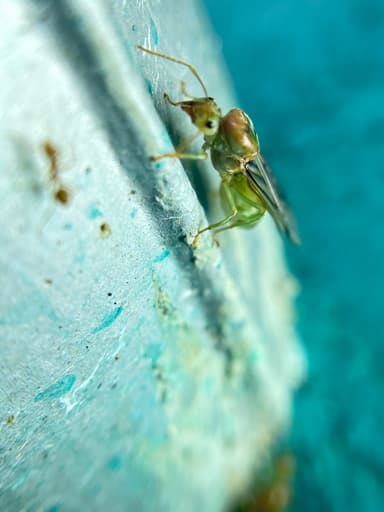
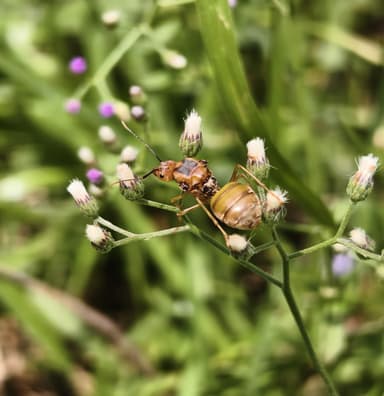
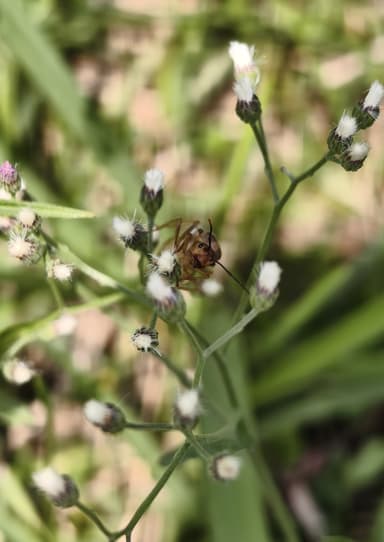
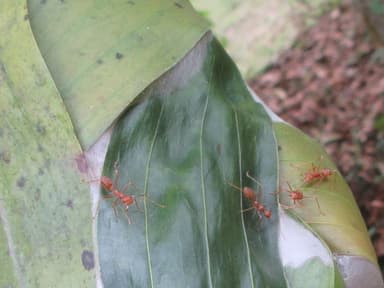
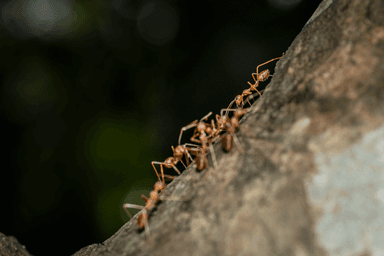
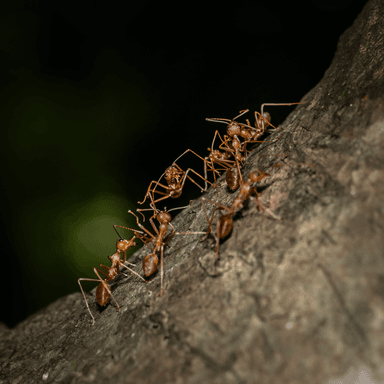
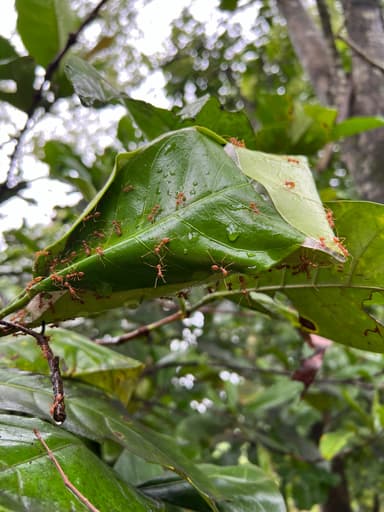
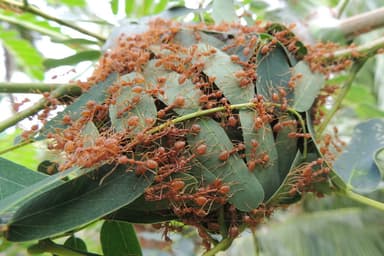
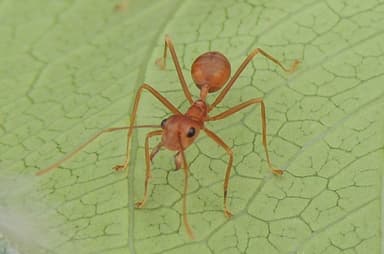
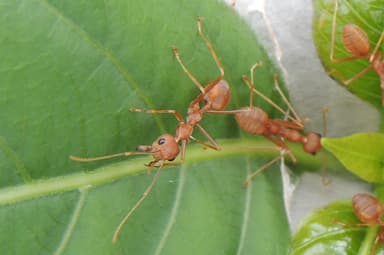
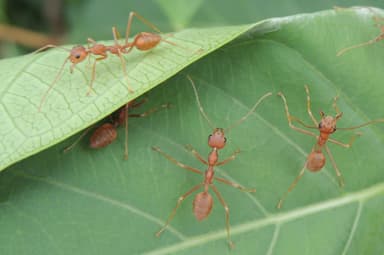
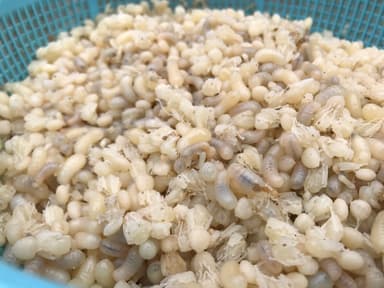
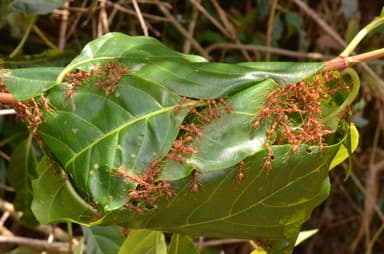
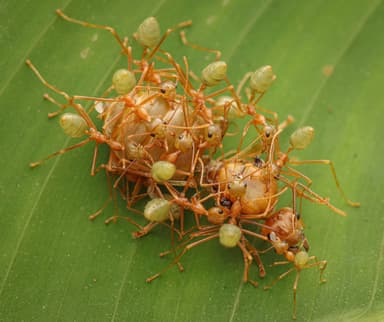
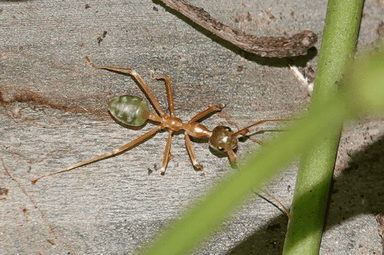
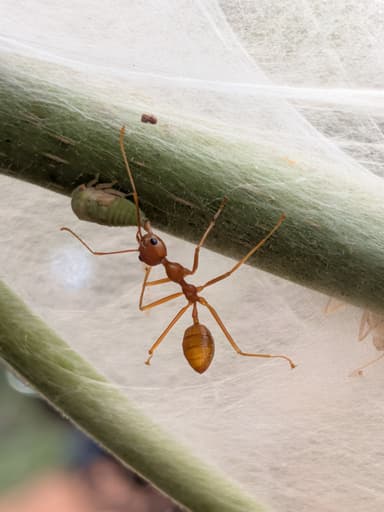
The Asian weaver ant, Oecophylla smaragdina, is a true marvel of the ant world, instantly recognizable by its vivid rust-red to emerald-green body and its extraordinary nest-building behaviour. Queens are substantial, measuring 20 to 25 millimetres, while workers display marked polymorphism: minor workers range from just 5 millimetres, and the large, formidable majors can reach 10 millimetres. Mature colonies can explode to half a million individuals, forming sprawling arboreal empires. What truly sets this species apart is their use of larval silk to weave living leaves together into intricate nests, a cooperative feat that involves chains of workers pulling foliage into place while others shuttle silk-producing larvae back and forth like living shuttles (Crozier et al. 2010). Their native range sweeps from India across Southeast Asia and down into northern Australia, with occurrence records spanning from 72° to 172° east and from 20° south to 28° north, always tied to tropical lowland forests and orchards. For the myrmecologist, O. smaragdina offers an unrivalled window into complex social coordination, territorial dominance, and a founding strategy that is, surprisingly, fully claustral.
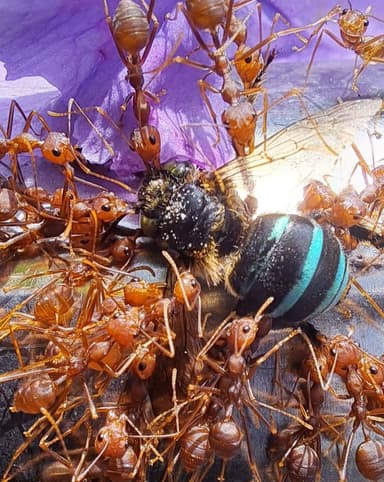
This is a species for the dedicated expert only. Their care difficulty is categorically extreme, not only because of their demanding environmental needs and escape-artist tendencies but also due to their notoriously aggressive and territorial nature. A colony of half a million weaver ants defends its domain with a powerful bite and the ability to spray formic acid, making routine maintenance a delicate operation. In many tropical regions, they are prized as natural biocontrol agents in fruit orchards, a testament to their voracious predatory instincts. A keeper must be thoroughly comfortable managing large, fast-moving, and highly defensive ants that can rapidly exploit any weakness in a setup. If you have not already mastered several intermediate genera that require stable high-humidity environments, this is not your next step. For those with the requisite experience, however, the colony’s intricate leaf-weaving, complex caste-based division of labour, and sheer spectacle of a bustling arboreal metropolis are deeply rewarding.
Housing must faithfully replicate the warm, humid arboreal niche these ants occupy. Celsius temperatures should be held between 24 and 32 degrees, emulating the tropical heat of their natural range; a thermal gradient is beneficial, allowing the ants to brood-up in the warmest zones. Humidity is equally critical, never falling below 60 percent and ideally maintained between 70 and 80 percent relative humidity to prevent colony decline. Because these ants are strict arboreal weavers, traditional soil or plaster nests are unsuitable. The enclosure should be a tall, well-ventilated vivarium or specialized formicarium furnished with broad, smooth-leaved live plants (Ficus benjamina is a classic choice) or artificial foliage that workers can pull together and bind with larval silk. A secure, fine-mesh or tight-fitting lid lined with a fluon or PTFE barrier is mandatory; these ants are master escape artists. A shallow water source, such as a test-tube waterer or a small dish filled with cotton, ensures drinking access without drowning risk, while a light daily misting helps sustain the essential humidity.
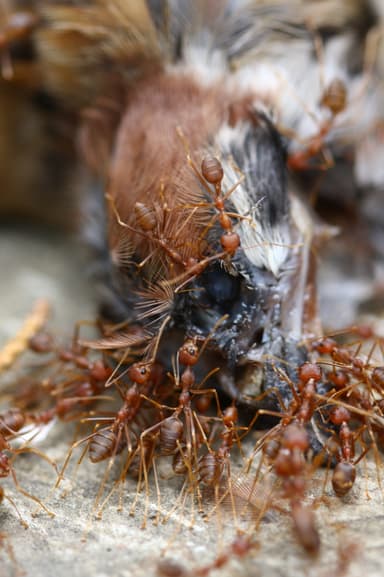
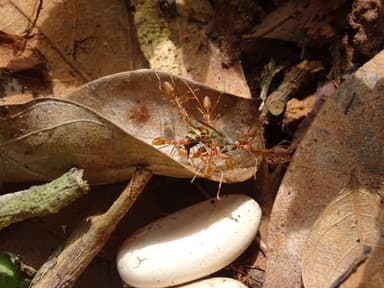
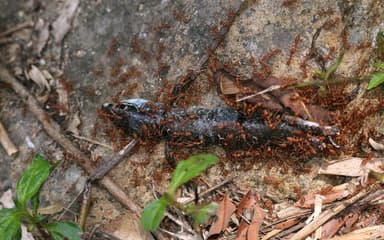
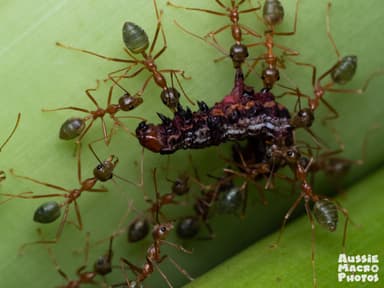
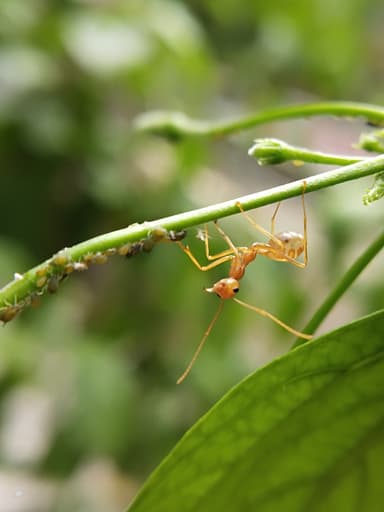
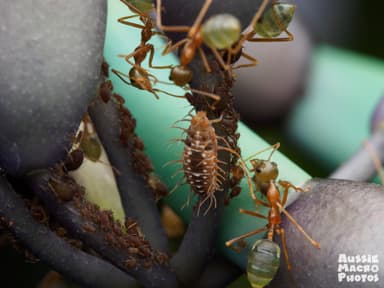
Diet must be robust to fuel both the colony’s immense energy demands and the silk production of their larvae. Offer a steady supply of live insect protein—wingless fruit flies, small crickets, roach nymphs, and mealworms are all taken with relentless enthusiasm. Major workers dismember larger prey, while minors clean up the smaller remains. In the wild, they also tend homopterans for honeydew, so carbohydrates are vital. Provide a clean source of sugars in the form of dilute honey, sugar water, or a commercial ant nectar mix, presented on a small feeding platform or absorbed onto a cotton ball to prevent drowning. Fresh water must always be available. Feed protein two to three times per week and replenish carbohydrates daily for a growing colony, promptly removing any uneaten food to prevent mould in the high-humidity environment. Scientific observations note their role as formidable predators (Hölldobler & Wilson 1990), so never underestimate their appetite; a large colony can consume dozens of crickets in a day.
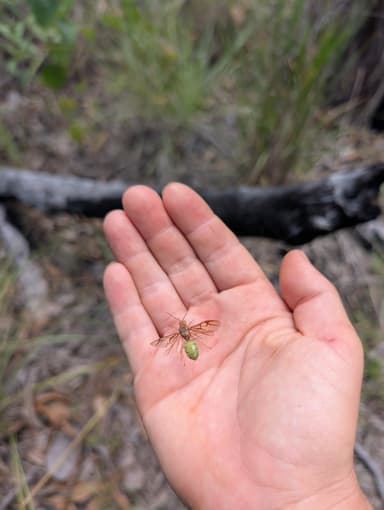
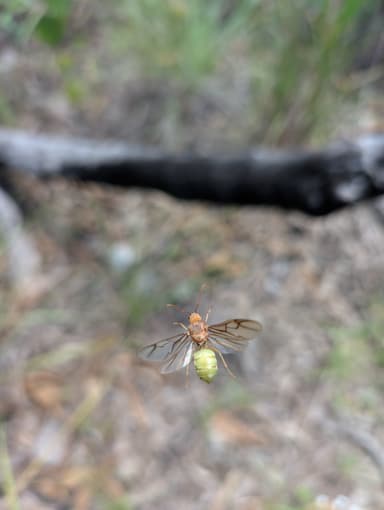
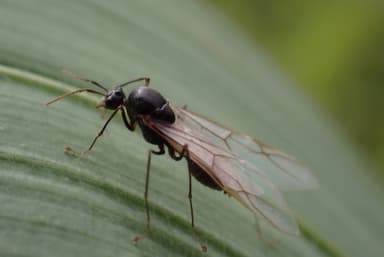
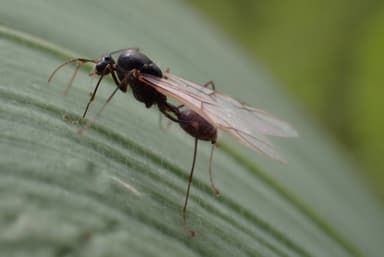
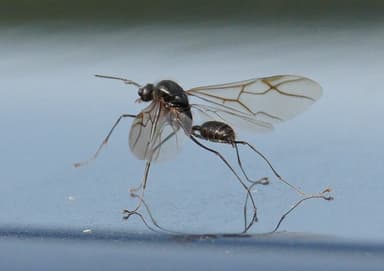
Oecophylla smaragdina does not hibernate. There is no dormancy period programmed into their tropical life cycle, so the temperature and humidity ranges described must be maintained consistently all year. Any significant drop in temperature will cause chilling injury and rapid colony collapse. The nuptial flights in their native Asian range occur from October to December, while in northern Australia they stretch from November into January, triggered by warm, humid conditions following monsoon rains and typically taking place in the afternoon. In captivity, this continuous activity cycle means the keeper’s workload is steady; there is no winter rest period to ease maintenance. Lighting should follow a natural tropical photoperiod of roughly twelve hours, easily achieved with a timer-controlled LED fixture that also provides a gentle daytime heat boost.
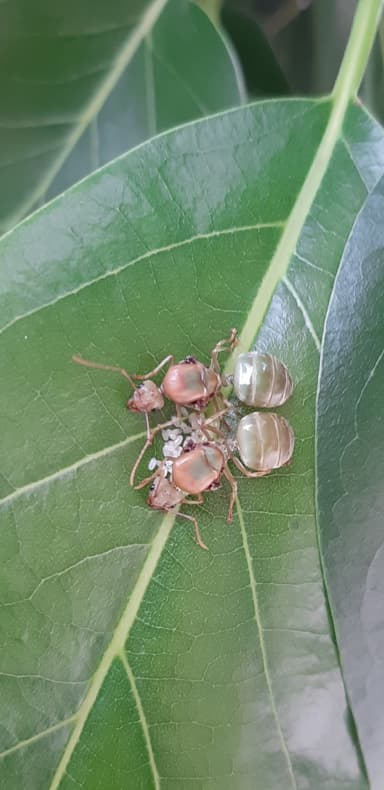
When your queen and her first tiny cohort of workers arrive, the settling-in period demands absolute stillness. Place the test-tube or small founding chamber in the prepared arboreal setup but shield it from strong light and vibration for the first 48 hours. Do not attempt to feed immediately; a freshly mated claustral queen will have sufficient reserves. After two days, offer a minute drop of sugar water on a thin piece of foil near the tube entrance. If the workers emerge and drink, you can introduce a freshly killed fruit fly or pinhead cricket the following day. Watch for telltale signs of stress: workers pacing restlessly, the queen abandoning the tube, or failure to settle into egg-laying. These early behaviours signal that the microenvironment isn’t quite right—most often because humidity is too low. Resist the temptation to interfere; instead adjust conditions remotely (increase misting frequency, check temperature) and allow the colony to discover its new living foliage. Within a week, you should see workers beginning tentative exploration of nearby leaves, and with the arrival of the first larval brood, the colony’s famous weaving behaviour will slowly unfold, marking the true beginning of your life with this masterpiece of evolution.