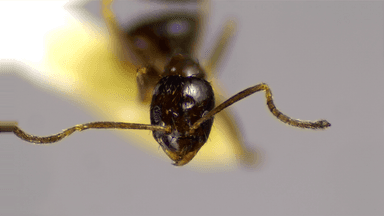
Nylanderia
Nylanderia parvula
Nuptial Flight Calendar
Flight months: May, Jun, Jul, Aug
Care Guide
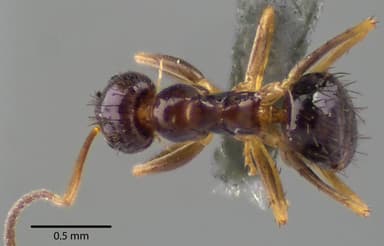
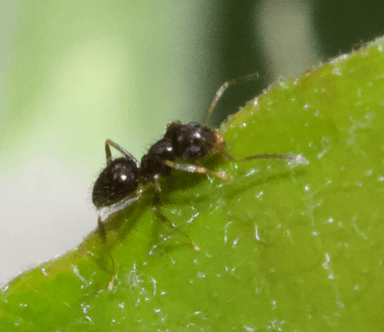
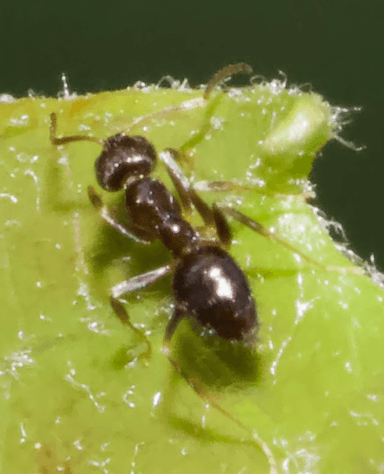
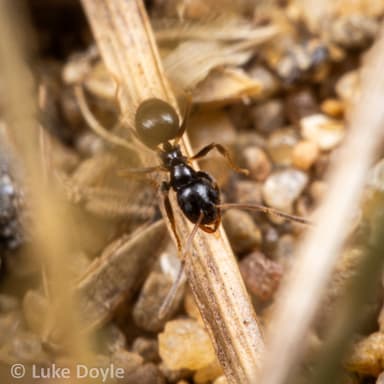
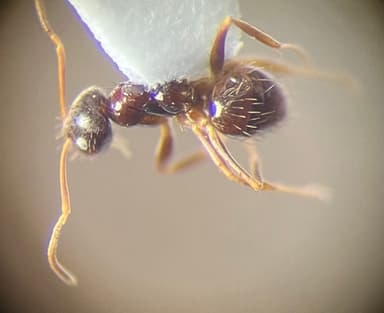
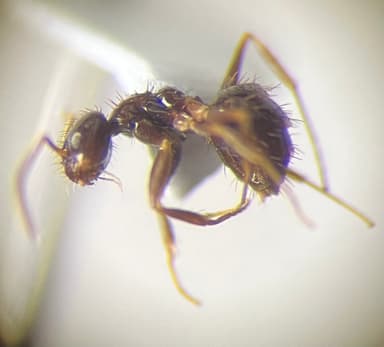
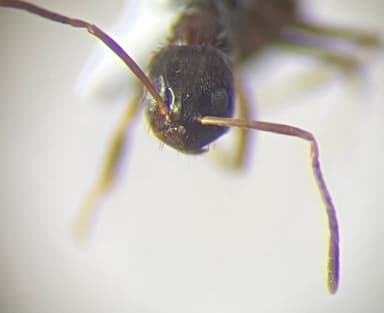
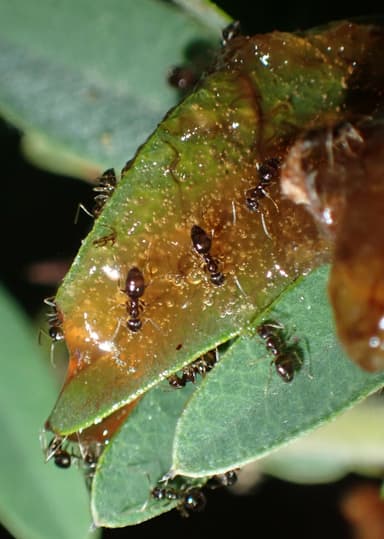
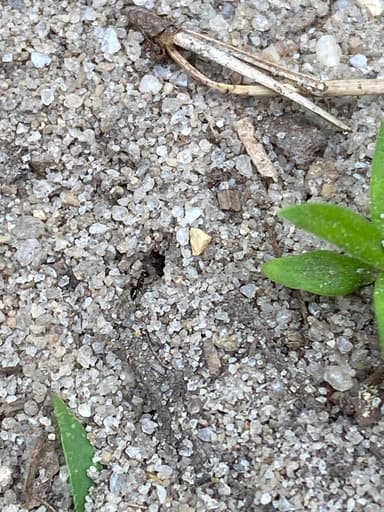
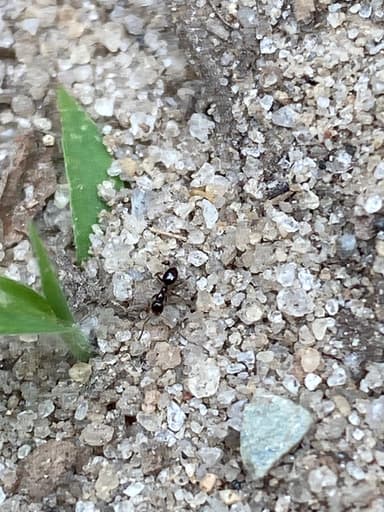
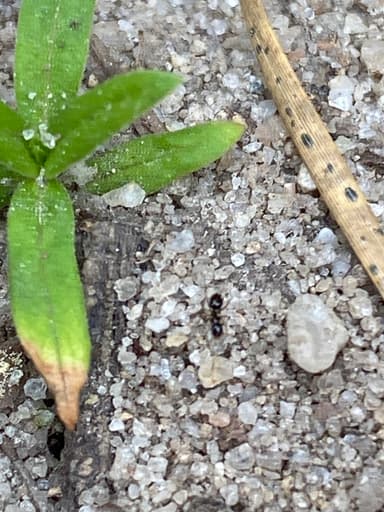
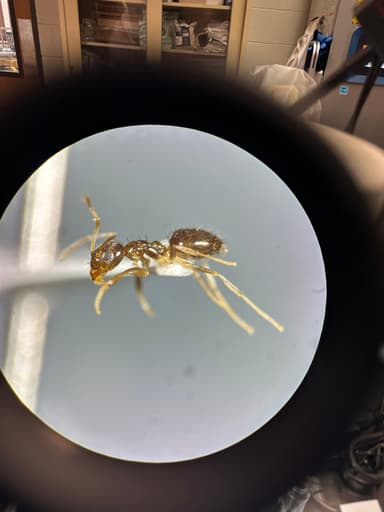
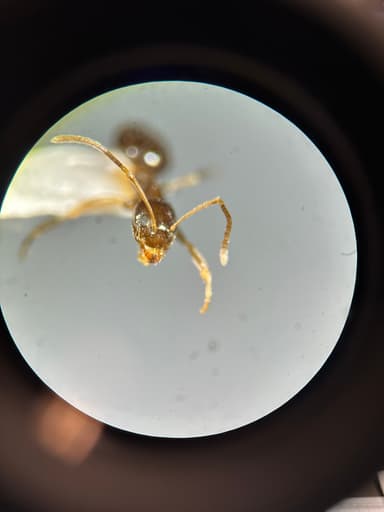
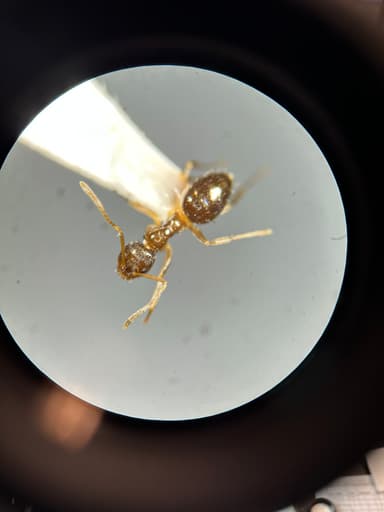
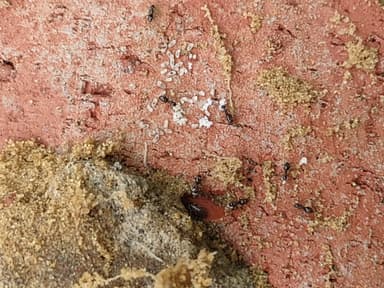
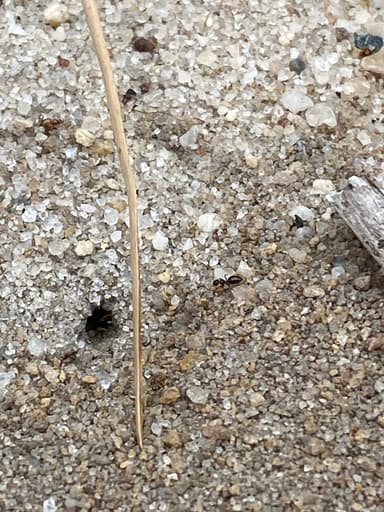
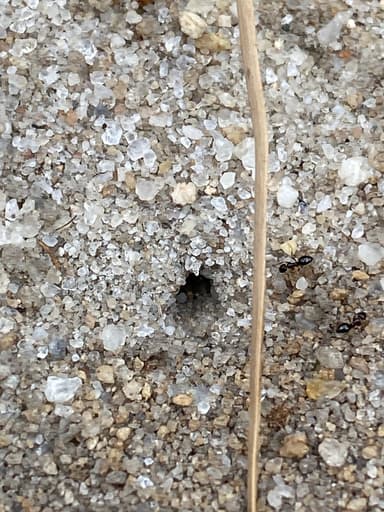
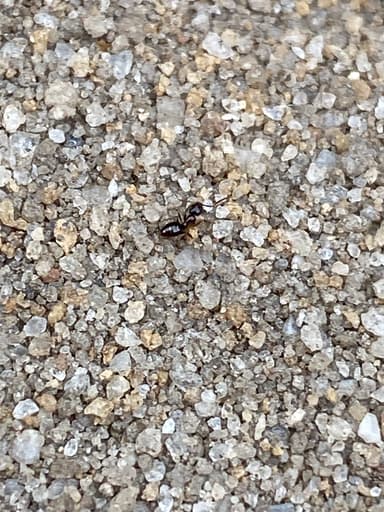
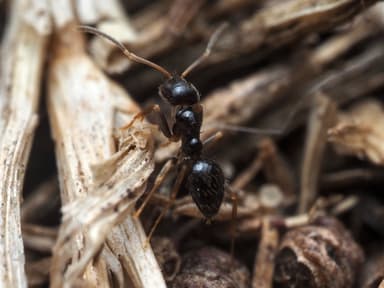
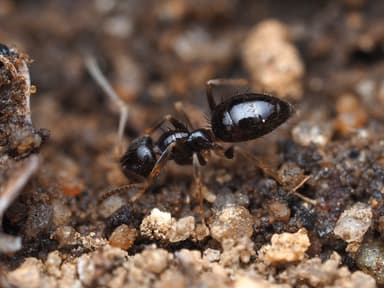
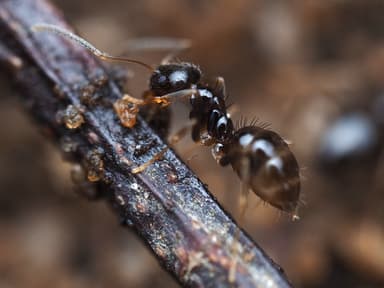
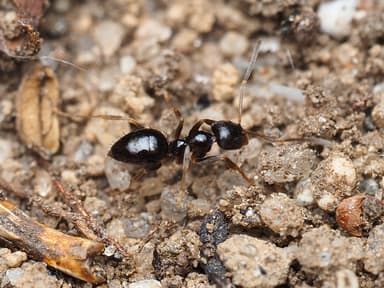
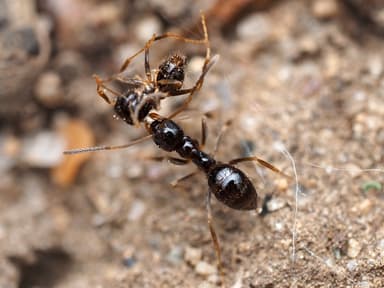
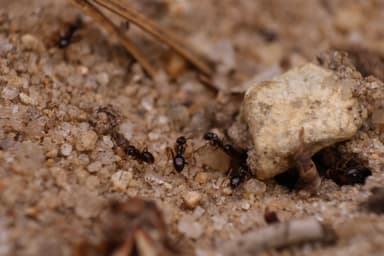
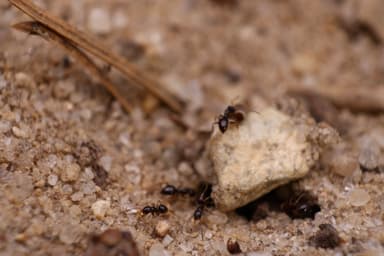
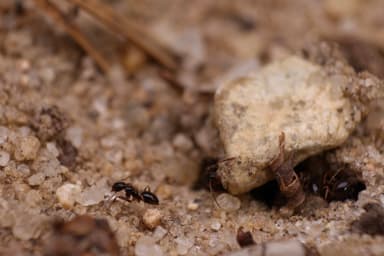
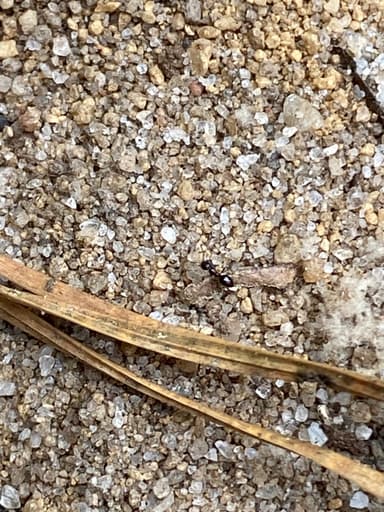
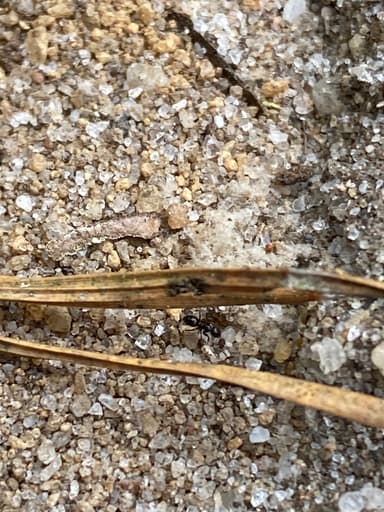
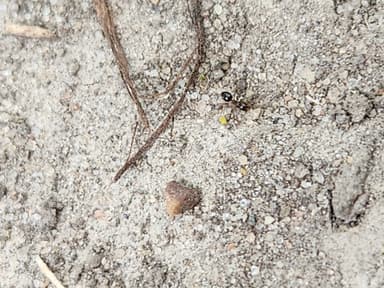
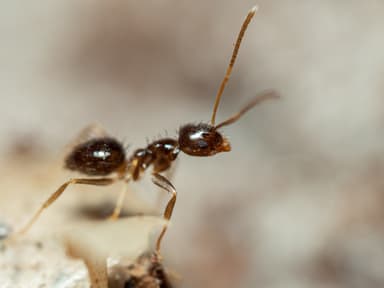
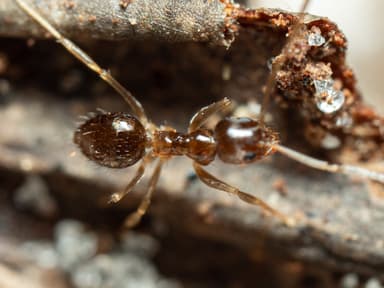
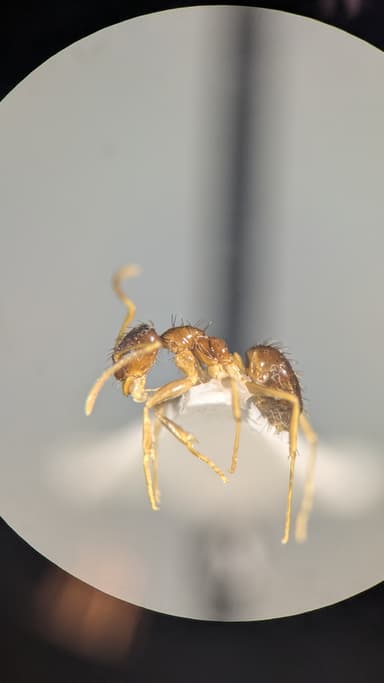
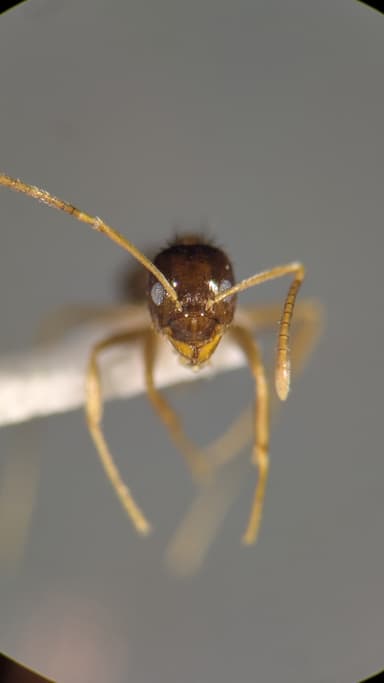
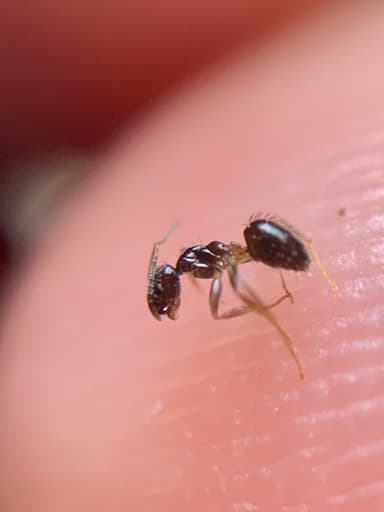
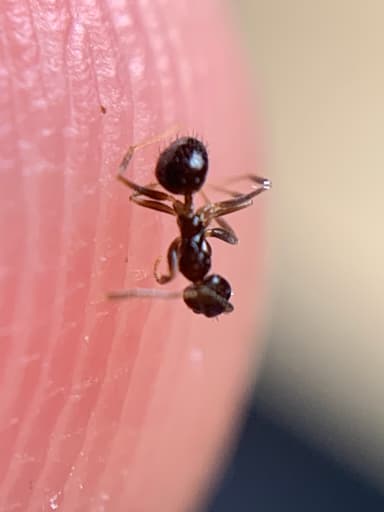
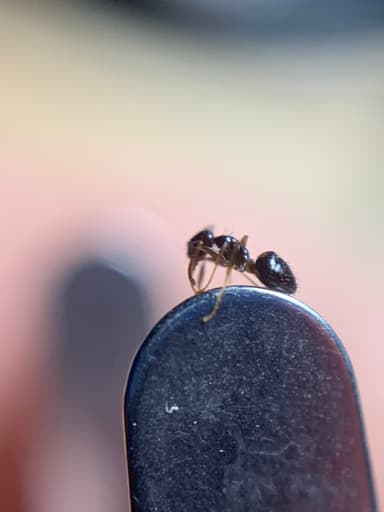
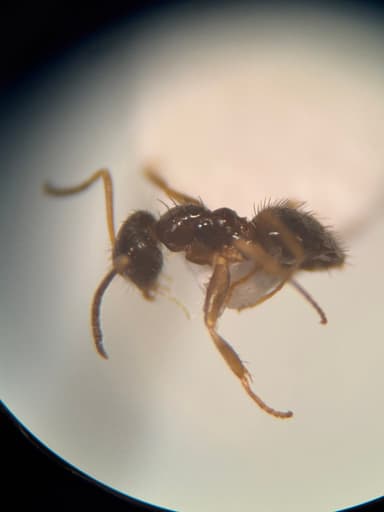
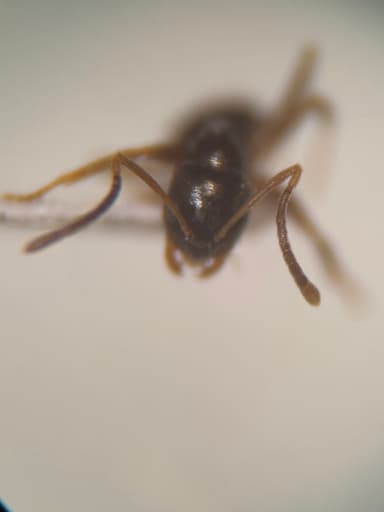
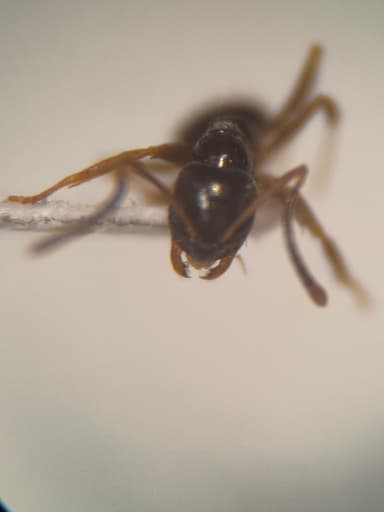
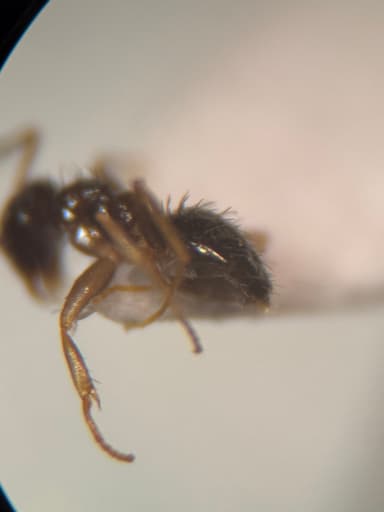
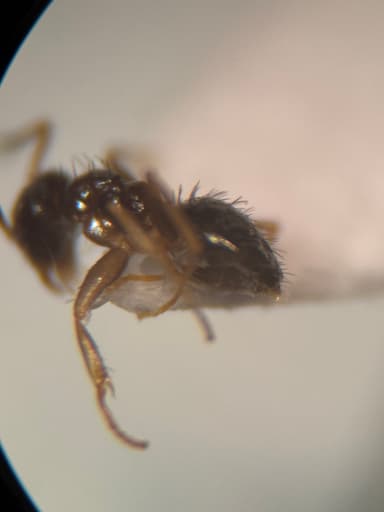
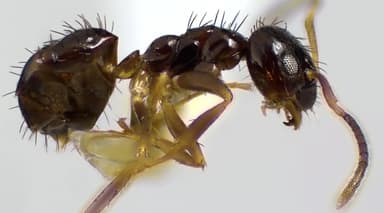
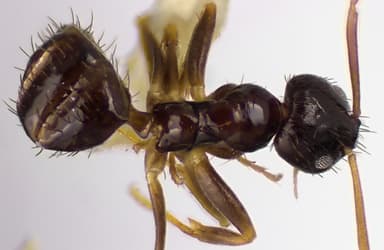
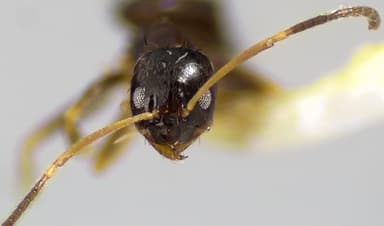
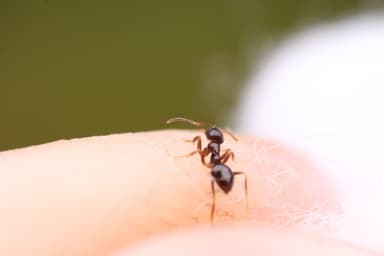
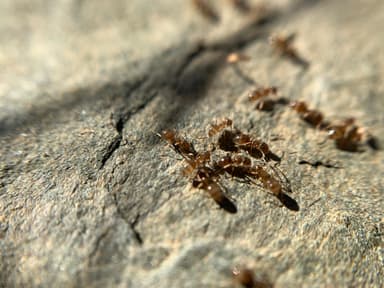
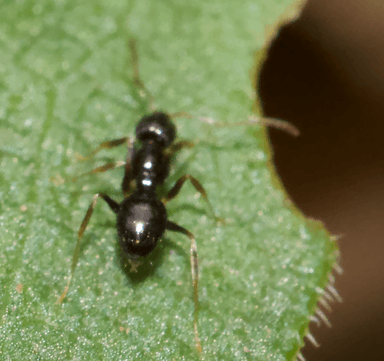
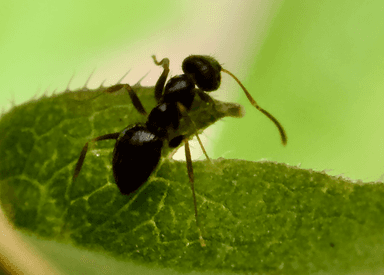
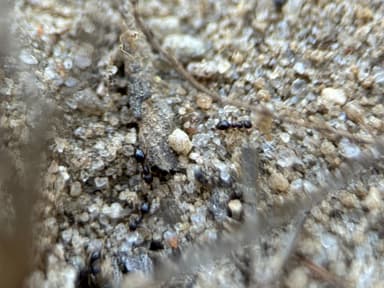
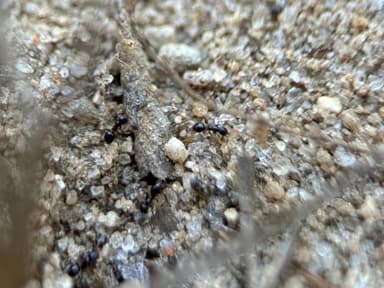
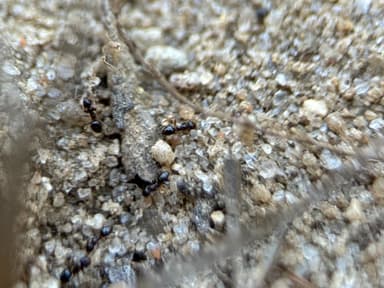
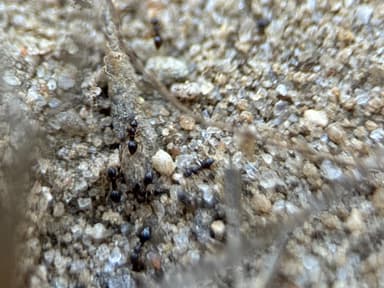
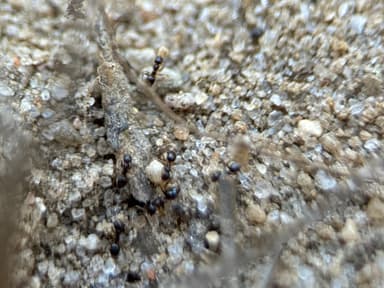
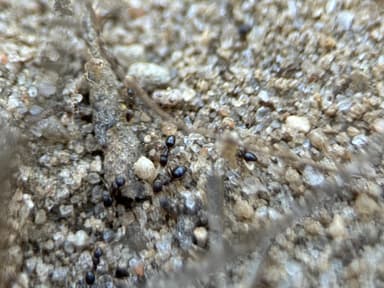
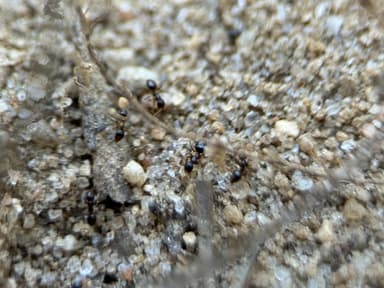
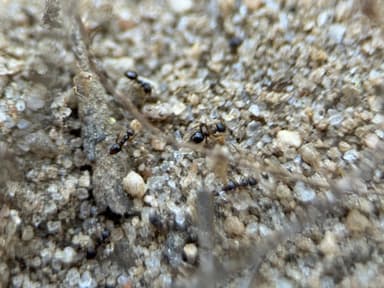
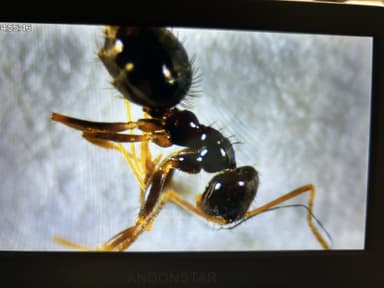
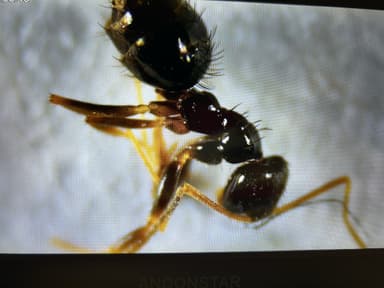
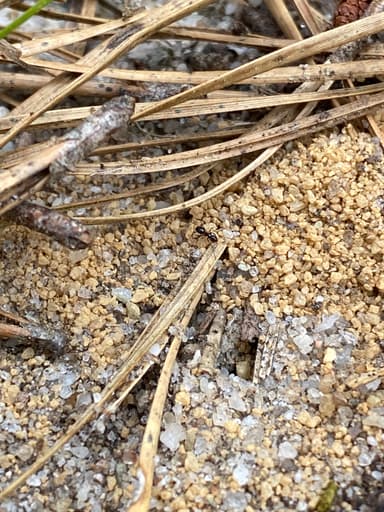
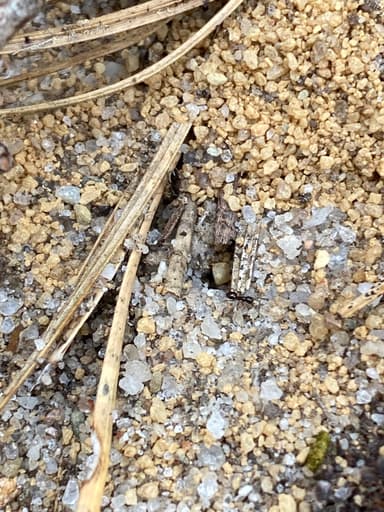
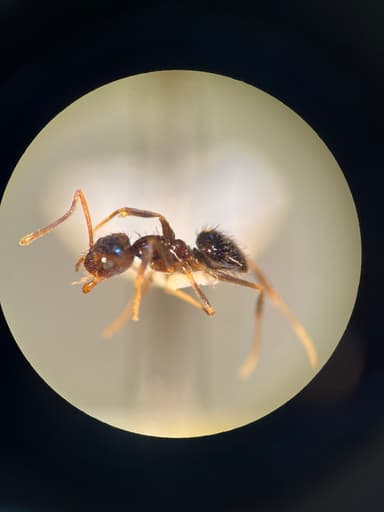
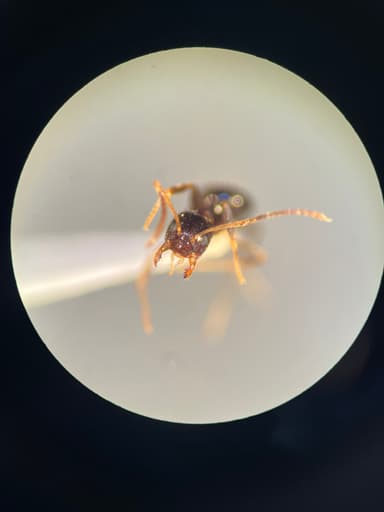
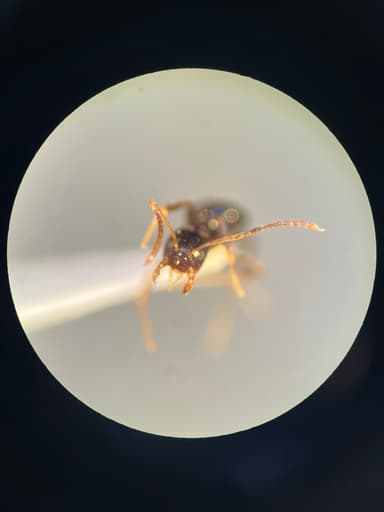
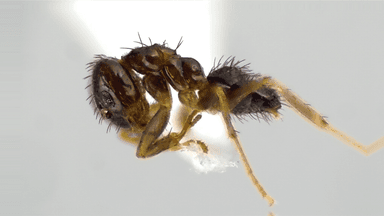
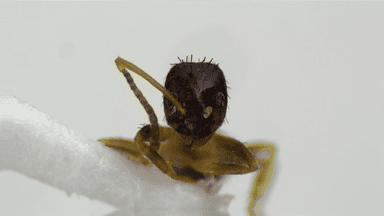
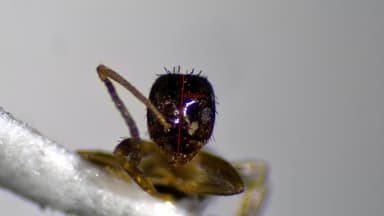
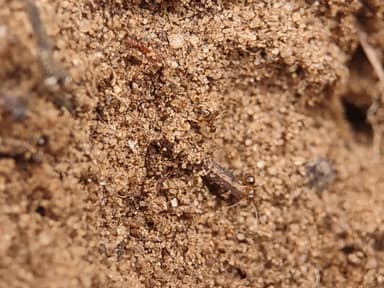
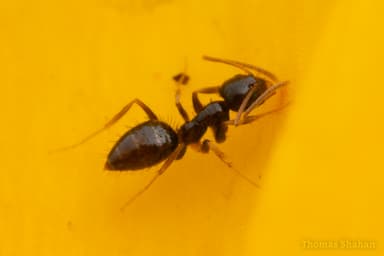
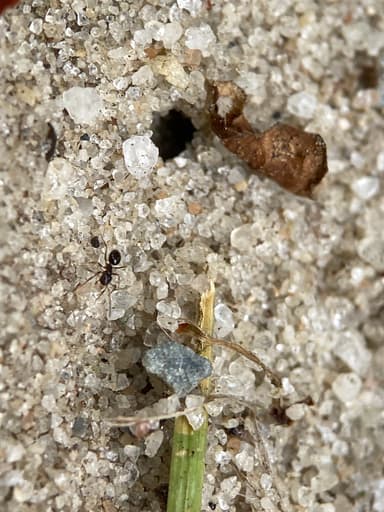
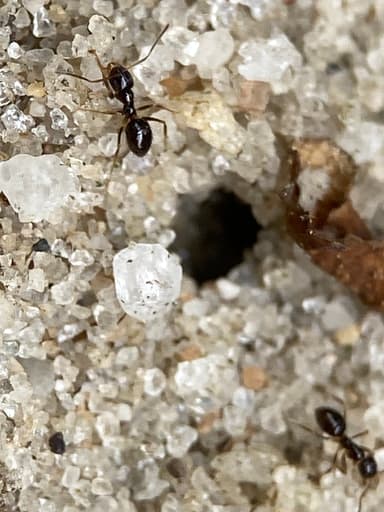
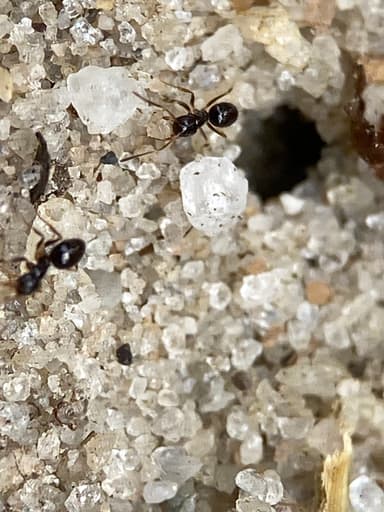
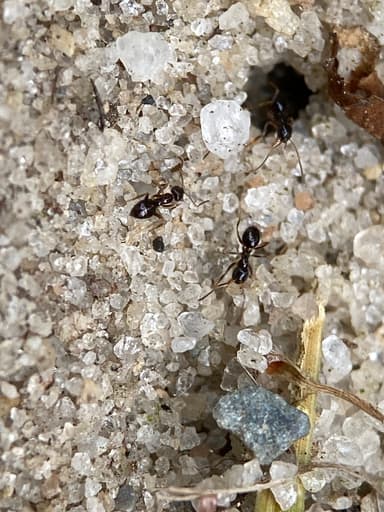
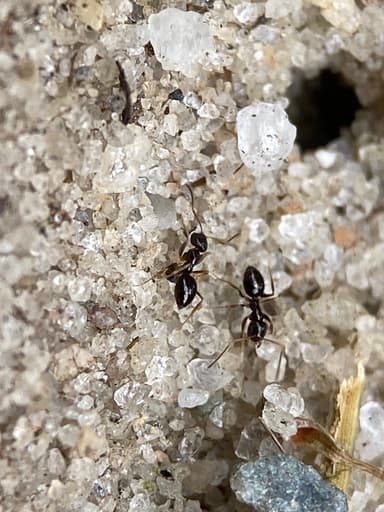
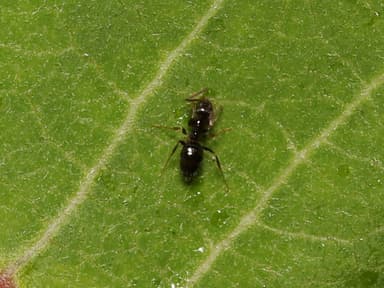
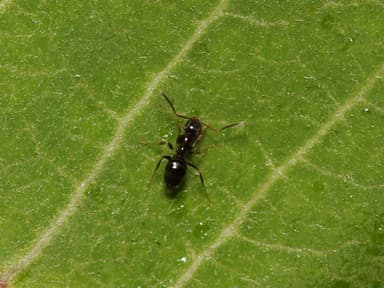
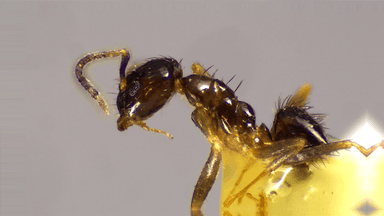
Nylanderia parvula is a diminutive yet captivating member of the formicine subfamily that has undergone significant taxonomic revision in recent decades. Originally placed within Paratrechina, the species was transferred to the resurrected genus Nylanderia following detailed morphological analyses (Trager 1984; Kallal & LaPolla 2012). Workers are tiny, measuring just 1.8 to 2.3 millimeters, and present a uniform, monomorphic caste of minor workers that are generally pale yellowish-brown to amber. Queens are noticeably larger, ranging from 4.5 to 5.5 millimeters. This species is native to a broad swath of the eastern United States, with a stronghold in the Southeast, although collection records indicate their range can extend as far north as Massachusetts and as far west as central Texas. What makes N. parvula particularly interesting to hobbyists is their frenetic, rapid movement and their capacity for forming modestly sized colonies of up to 3,000 workers through claustral founding. Nuptial flights, while still poorly documented with only low confidence, are presumed to occur during warm, humid afternoons in June through August after rainfall, a pattern typical of many related Nylanderia species.
The care difficulty for N. parvula is best described as intermediate, making them suitable for keepers who have already gained some experience with more forgiving ants and are ready for a species that demands attention to detail. They are not recommended for absolute beginners primarily because of their small size, extraordinary speed, and talent for exploiting even the tiniest gaps in enclosure construction. That said, they are meek ants that do not sting and rarely attempt to bite, so their defensive strategy revolves entirely around swift escape rather than confrontation. If you have previously kept fast-moving genera such as Tapinoma or smaller Formica, you will find the transition manageable. The real challenge lies in preventing escapes during feeding and maintenance, and in planning for a colony that, while not massive, will eventually require a far larger foraging area than a test tube setup can provide.
Housing must be secure above all else. These ants thrive at temperatures between 20 and 28 degrees Celsius and a moderate humidity range of 50 to 70 percent, which typically aligns well with the ambient conditions of a climate-controlled home, though occasional misting or a water-filled hydration chamber may be needed to maintain the upper end of that range. Formicaria with narrow, shallow chambers work best, as the tiny workers can become lost or fail to establish a healthy nest scent gradient in overly spacious designs. Plaster, gypsum, or ytong nests are excellent choices, especially those with a built-in hydration reservoir. The foraging area should have a substrate of fine sand or sieved coco coir to provide traction, but a bare floor with scattered hides is also acceptable. Escape-proofing is non-negotiable: employ a tight-fitting lid with ultra-fine stainless steel mesh or fabric, and apply a reliable PTFE-based barrier such as fluon to the upper edges of the outworld. Since they are photophobic, cover the nest portion with a dark cloth or red acetate to reduce stress.
As generalist scavengers, Nylanderia parvula readily accept a varied diet. Protein sources should be small and soft-bodied: flightless fruit flies, pinhead crickets, chopped mealworm segments, and freshly killed termites all work wonderfully. Offer protein two or three times a week, increasing frequency as the colony grows. For carbohydrates, provide a small droplet of sugar water, diluted honey, or a commercial ant nectar formulation on a clean tray; they will feed eagerly but can drown in large droplets, so use a micro-tip or soak it into a cotton ball. A constant supply of fresh water via a test tube or small drinking fountain is essential, especially since the nest environment must remain humid without becoming waterlogged. Crucially, this species requires a true hibernation period. In their native range, winter temperatures dip well below their active threshold, and according to observations of their northern limits (Trager 1984), a cold rest is obligatory. Reduce the temperature gradually to about 12 degrees Celsius over a few weeks in late autumn, and maintain them in a dark, cool space for three to four months. Check nest moisture every few weeks, as dehydration is a risk during diapause. Colonies denied this chilling phase often exhibit reduced brood production and queen failure the following spring.
Upon receiving your newly purchased N. parvula colony, patience is paramount. Place the shipping test tube, still sealed, in a warm, dim area around 24 to 26 degrees Celsius and allow the ants to recover undisturbed for a full 24 hours. Transport vibrations and light exposure are extremely stressful, and the queen may initially appear still or hidden among her tiny workers. After this settling period, gently uncap the tube and offer a minuscule dab of sugar water on a piece of foil or a toothpick tip, placing it just inside the tube entrance. If the workers feed immediately, you may also introduce a pre-killed, softened fruit fly. Do not attempt to move them into a larger formicarium until the colony has at least 10 to 20 workers and the test tube is becoming crowded or moldy; forcing an early move often leads to nest rejection. Instead, place the open test tube inside the foraging area and let the ants explore on their own schedule, which may take several days. Watch carefully for signs of condensation inside the tube indicating leaking water, and be prepared to offer a fresh water source if the original reservoir fails. With gentle acclimation and meticulous husbandry, Nylanderia parvula rewards the keeper with an endlessly active and fascinating display of ant life (AntWiki; AntWeb).