Messor
Messor capitatus
Nuptial Flight Calendar
Flight months: Jan, Jun, Jul, Aug, Sep, Nov, Dec
Care Guide
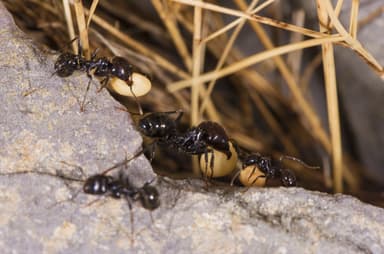
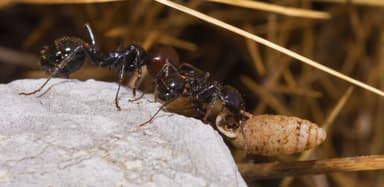
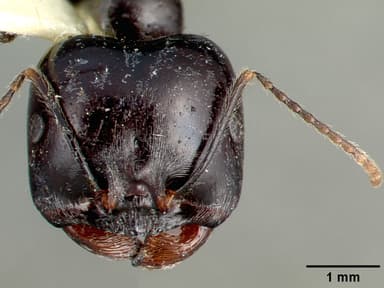
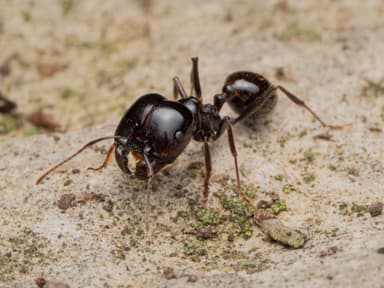
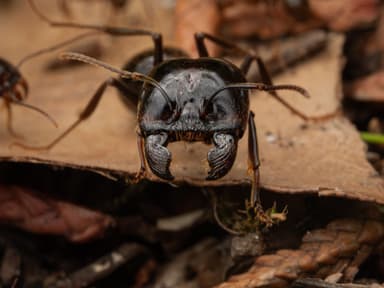
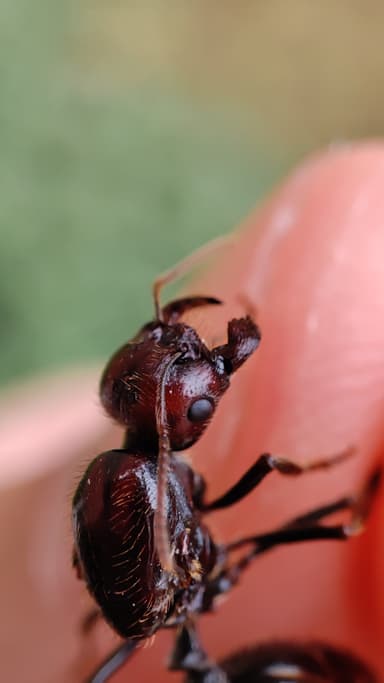
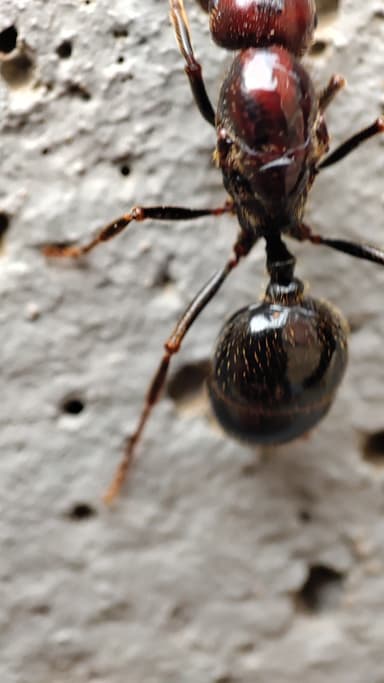
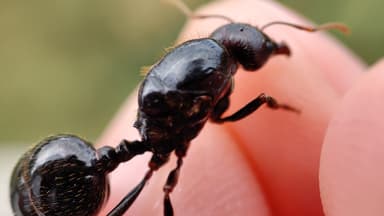
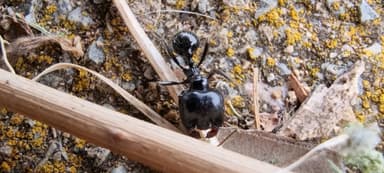
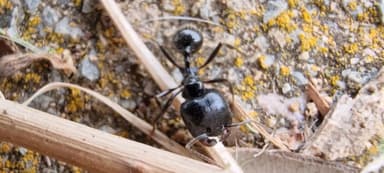
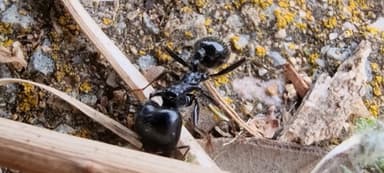
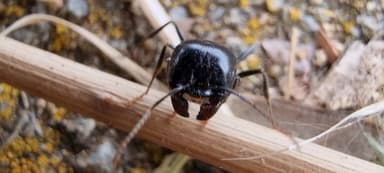
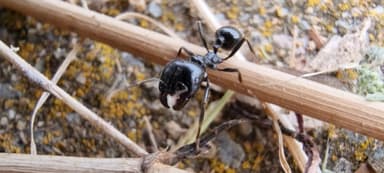
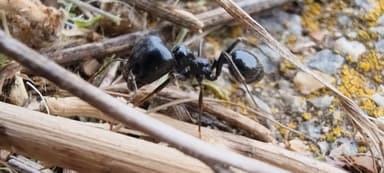
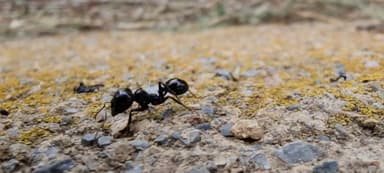
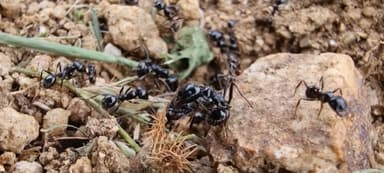
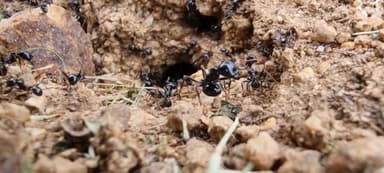
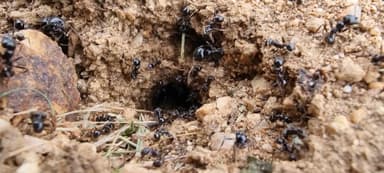
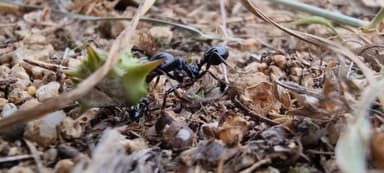
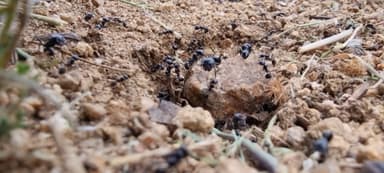
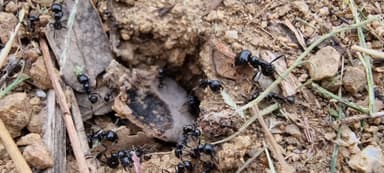
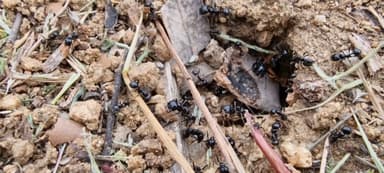
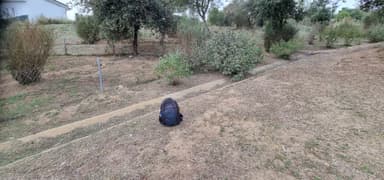
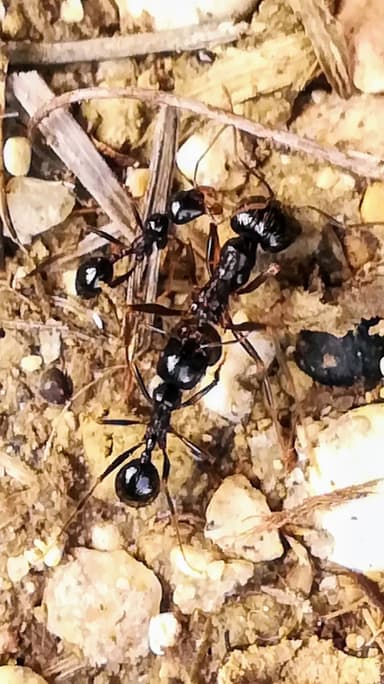
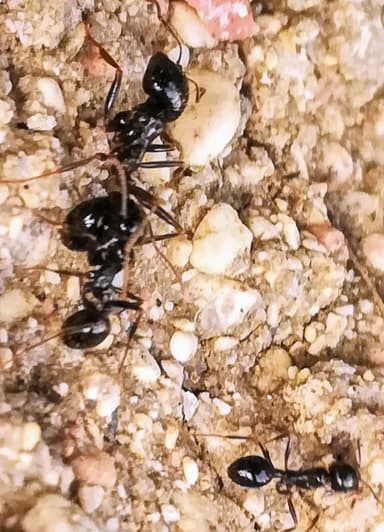
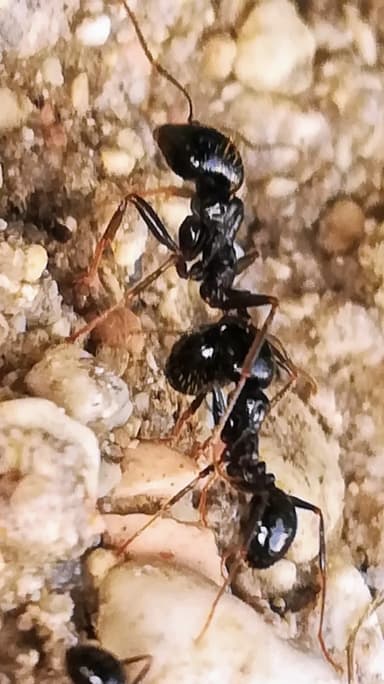
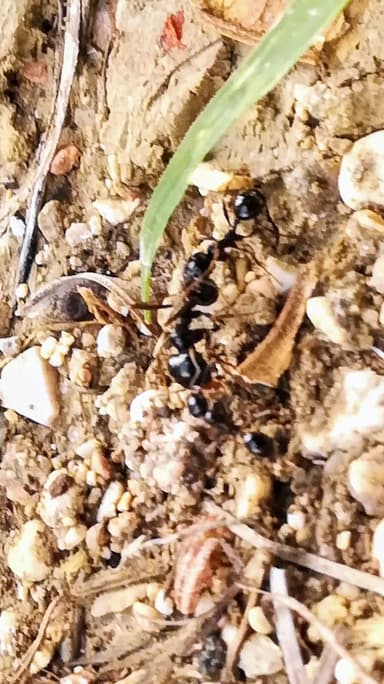
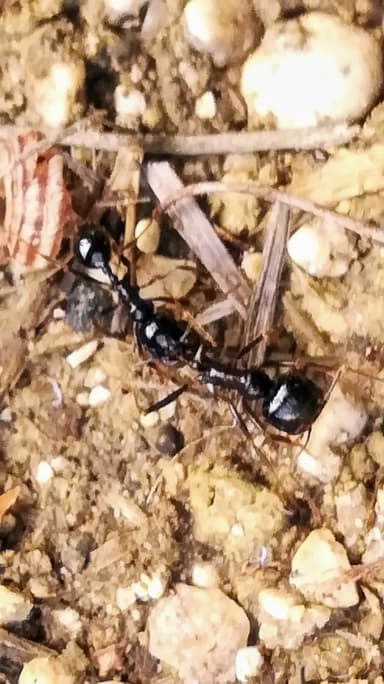
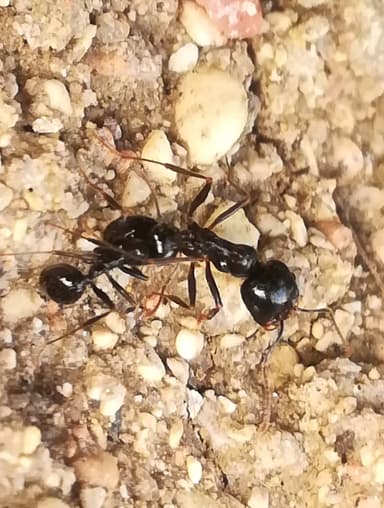
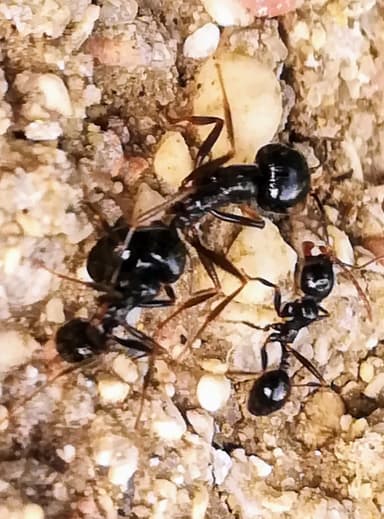
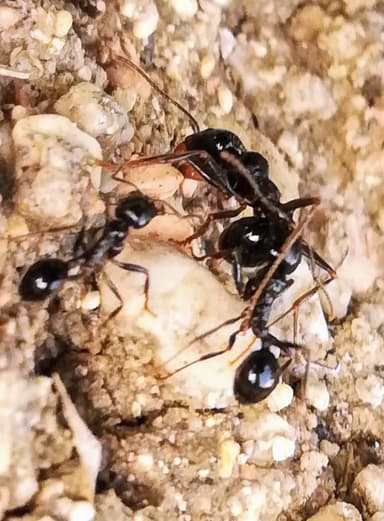
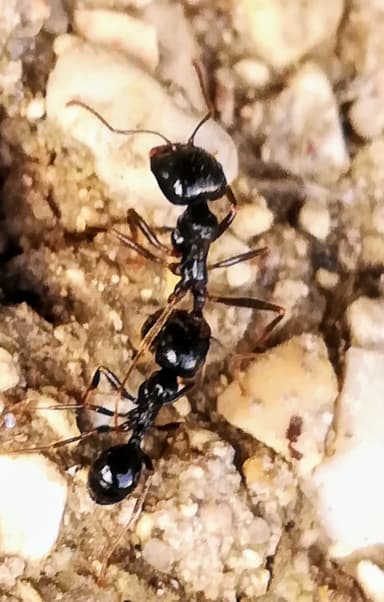
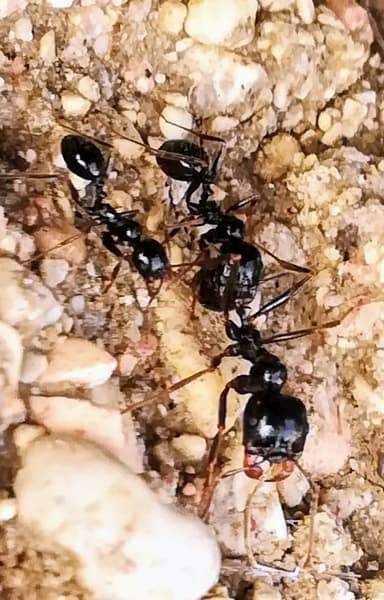
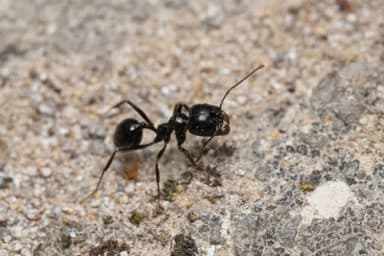
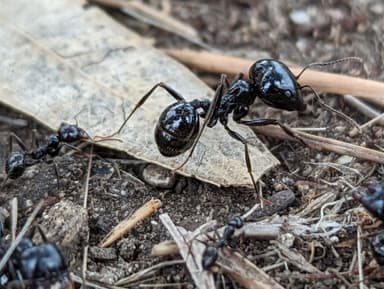
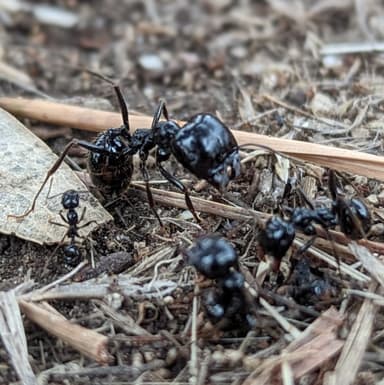
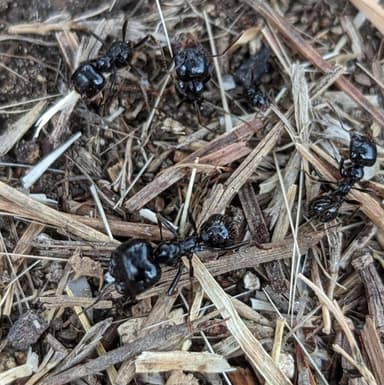
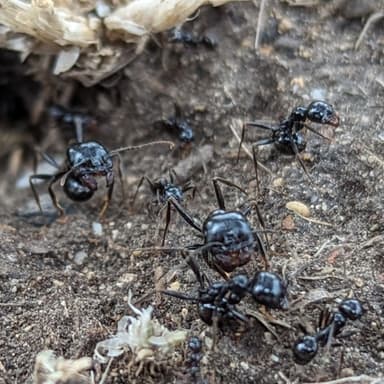
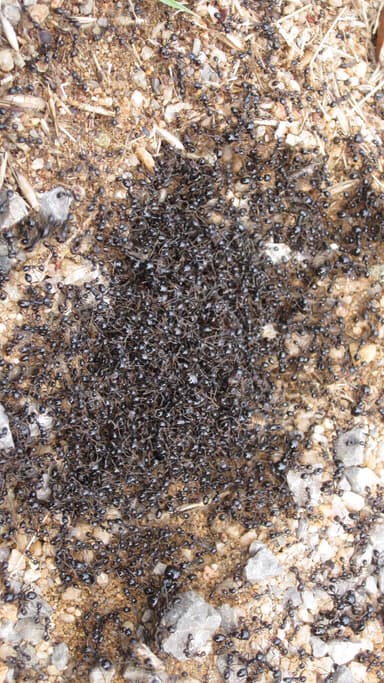
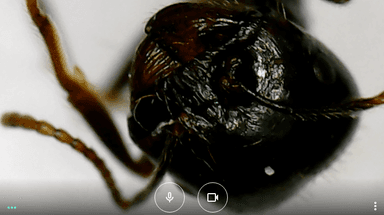
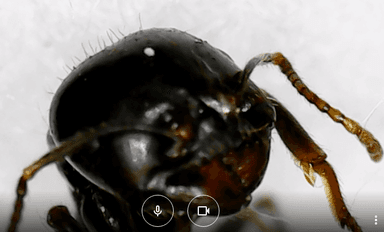
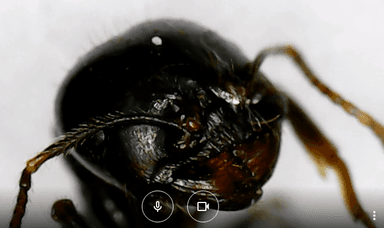
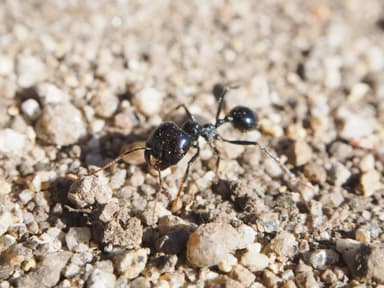
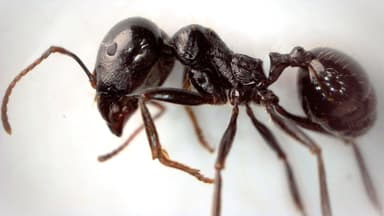
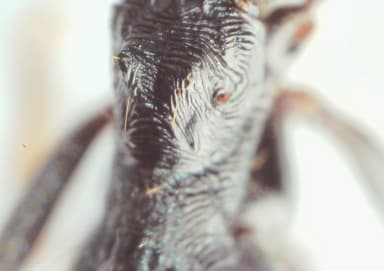
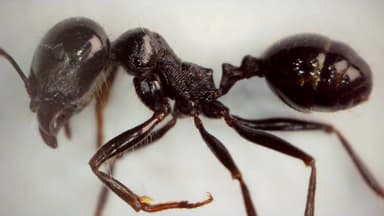
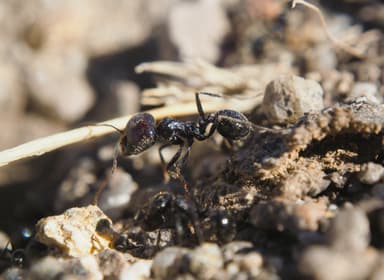
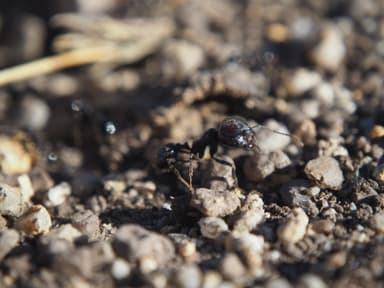
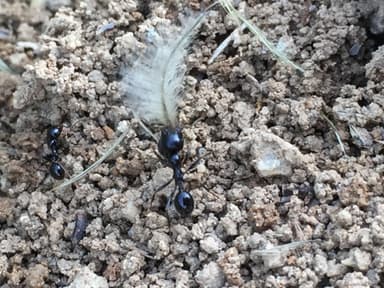
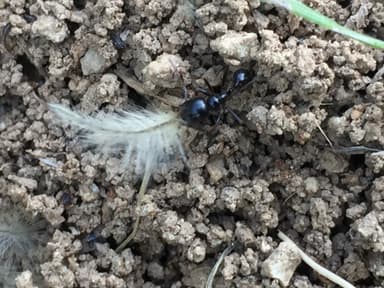
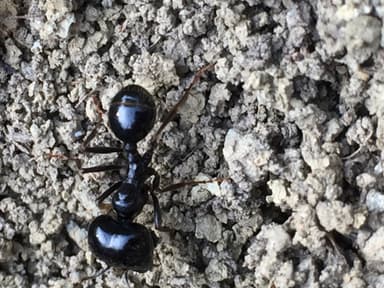
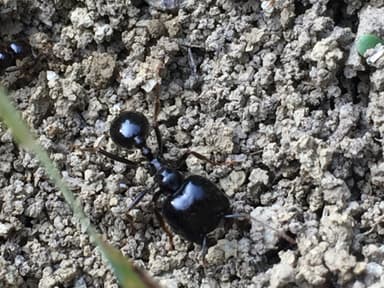
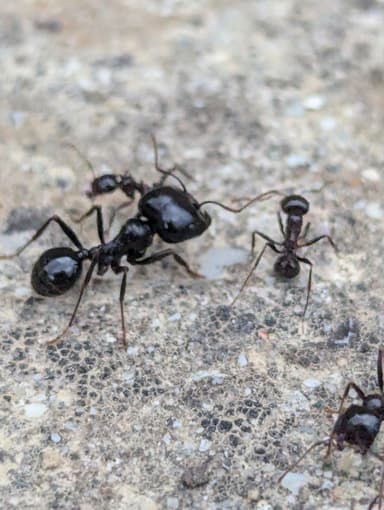
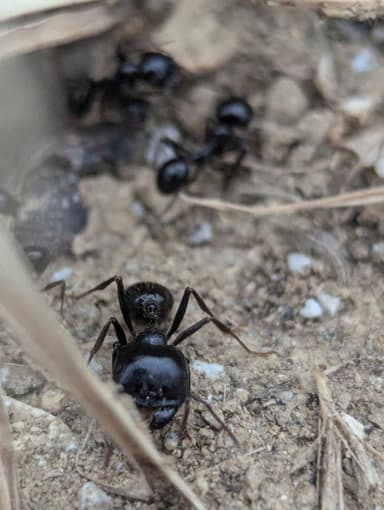
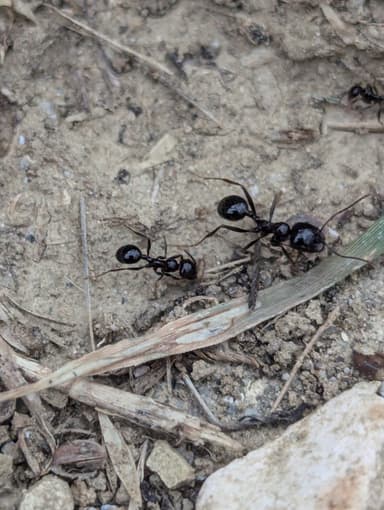
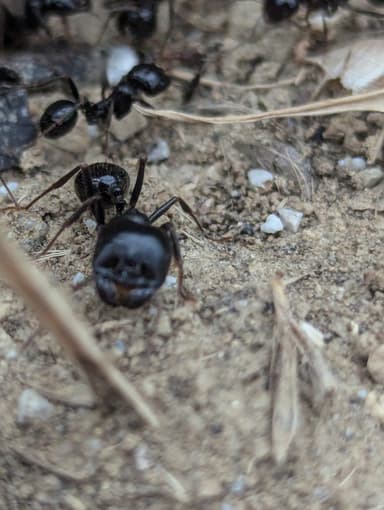
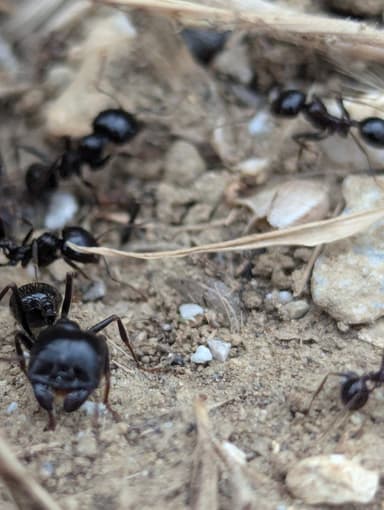
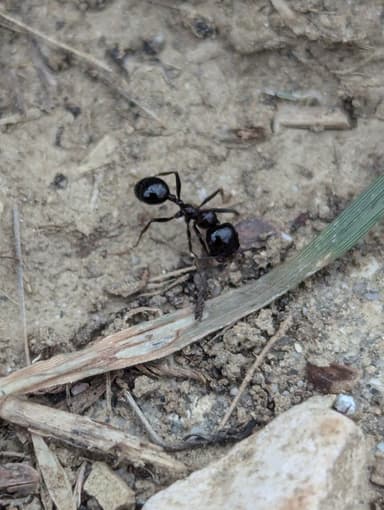
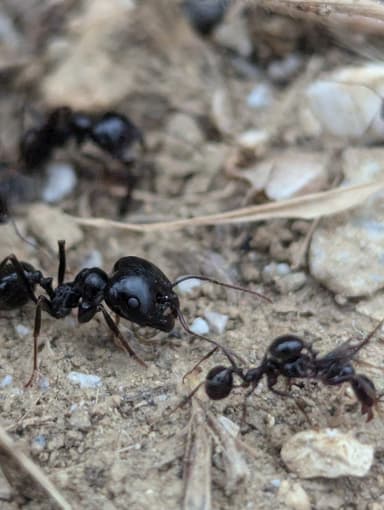
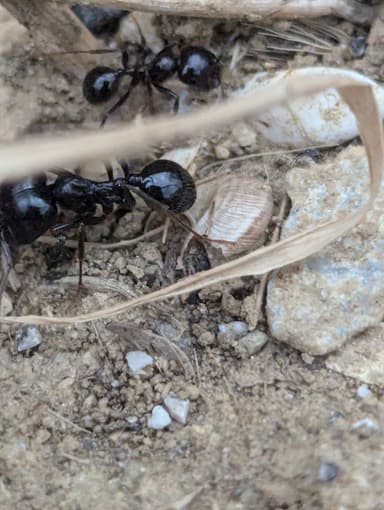
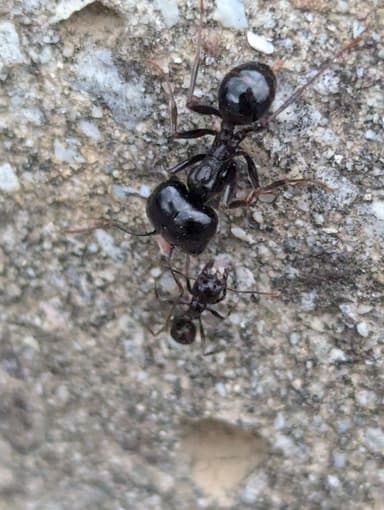
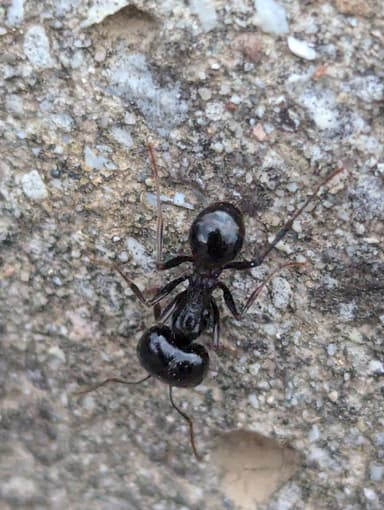
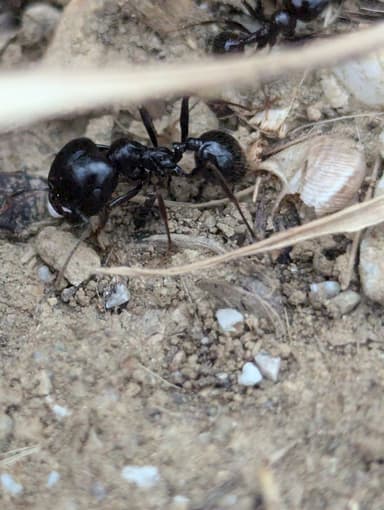
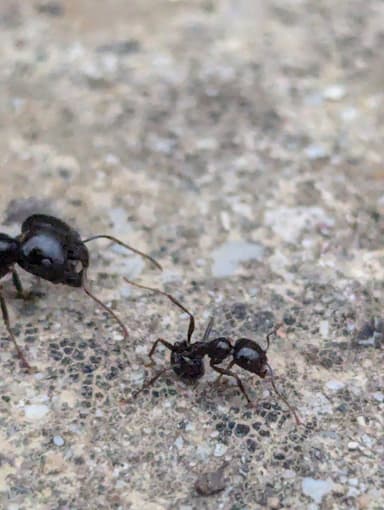
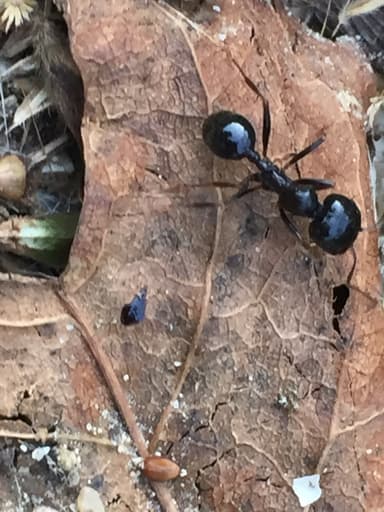
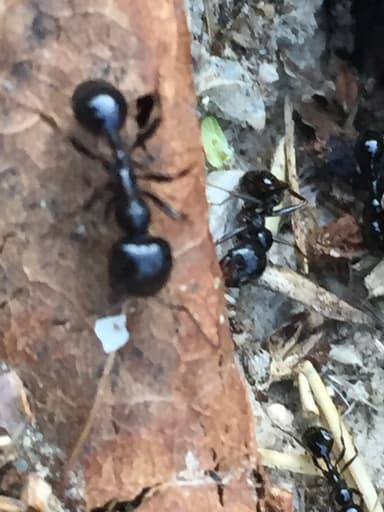
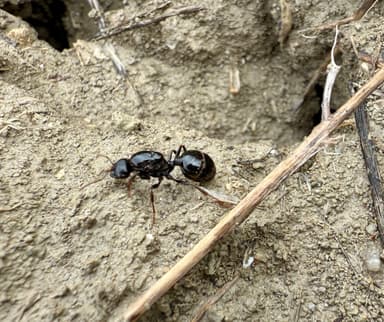
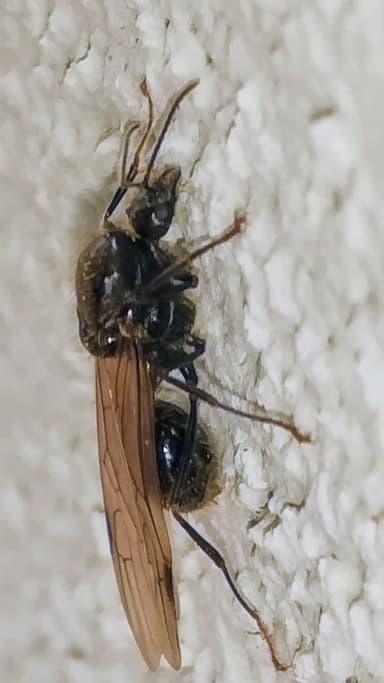
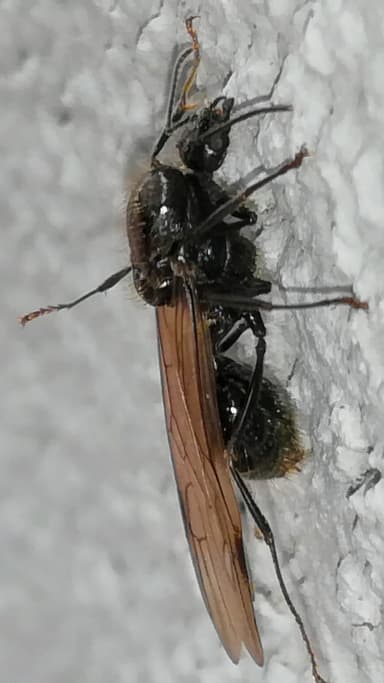
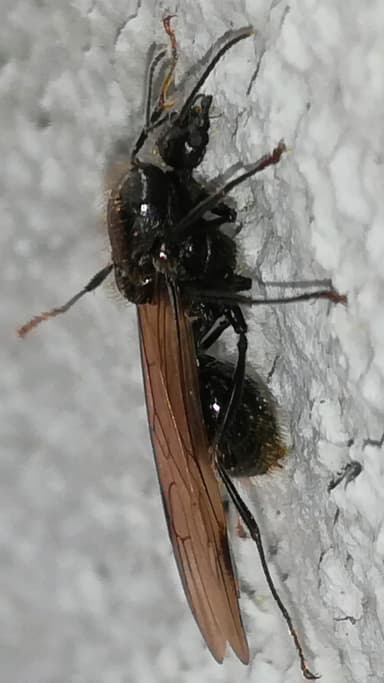
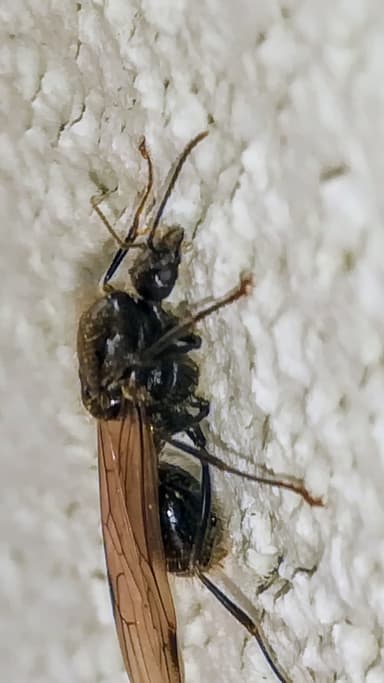
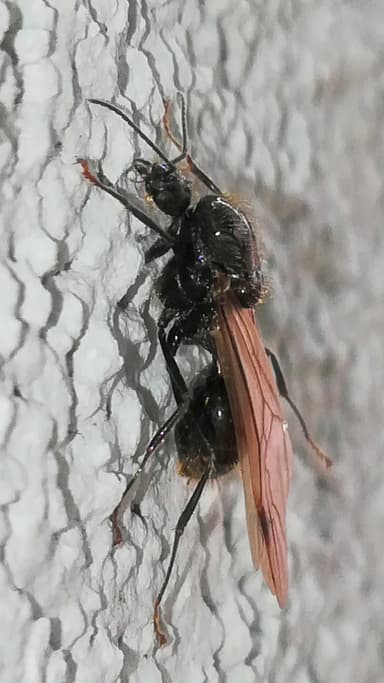
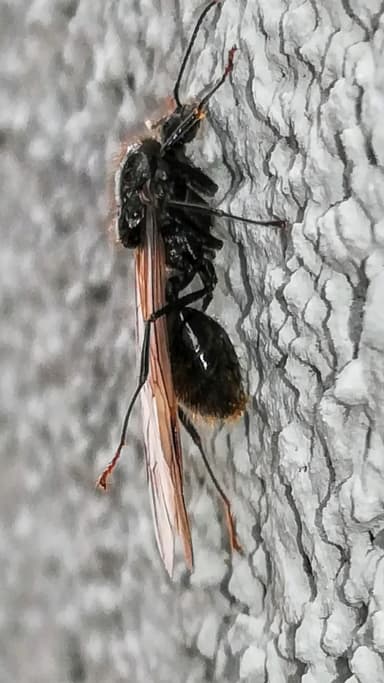
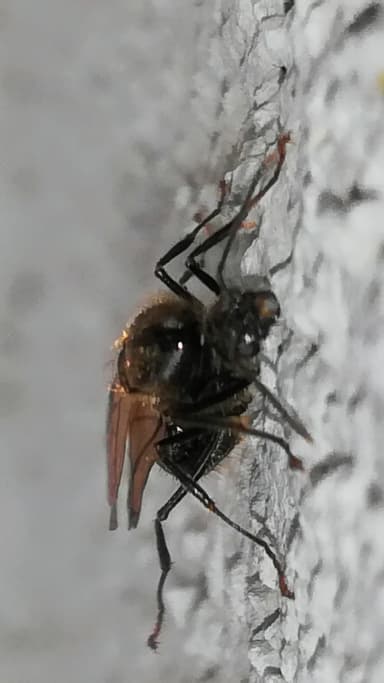
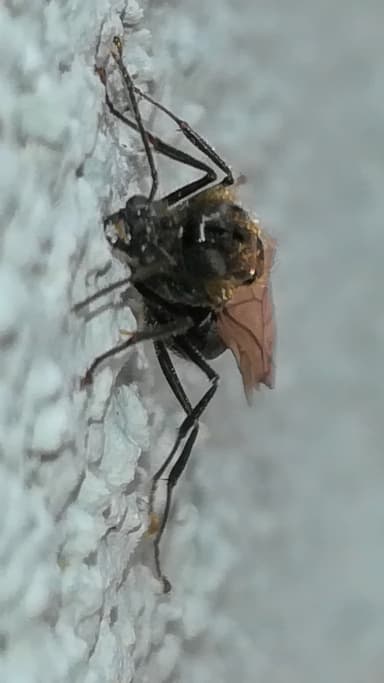
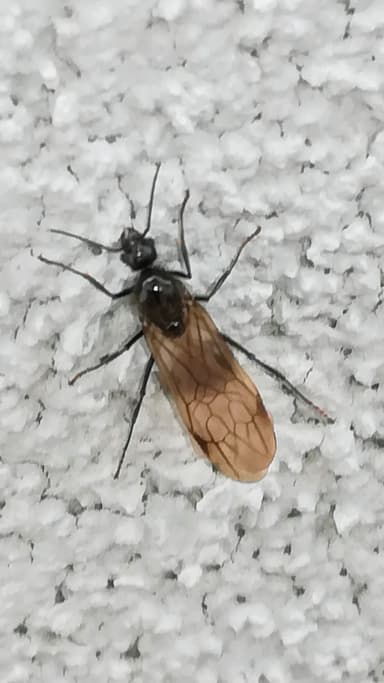
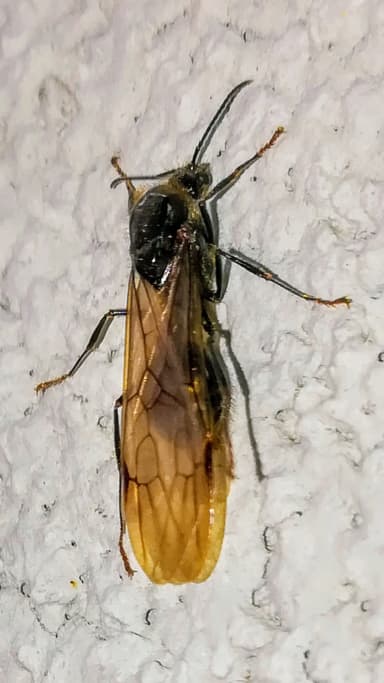
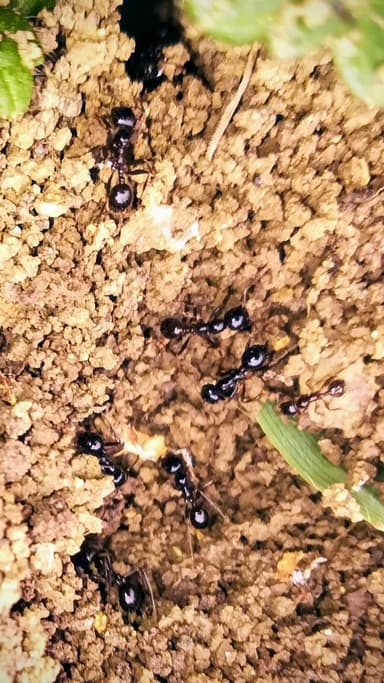
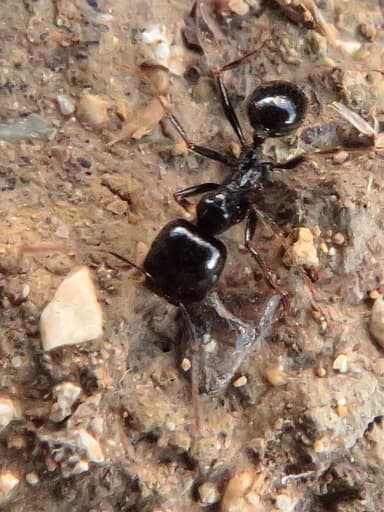
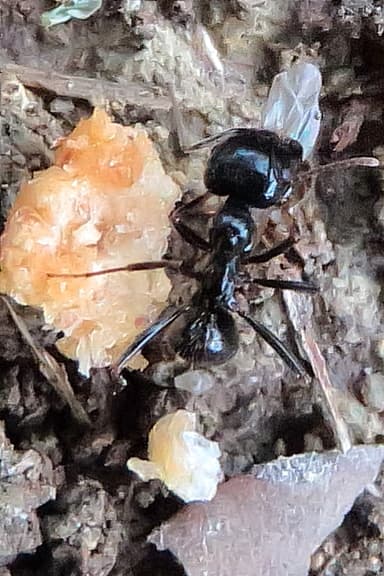
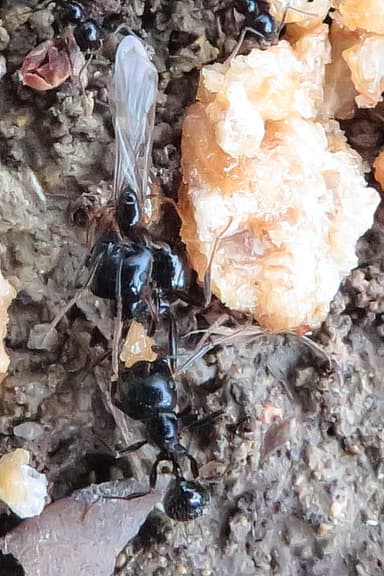
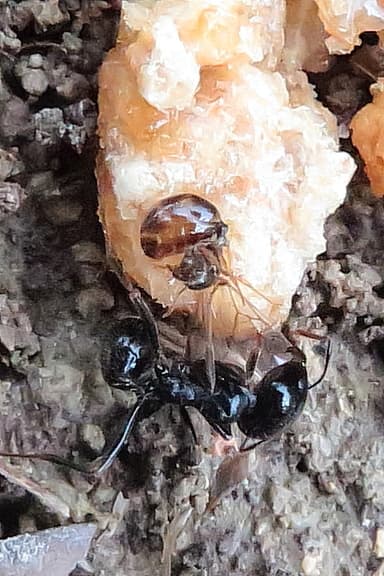
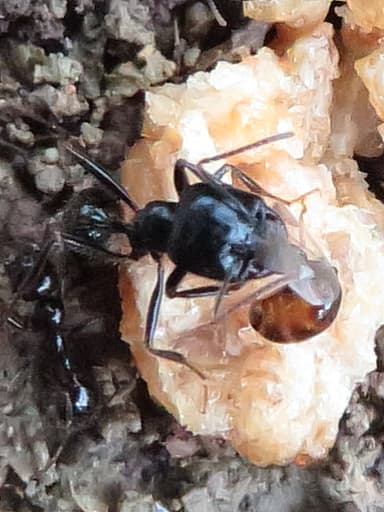
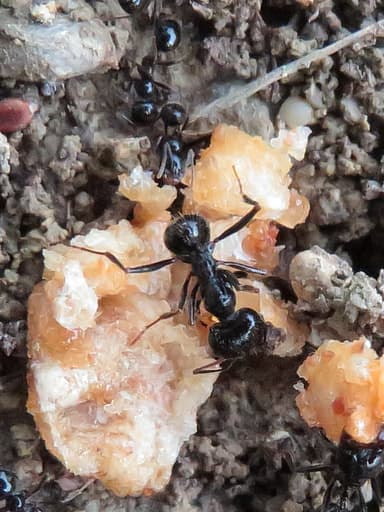
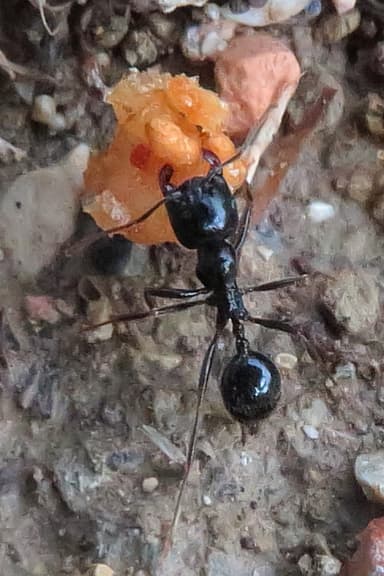
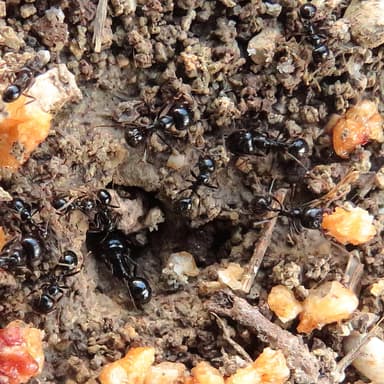
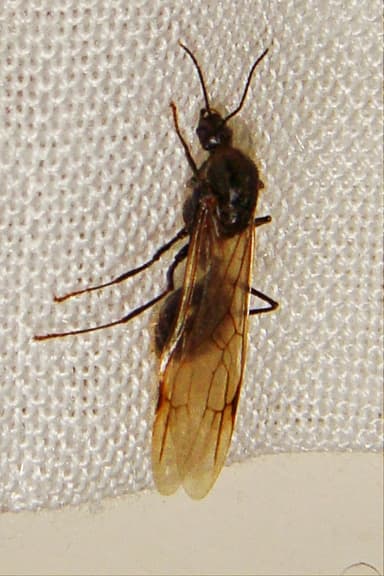
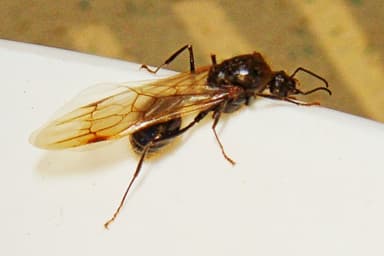
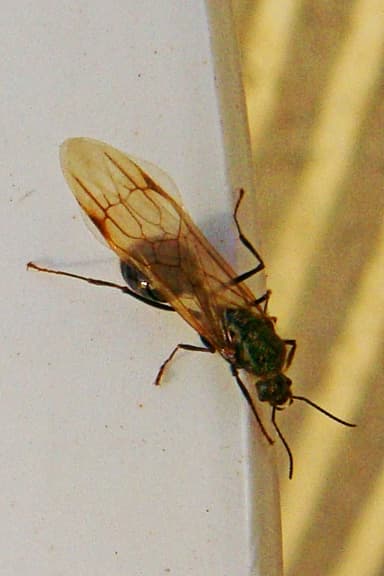
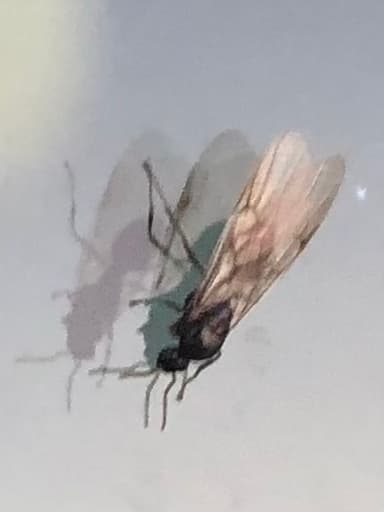
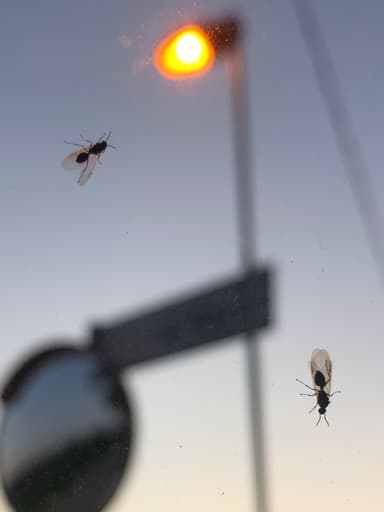
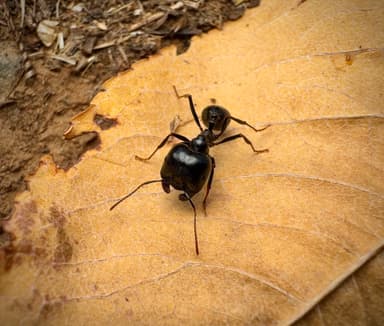
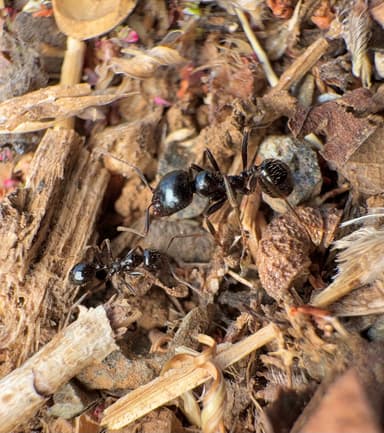
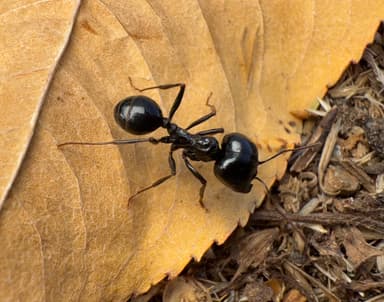
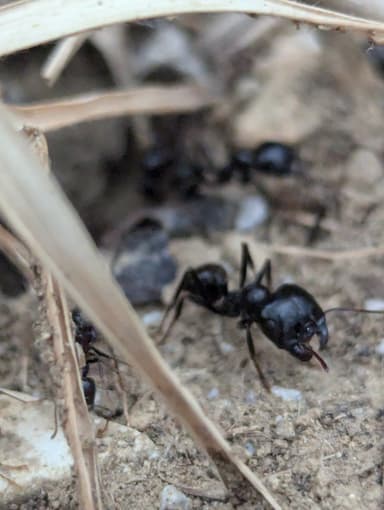
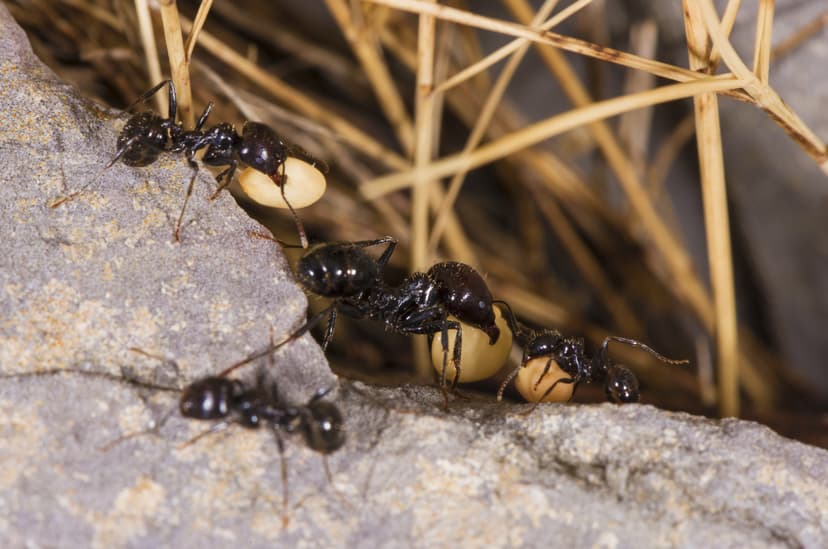
Messor capitatus is a charismatic harvester ant that epitomises the sun‑baked landscapes of the Mediterranean, where its colonies are a familiar sight from the Iberian Peninsula eastwards across southern Europe and into North Africa, as extensive GBIF occurrence data readily attests. Queens are robust, measuring 14 to 17 millimetres, and the workers display a striking polymorphism that ranges from tiny 6‑millimetre minors to formidable 12‑millimetre majors, with a distinct media caste bridging the two extremes. This size variation is not merely ornamental; the broad‑headed majors, with their powerful mandibular muscles, specialise in cracking open the hardest seeds, while smaller workers tend the brood, process food and maintain the nest. In the wild a mature colony can house up to ten thousand individuals, and nuptial flights occur on warm, humid afternoons between June and September, often triggered by a summer rain shower, when winged reproductives emerge in search of a founding site (Bernard 1968). Like all Messor species, the new queens are fully claustral, sealing themselves away to raise their first workers from bodily reserves, a delight for keepers to witness in a simple test‑tube setup.
For the hobbyist, Messor capitatus is unambiguously a beginner‑friendly species, largely because it tolerates a wide range of conditions and does not demand the carefully managed high humidity that can frustrate novices. Its resilience, however, does not diminish its appeal; the colony’s seed‑harvesting behaviour, the visible division of labour among castes, and the sheer industry of workers dragging seeds many times their own weight make it one of the most rewarding ants to observe. If you enjoy watching a society that feels almost agricultural — with grains stored in neat granaries, then milled into a protein‑rich paste workers feed to larvae — this ant will captivate you. Its undemanding nature also means it can forgive occasional lapses, though a few basics must be respected for it to truly thrive.
Housing should mimic the dry, warm environment of its native scrubland. Maintain a temperature gradient between 22 and 30°C, and keep overall nest humidity modest, between 40 and 60 percent, as excessive moisture will quickly spoil stored seeds and promote lethal moulds. Many keepers achieve this with an ytong or gypsum nest that has a light moisture source on one side — a small water tower or a dampened corner — while the rest remains bone dry, allowing the ants to choose. A sand or sandy‑loam substrate in the outworld not only looks natural but also provides a surface onto which seeds can be scattered, and if you give the colony a deeper digging area, majors will often reshape it enthusiastically. Standard ant‑keeping wisdom from forums such as Ameisenforum emphasises that Messor species loathe stagnant dampness, so always ensure good ventilation and remove any uneaten insect fragments promptly. A heat mat placed beneath one part of the nest will generate a thermal gradient that the ants use to regulate brood development, but avoid heating the entire nest — these ants need a cooler retreat.
Feeding is centred on the seed economy that defines the genus. Offer a variety of small oil‑rich seeds: poppy, nyjer, canary grass and amaranth are staples that even the tiniest workers can handle, while larger items like hemp, millet or crushed sunflower chips will keep the majors busy. The workers chew the seeds into a soft, bread‑like substrate that serves as the colony’s carbohydrate store and is fed directly to larvae. To supply the protein essential for brood growth, supplement with small pre‑killed insects — Drosophila, pinhead crickets or chopped mealworms — once or twice a week, though never so much that leftovers linger. A drop of sugar water or honey on a piece of foil is welcomed occasionally but is far less critical than for nectar‑dependent ants; water is, however, non‑negotiable. Always provide a clean, leak‑proof water source, such as a test tube plugged with cotton, and refresh it regularly to prevent bacterial build‑up.
Annual hibernation is not optional for this temperate species. Colonies that are kept warm year‑round gradually decline, showing reduced brood production and worn‑out workers, because the queen and workforce need a prolonged winter rest at around 12°C to reset their biological clocks. A typical cycle lasts three to four months, from late November to early March, though hobbyists in mild climates can simply move the formicarium to an unheated room or a dedicated wine cooler. Reduce feeding gradually in autumn, allow the colony to empty its crops, and then lower the temperature in steps over a week or two. During diapause, check monthly that a very small amount of moisture remains available, but otherwise leave the ants completely undisturbed. In spring, warm them up just as slowly, and you will be rewarded with a surge in egg‑laying and vibrant activity.
When you first receive a founding queen or a young colony, patience is the single most important virtue. Place the test tube in a dark, quiet spot at around 25°C, and resist the urge to check on her more than once every couple of weeks. A freshly mated queen sealed in her tube needs nothing except the water supply already present; she will lay a small batch of eggs and rear her first nanitic workers entirely from her own wing‑muscle tissue. Those first workers, tiny and pale, will emerge after about eight to ten weeks. Only then should you offer the colony its first meal: a pinch of poppy seeds on a small tray, and a pre‑killed fruit fly or spiderling, placed just outside the tube entrance so the timid foragers can make short trips. Watch that the seeds do not become mouldy in the tube’s humidity, and as the colony grows to twenty or thirty workers, you can connect a small foraging arena and begin the measured introduction of a permanent nest. Pay attention to escape prevention from the start — minors can exploit minute gaps — and soon you will have a bustling miniature farmstead that reflects the sun‑burnished ecosystem from which it came.