Lasius
Lasius alienus
Nuptial Flight Calendar
Flight months: Jun, Jul, Aug, Sep
Care Guide
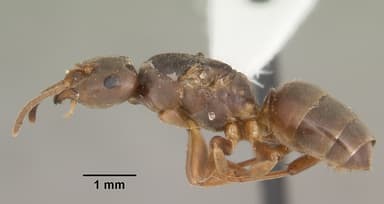
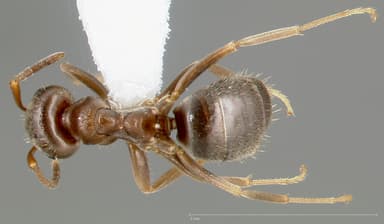
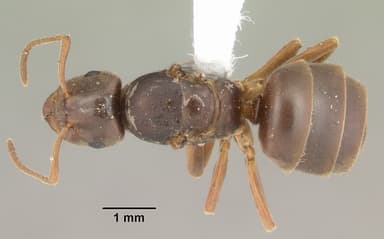
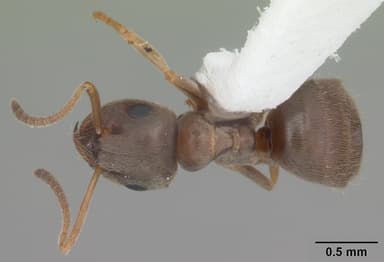
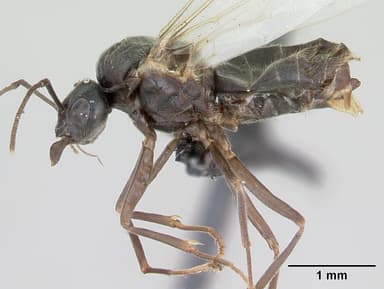
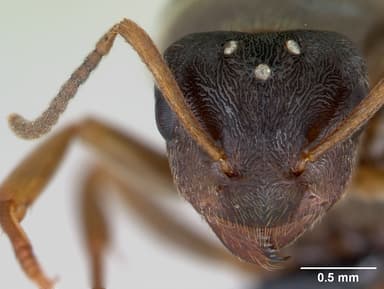
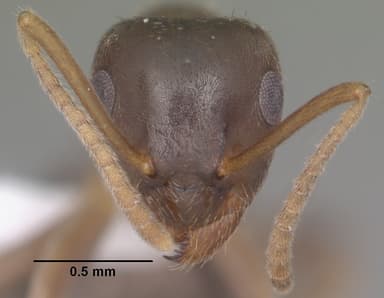
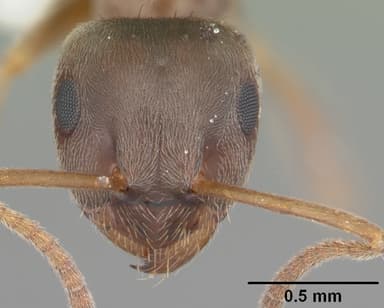
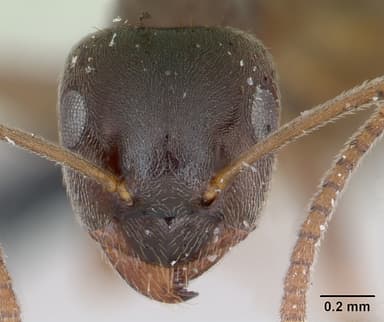
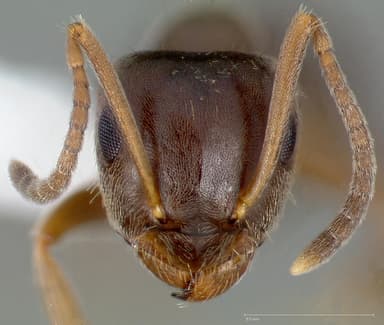
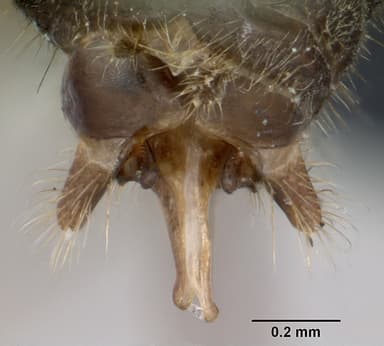
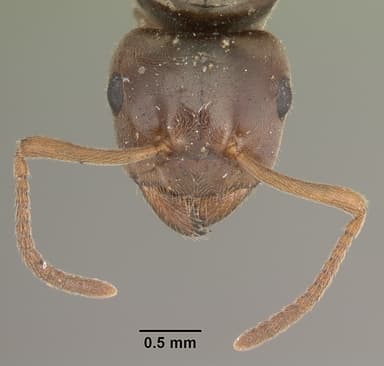
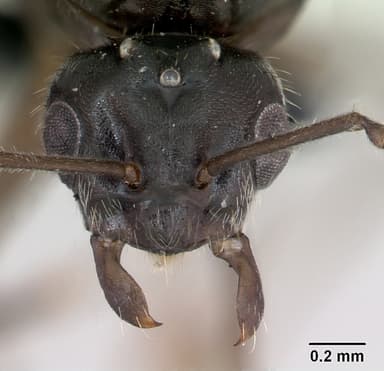
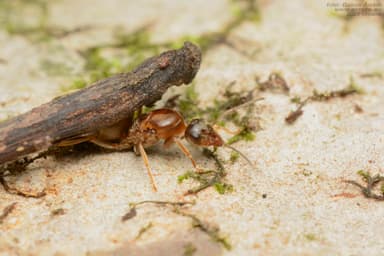
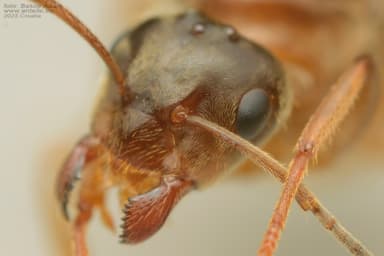
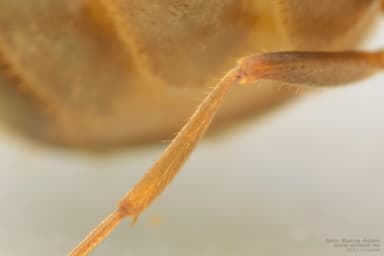
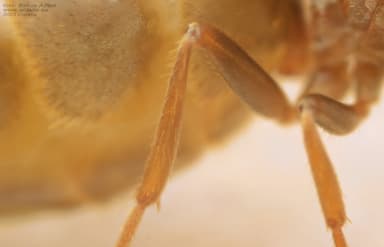
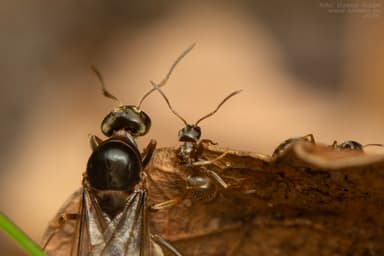
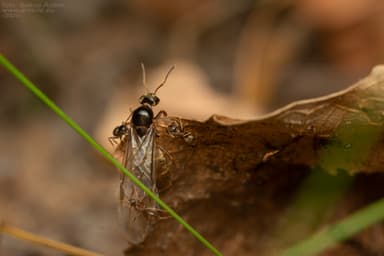
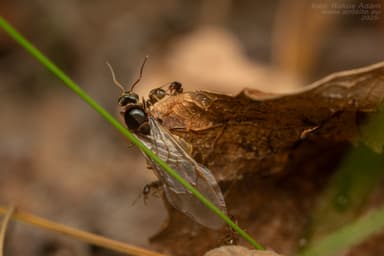
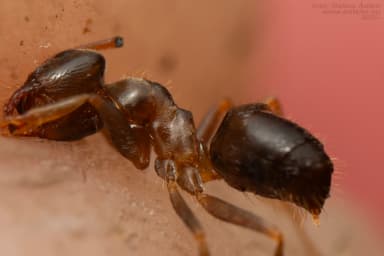
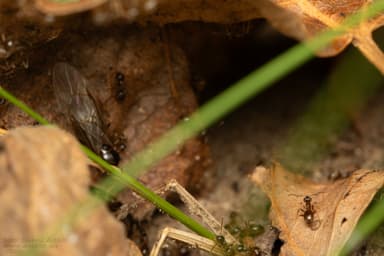
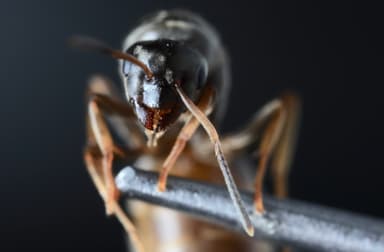
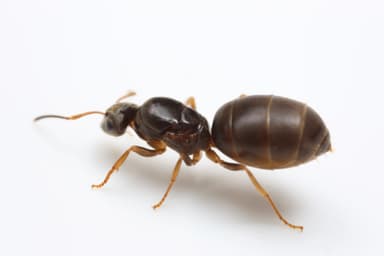
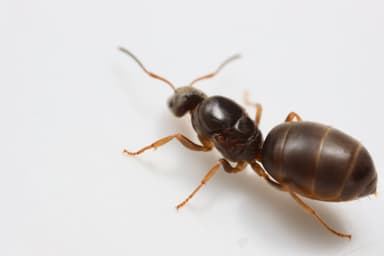
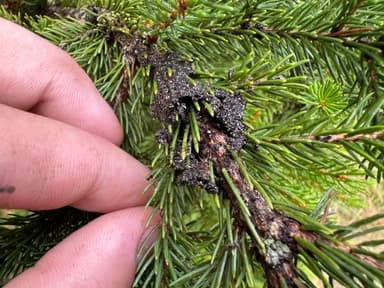
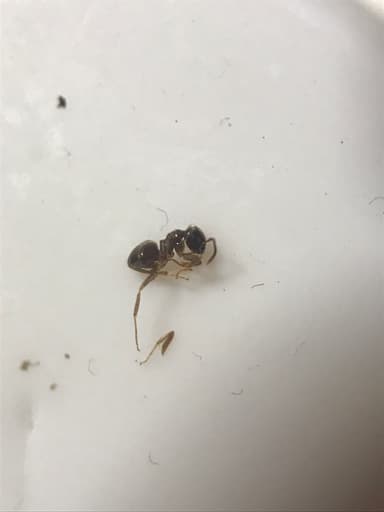
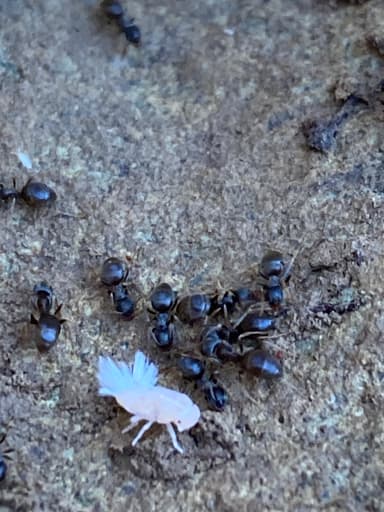
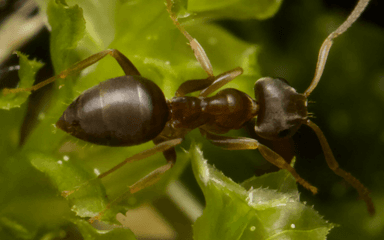
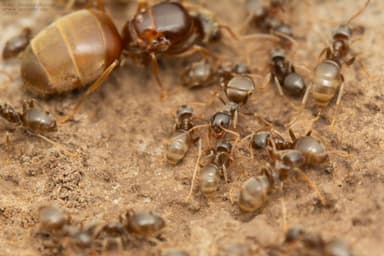
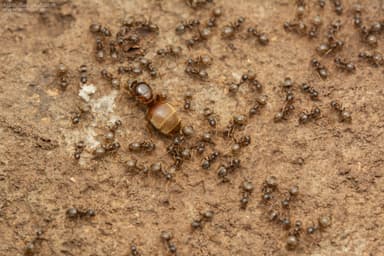
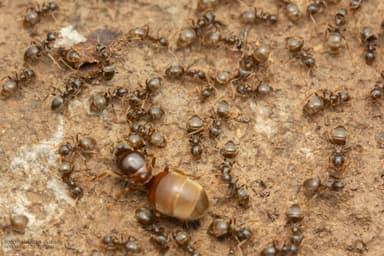
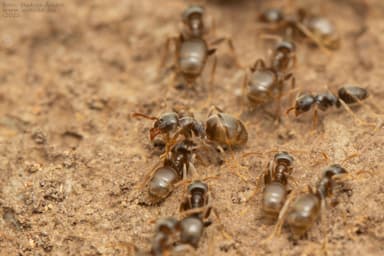
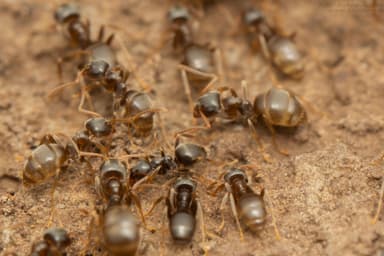
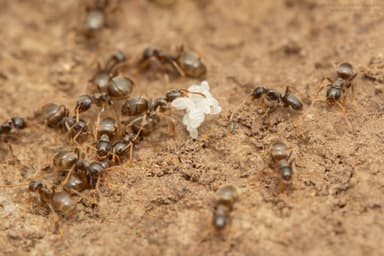
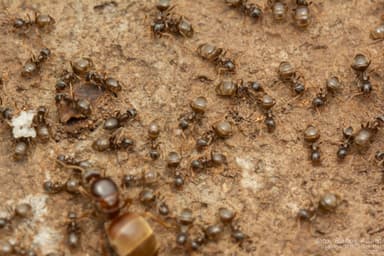
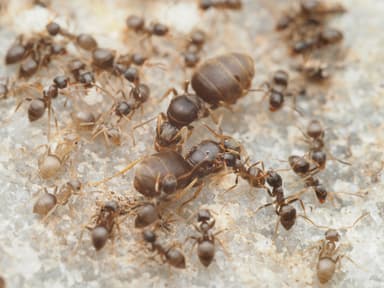
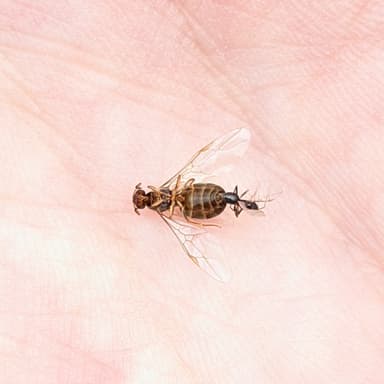
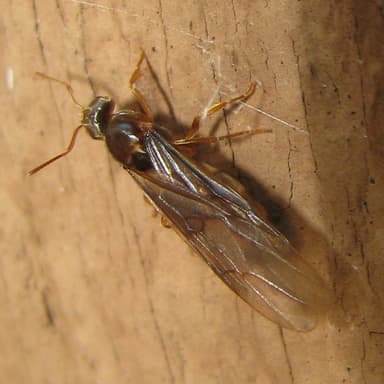
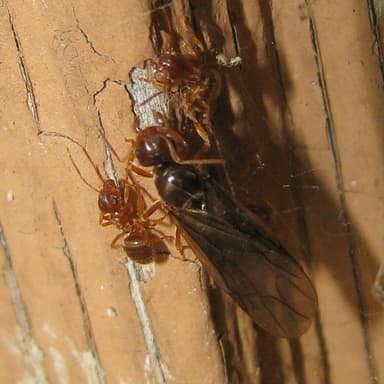
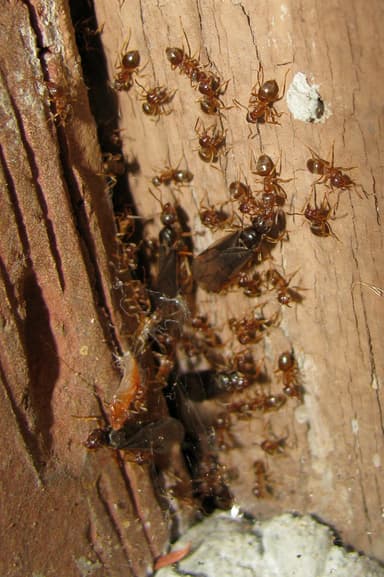
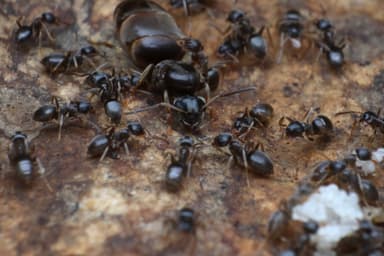
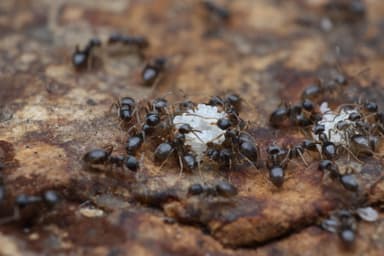
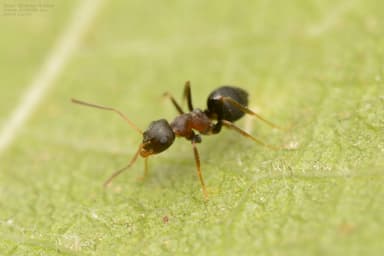
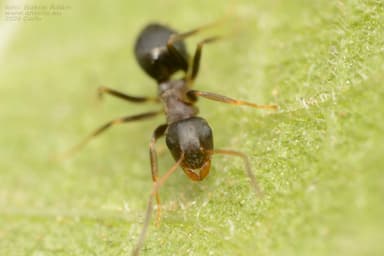
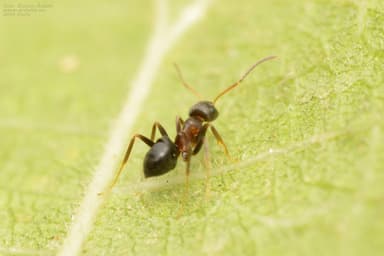
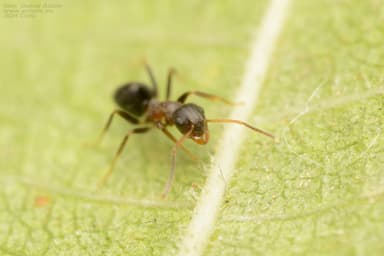
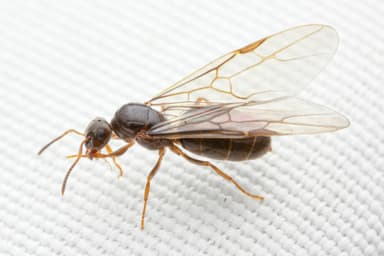
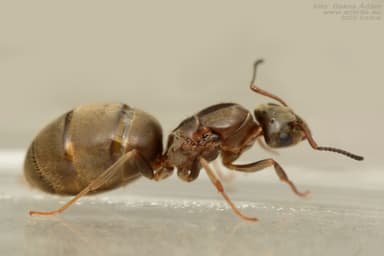
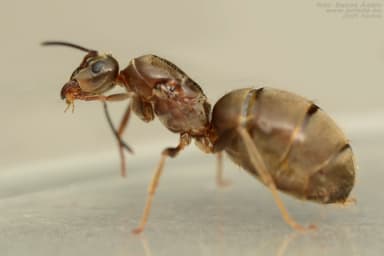
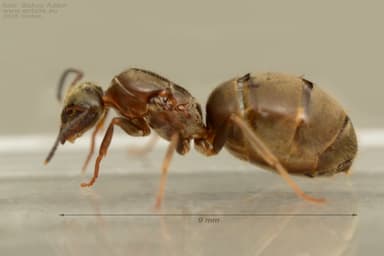
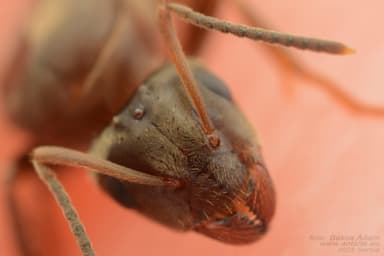
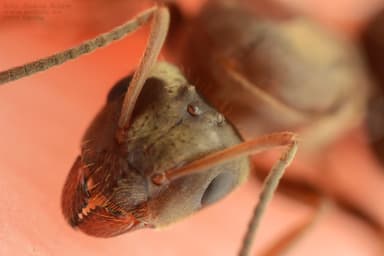
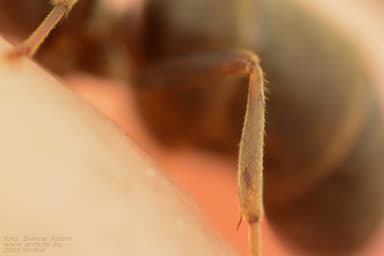
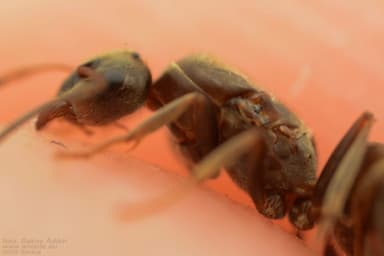
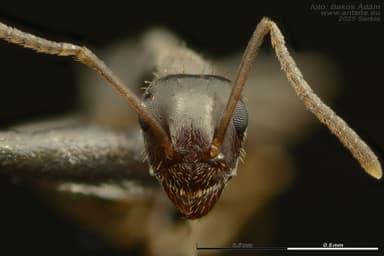
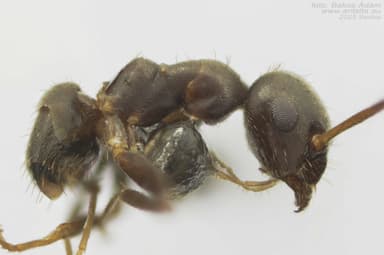
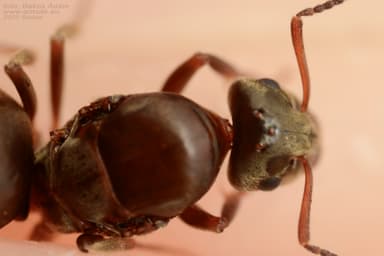
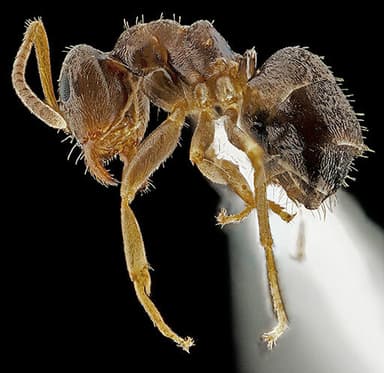
Lasius alienus is a modestly sized, resilient ant that has quietly established itself across a vast swath of the Palearctic, from the Atlantic coasts of Europe deep into Asia, roughly between latitudes 30° and 65° north (GBIF occurrence data). Often called the cornfield ant or simply a close cousin of the ubiquitous black garden ant, Lasius alienus can be distinguished by its slightly more slender build and subtle differences in pilosity, but for the keeper, its appeal lies in its classic ant architecture and unpretentious nature. Workers are monomorphic, a single caste of minors ranging from a diminutive 2.5 mm up to 4 mm, all cloaked in a smooth, dark brown to black cuticle with a faint greasy sheen. The queen is a more substantial figure at 7 to 9 mm, and following her claustral founding flight—typically on warm, humid afternoons from June through September, often in the wake of summer rain (Seifert 2018)—she will seal herself away to raise her first nanitic workers. Mature colonies in the wild can swell to around 12,000 individuals (Czechowski et al. 2012), though captive colonies rarely reach such numbers. It is this combination of a full, ground-nesting life history, easygoing temperament, and the quiet drama of a slowly expanding empire that makes Lasius alienus a rewarding subject for observation.
As a care difficulty rating of “beginner” suggests, this species is wonderfully suited to those just starting their myrmecological journey. It does not demand precise environmental controls or exotic foods, and it forgives the occasional lapse that might send a more finicky species into decline. The ant is naturally adapted to temperate grasslands, meadows, and forest edges, so room temperature conditions often fall squarely within its comfort zone. Keepers will find that Lasius alienus reacts predictably to disturbances, rarely panicking into a frantic scramble, and its modest size makes escape manageable. If you have ever kept Lasius niger, you will find the rhythm very similar; if this is your first colony, you have chosen an excellent teacher that will reward patient observation with steady growth and the full arc of ant society.
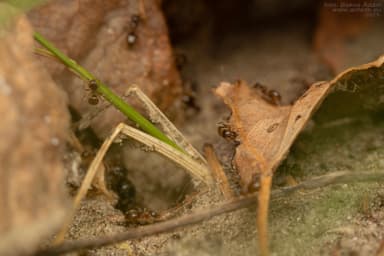
Creating a suitable home for Lasius alienus works best when one mimics its natural subterranean preferences while keeping maintenance simple. This is a soil-nesting species in the wild, and it appreciates being able to dig, so a naturalistic setup with a sandy loam or a sand–clay mixture as a substrate layered in a terrarium or a ytong formicarium with a digging chamber is ideal. That said, many keepers succeed with entirely artificial nests such as acrylic or 3D-printed modules, as long as the ants are given a darkened, enclosed space. Temperature should be kept between 18°C and 26°C; they thrive at the warmer end of this spectrum, which boosts brood development, but they will not suffer at the cooler end for short periods. Humidity in the nest ought to range from 50% to 70%, easily achieved by a test tube water reservoir or a moistened plaster nest, while the foraging arena can be kept considerably drier. Good ventilation is important to prevent mold, especially if you opt for a soil substrate. A small outworld with a layer of sand or fine gravel allows for natural foraging behavior and trash disposal, completing the living quarters.
Like most Lasius species, alienus is an opportunistic omnivore. In the wild they tend root aphids and scale insects for honeydew, and they scavenge fallen insects. In captivity a balanced diet is effortlessly provided: offer protein in the form of small, freshly killed or frozen-thawed insects such as fruit flies, micro crickets, or chopped mealworms. Once or twice a week is generally enough for a small colony, with portions scaled up as numbers grow. Sugary liquids should be available regularly, represented by a droplet of sugar water, diluted honey, or a commercial ant nectar. A tiny cotton wick or a small liquid feeder prevents drowning. Clean, fresh water must always be present, either from the nest's hydration source or a separate water tube. Remove uneaten insect pieces after a day or two to prevent mold and mite outbreaks, and you will keep the colony vigorous.
Hibernation is non-negotiable for the long-term health of Lasius alienus. This species experiences a pronounced winter diapause in its native range, and without a cold resting period, queens may cease egg-laying, workers may die prematurely, and the colony's internal clock will drift. Aim for a stable 5°C for three to four months, traditionally from November to late February. The transition should be gradual: over two to three weeks, reduce temperatures and light exposure until the colony reaches its hibernation temperature, ideally in a refrigerator, a cold basement, or a well-insulated frost-free garage. During this time the ants will cluster tightly, movement will cease almost entirely, and they require no food. Check the nest every few weeks to ensure the water source has not dried out, but otherwise leave them entirely alone. When spring arrives, warm them up slowly and offer a small drop of sugar water as they stir awake, and the queen will soon resume laying.
The first days after your Lasius alienus queen arrives are a delicate period that demands restraint. She will likely be shipped in a test tube setup with a water plug; place the tube in a dark, quiet, vibration-free spot at room temperature and resist the urge to inspect her more than once every few days. Do not feed her during the first week—she is sustained by her own fat reserves and the breakdown of wing muscles. After about seven days, you may gently offer a minuscule speck of sugar water on the tip of a cocktail stick near the cotton, and if she accepts it, you can repeat the offering every two to three days. When the first tiny workers, the nanitics, eclose, you can introduce their first solid protein: a pre-killed fruit fly or a pinhead cricket, along with a small liquid feeder. Watch for signs of stress, such as ceaseless tugging at the cotton wool or refusal to settle, which usually indicate too much light or vibration. Once a handful of workers are foraging confidently, you can connect the tube to a small outworld. From this point forward, the colony will slowly build itself into the bustling society you see patrolling summer pavements, all within the safe confines of your care.