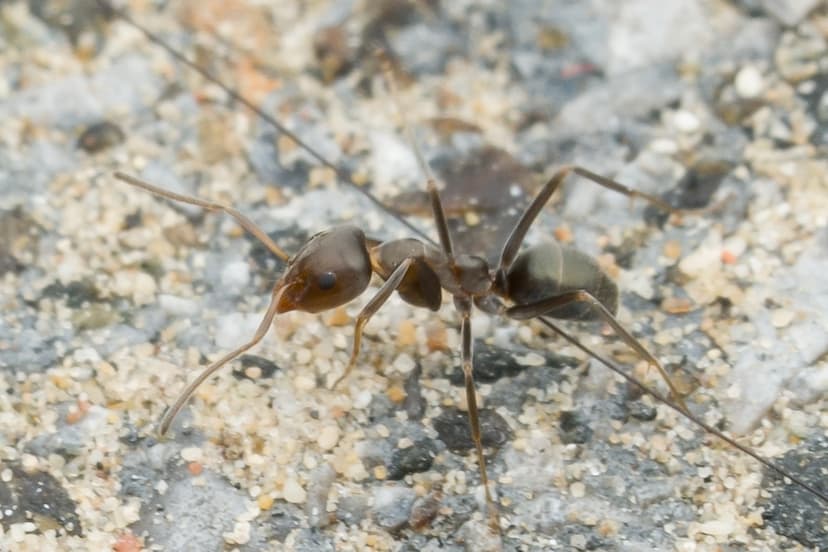
Iridomyrmex
Iridomyrmex suchieri
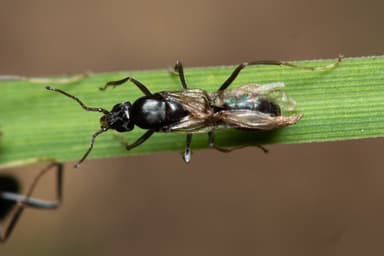
Nuptial Flight Calendar
Flight months: Jan, Feb, Aug, Sep, Oct, Nov, Dec
Care Guide
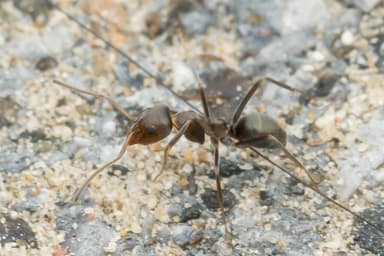
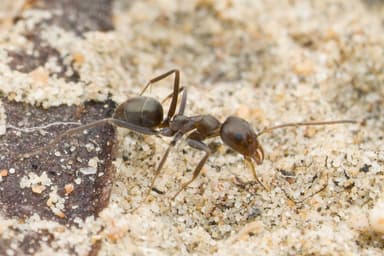
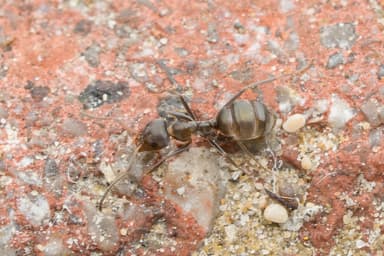
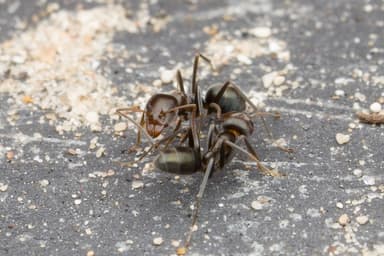
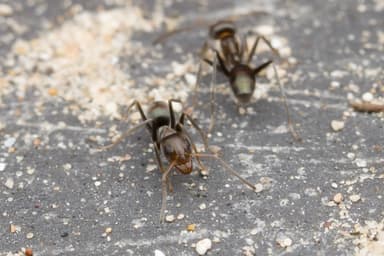
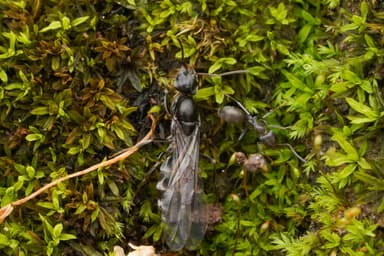
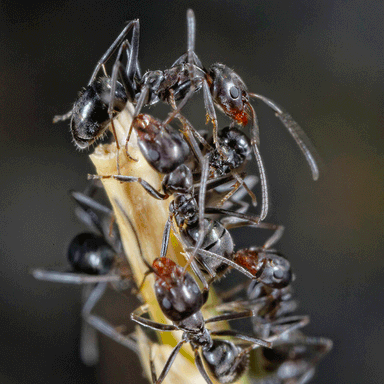
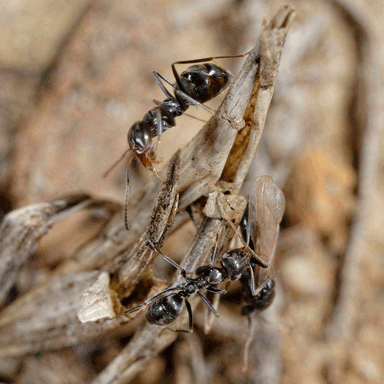
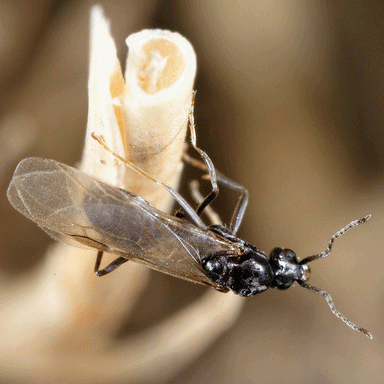
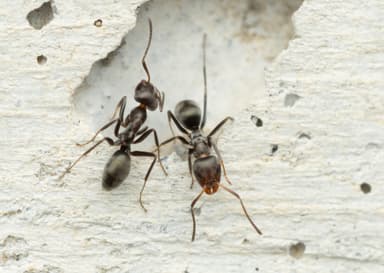
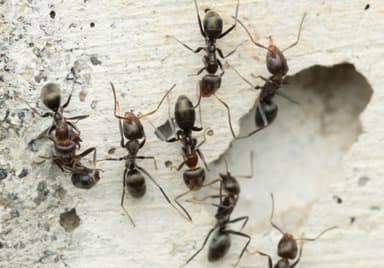
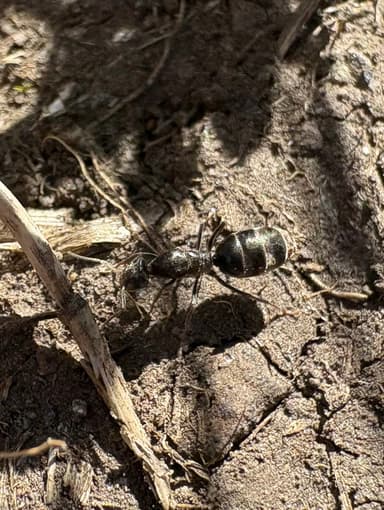
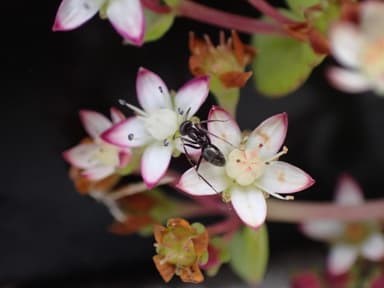
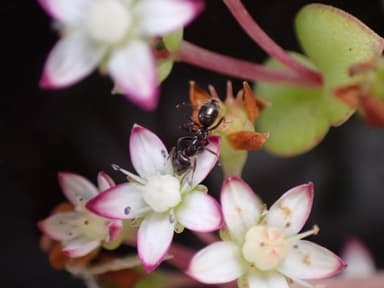
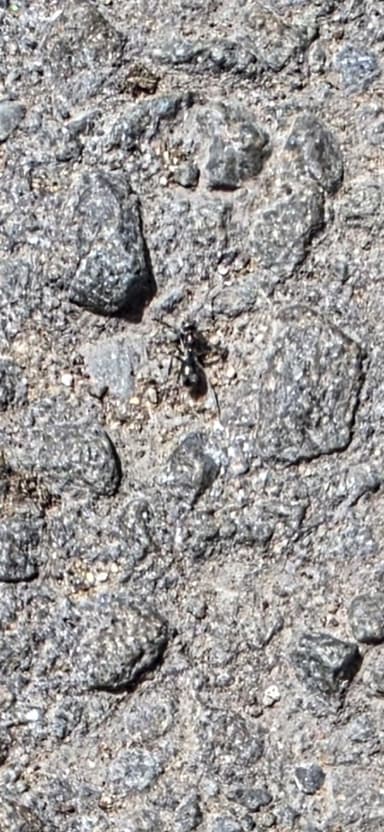
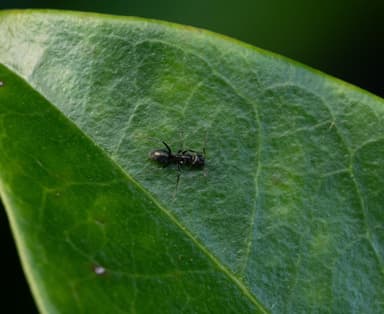
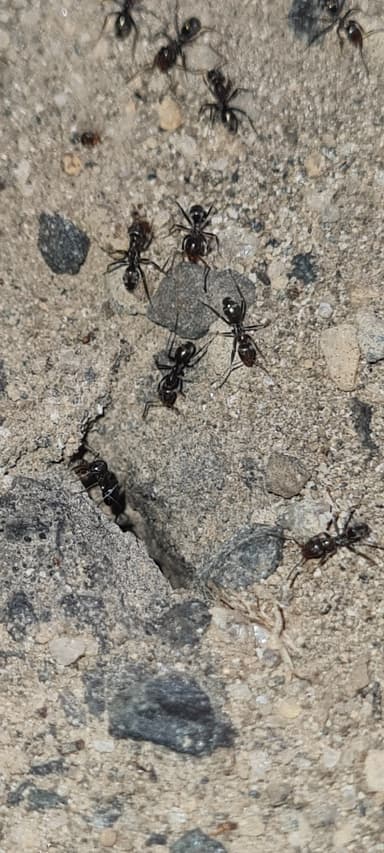
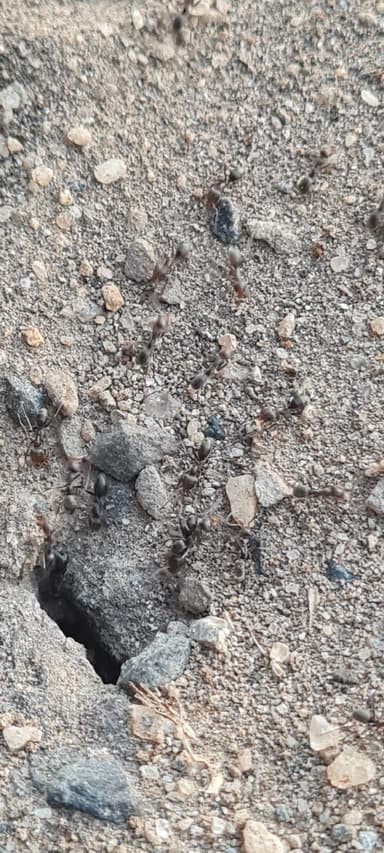
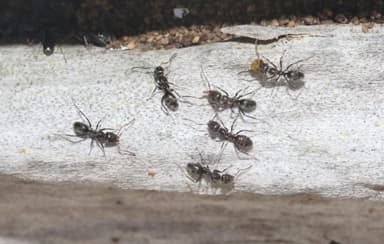
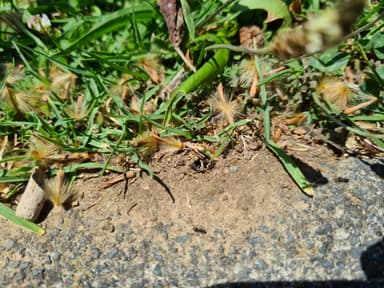
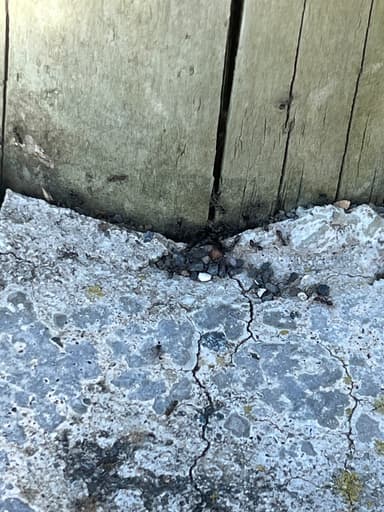
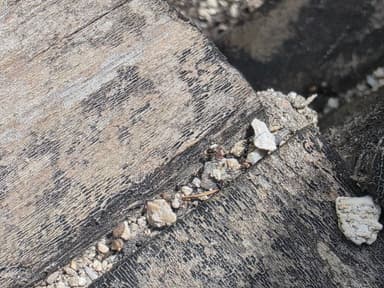
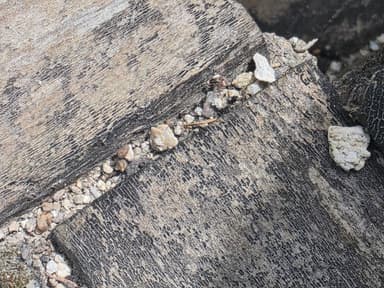
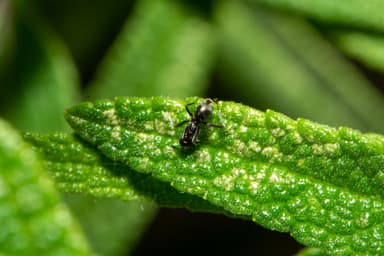
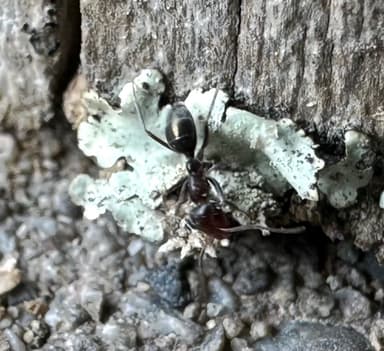
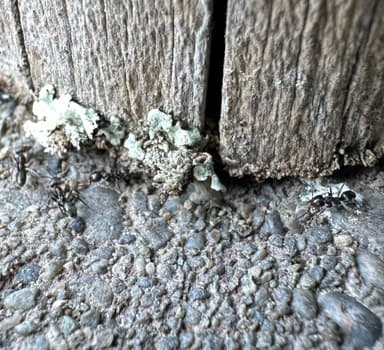
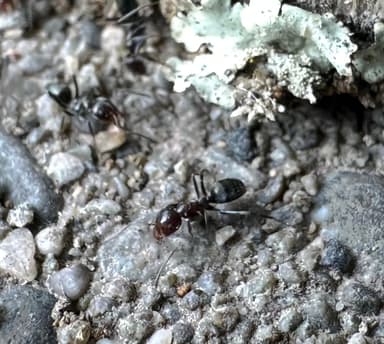
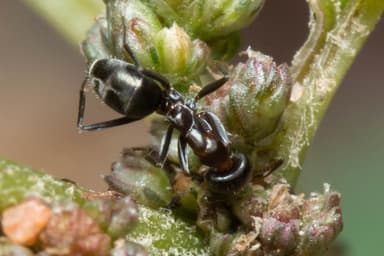
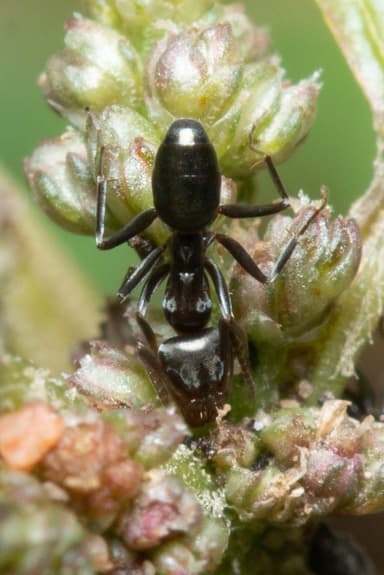
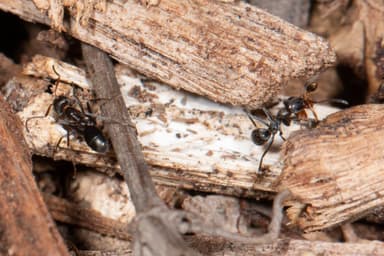
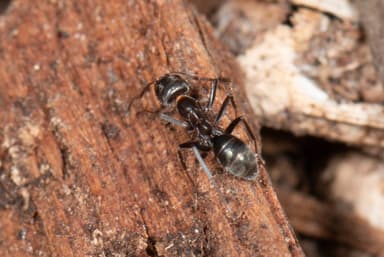
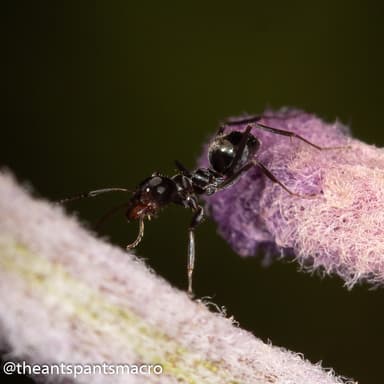
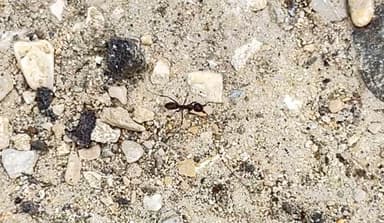
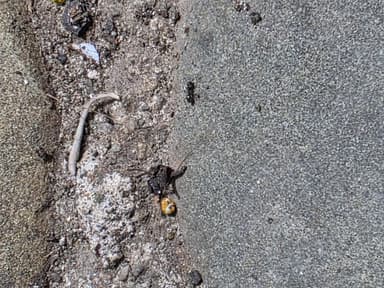
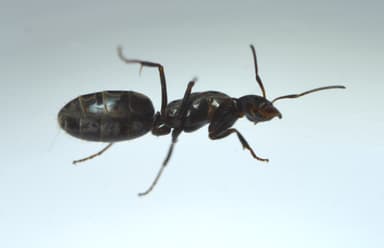
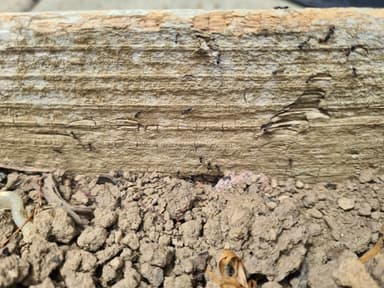
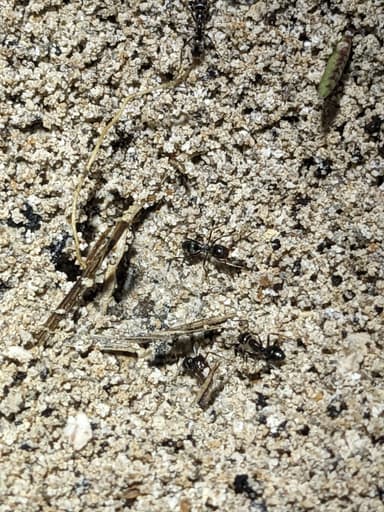
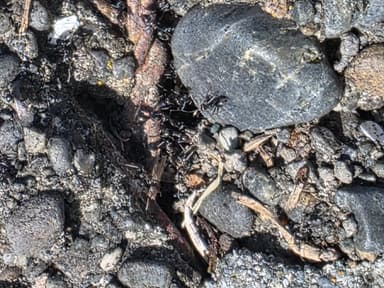
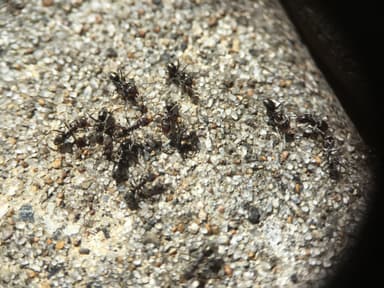
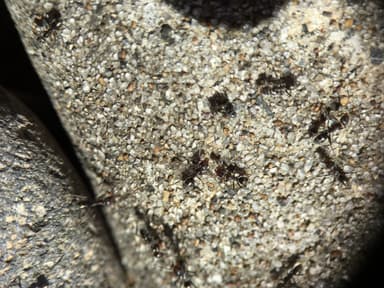
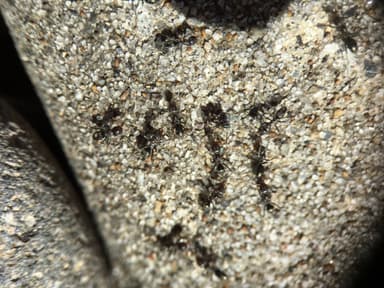
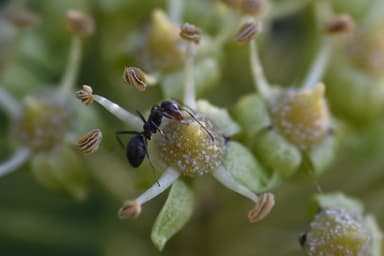
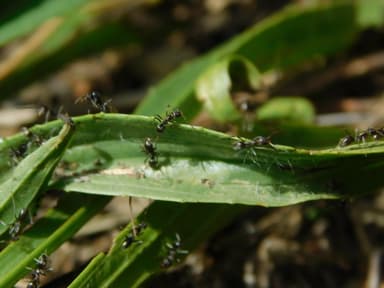
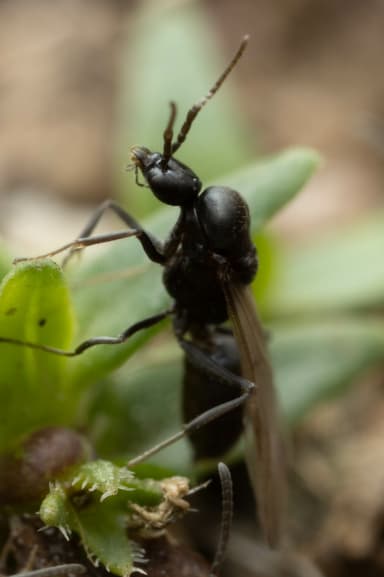
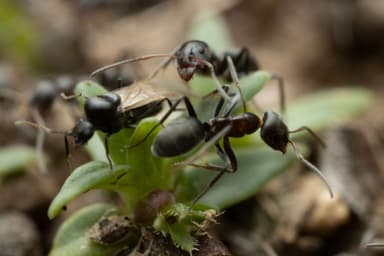
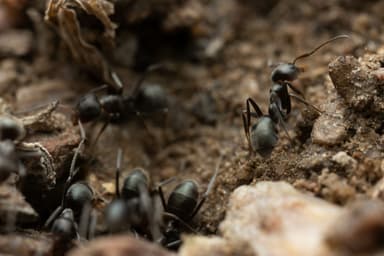
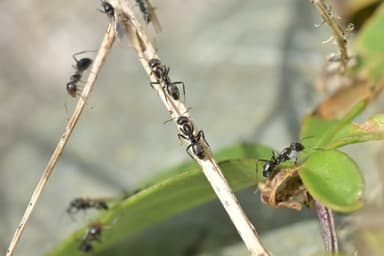
Iridomyrmex suchieri is a captivating, medium-sized Australian ant that offers hobbyists a window into the industrious world of the dolichoderine ants. Queens measure 6 to 8 mm, while the monomorphic minor workers range from a nimble 3 to 4.5 mm, creating a sleek, uniformly dark-bronze appearance typical of many meat ants (Heterick & Shattuck 2011). This species is fully claustral, so a newly mated queen will found a colony entirely from her bodily reserves without needing to leave her chamber to forage. Mature colonies can reach an impressive 10,000 workers, forming expansive networks of trails and multiple satellite nests in the wild, though captive colonies typically remain smaller. What makes I. suchieri particularly interesting is its relentless energy and assertive personality; they are vigorous foragers that rely heavily on chemical recruitment and, like all Iridomyrmex, secrete formic acid as a defence, lending them a faintly pungent smell when agitated. Nuptial flights are believed to occur during the austral spring and summer from October through February, on warm, humid afternoons following rain (AntWiki, AntWeb), though precise records are sparse and the timing may vary across their extensive range extending from the inland to the coast between roughly 113° and 154° east.
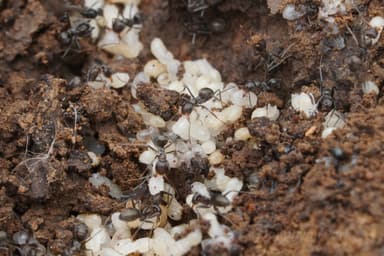
With a care difficulty rated as intermediate, I. suchieri is best suited to keepers who have already successfully raised a beginner species and are prepared for a more dynamic, fast-growing colony. The challenge is not a fragile constitution—these are hardy ants—but rather their breakneck pace of expansion and their extraordinary talent for escape. Workers are slender, quick, and can scale smooth vertical surfaces with ease, which means a tight-fitting lid and an effective, well-maintained barrier of fluon or talc are non-negotiable. Once a colony gains a few hundred workers, they will test every seam and the keeper’s attention to detail. The reward, however, is immense: a highly visible, constantly moving display where workers map every corner of their outworld, collaborate on prey, and meticulously shift brood between chambers to track the perfect microclimate. If you thrive on daily observation and enjoy the process of fine-tuning formicarium security and feeding routines, this species will be deeply satisfying.
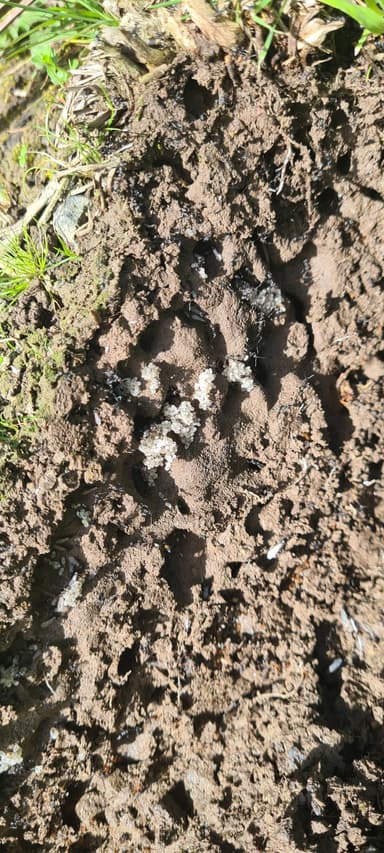
Housing these ants calls for a nest that provides a warm, dry gradient with access to a distinctly moister retreat, much like the sandy soils they excavate in nature. Keep the temperature between 18 and 30°C, with the optimal activity and brood development occurring in the 24–28°C range. A heat mat or cable placed under one end of the nest creates a gentle thermal gradient that lets workers thermoregulate exactly to their preference. Humidity should sit between 40 and 70 percent: in an artificial setup this is easily achieved by partially hydrating a ytong, plaster, or grouted nest block, leaving a dry zone for seed and waste storage. A naturalistic outworld with a couple of centimetres of sandy loam gives them the chance to rearrange their environment and express their digging instinct, though a simpler acrylic world works just as well as long as a water source is provided. Crucially, because this species does not require any form of hibernation, these conditions can remain steady year-round, eliminating the complexity of a winter cooling period.
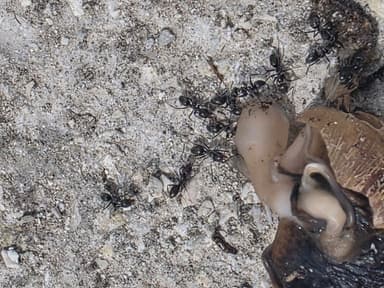
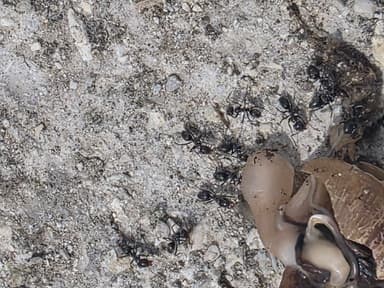
Diet must reflect the dual need for abundant sugars and regular protein that powers this species’ ceaseless activity. As wild I. suchieri and their relatives are known to tend hemipterans for honeydew (Shattuck 1992), they have a marked sweet tooth and should always have access to fresh liquid carbohydrates: honeywater, maple syrup solution, or a commercial ant nectar work beautifully. For protein, offer insect prey two to three times per week—small crickets, fruit flies, chopped mealworms, and pre-killed cockroach segments are all accepted with enthusiasm. Always crush or pierce larger prey to minimise defensive struggles that could injure workers. Fresh drinking water must be available at all times, either in a test tube waterer or a small saturated cotton pad. A growing colony with many larvae will consume an astonishing amount of protein, so watch the refuse pile; if prey is stripped instantly, increase the offering frequency slightly, but never let uneaten remains spoil in the outworld.
Hibernation is entirely unnecessary for I. suchieri. This species hails from regions of Australia where winter cooling is mild and transient, and in the protected environment of a captive nest a dormant phase is not part of its life cycle. Maintain temperatures above 18°C year-round and you will see continuous foraging and brood production. If your home naturally cools a few degrees in winter, the colony may simply slow down somewhat, but do not interpret this as a cue for a forced diapause; cooling below 18°C risks developmental delays and could stress the queen. Constant warmth and steady feeding will keep them marching through every season.
When your new I. suchieri queen and her first workers arrive, the most important rule is to give them space and time to settle. Leave their test tube or starter nest inside the prepared formicarium, covered to maintain darkness, and resist the urge to interfere for at least 24 hours. After this quiet period, place a tiny droplet of sugar water on a slip of waxed paper in the outworld. A day later, introduce a pinhead cricket or an equally small piece of protein. Healthy, hungry workers typically recruit to food within minutes, so this first feeding is an excellent indicator of their condition. Over the first week, watch for any signs of stress, such as workers persistently walking upside down on the lid, excessive clustering away from the nest, or escape attempts. These almost always signal that humidity is incorrect, the barrier is inadequate, or the nest entrance is too exposed. Once they have taken their first meals and begun to explore the outworld calmly, you can start feeding on a regular schedule and look forward to the rapid expansion of this tireless and engrossing Australian native.