Formica
Formica pratensis
Nuptial Flight Calendar
Flight months: Apr, May, Jun, Jul, Aug, Sep
Care Guide
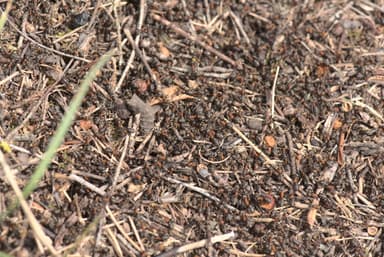
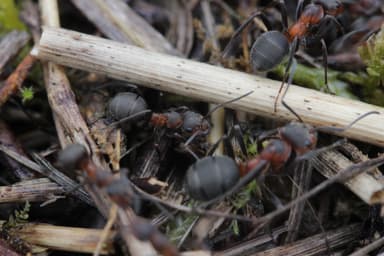
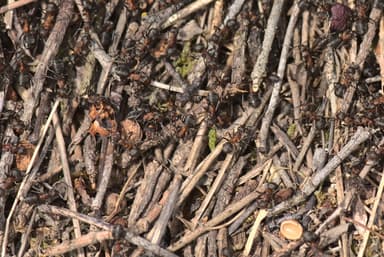
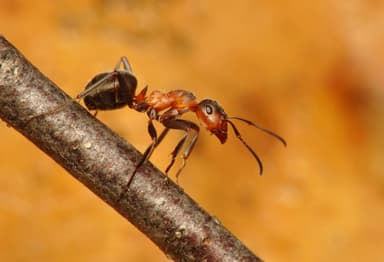
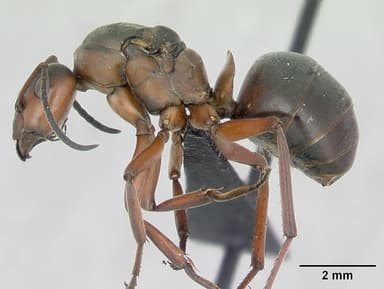
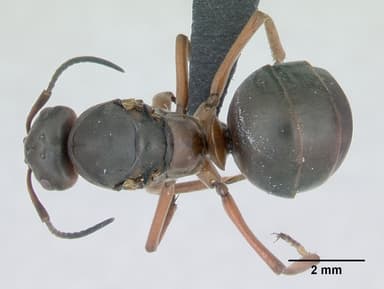
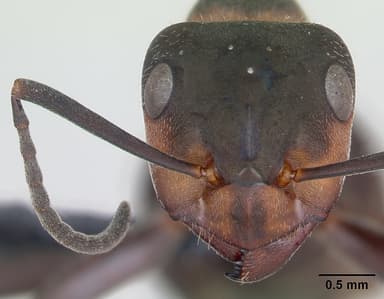
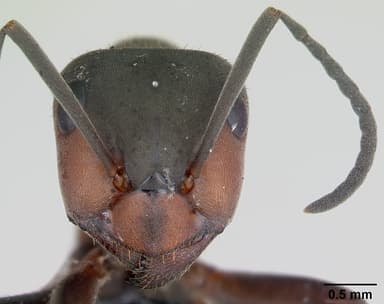
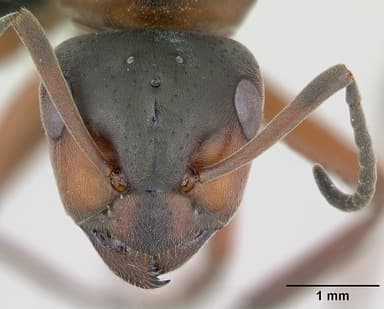
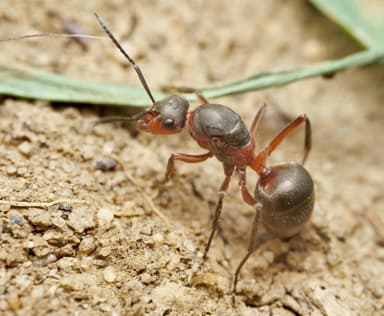
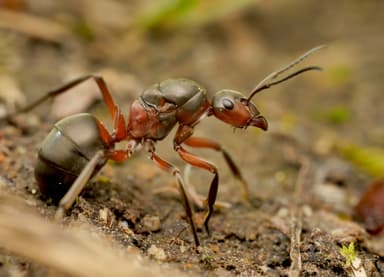
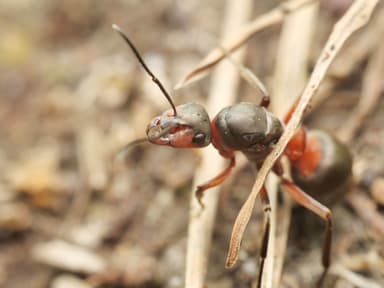
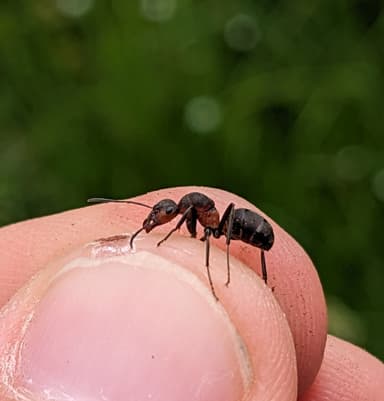
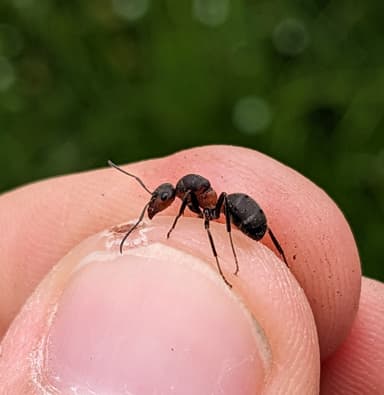
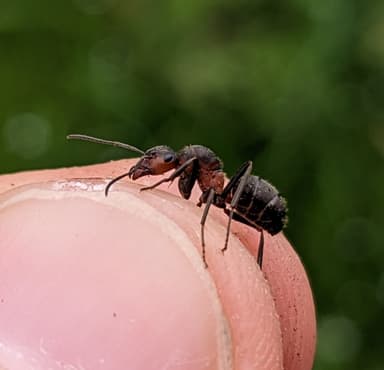
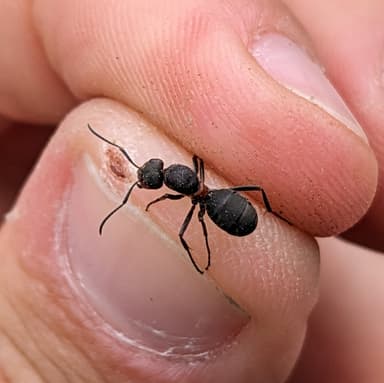
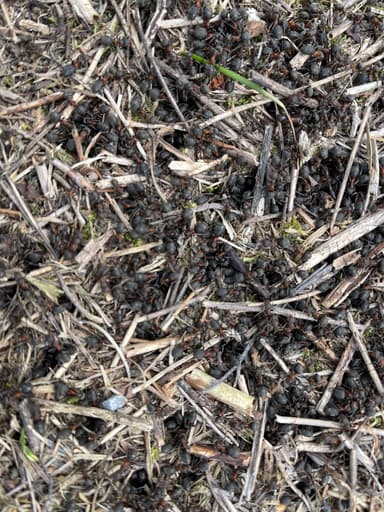
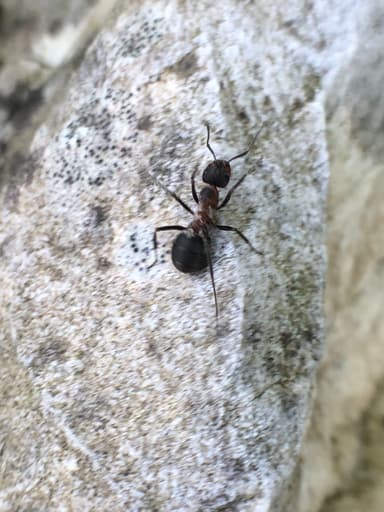
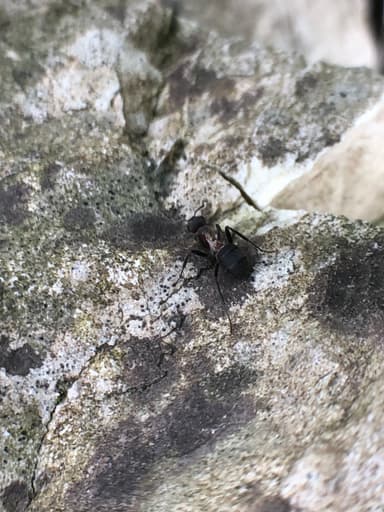
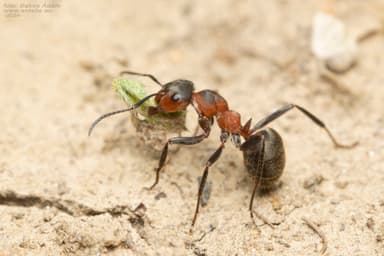
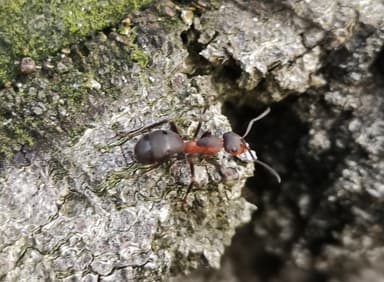
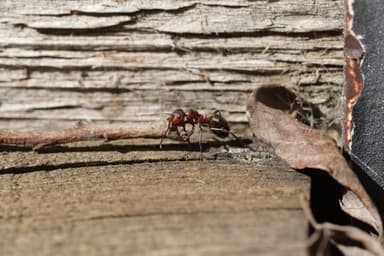
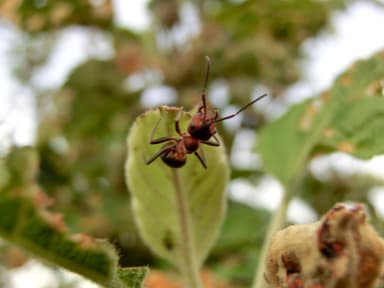
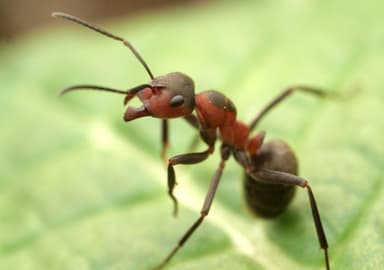
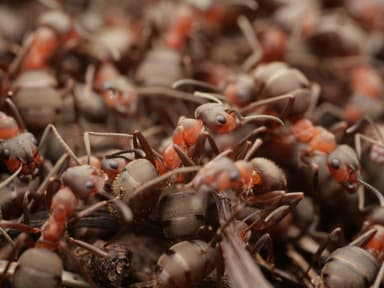
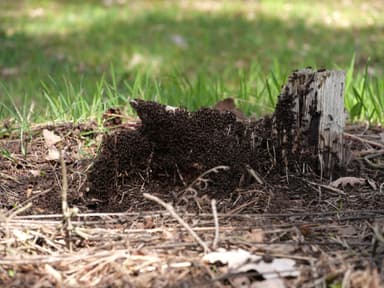
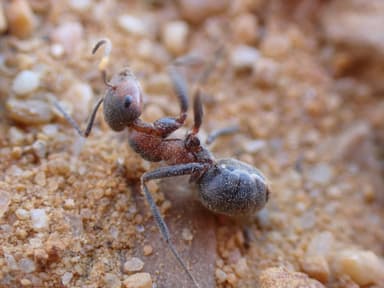
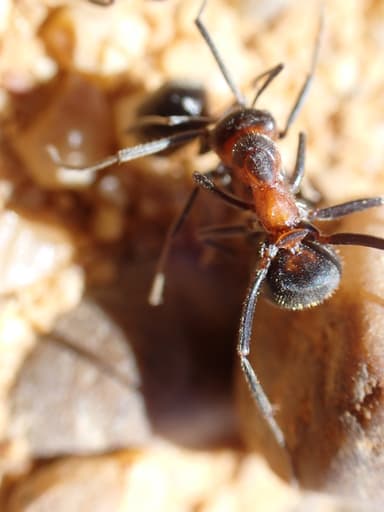
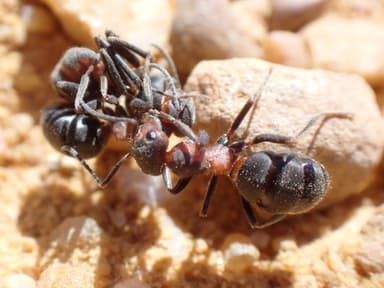
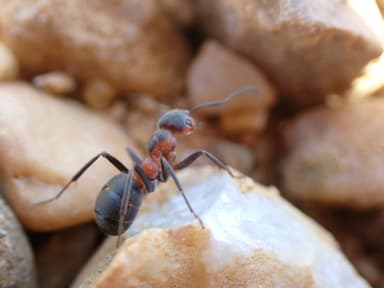
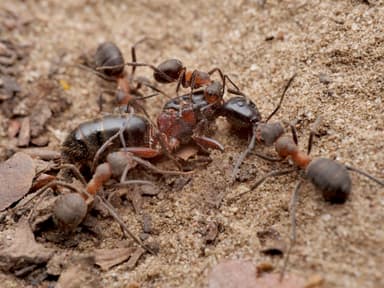
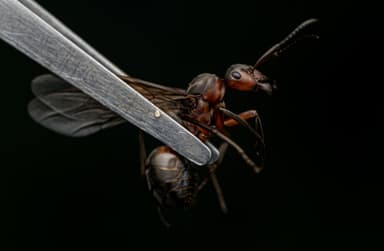
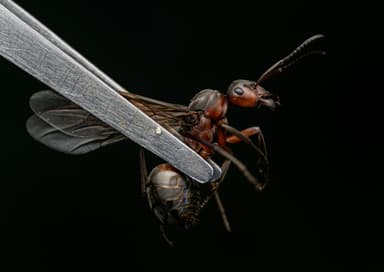
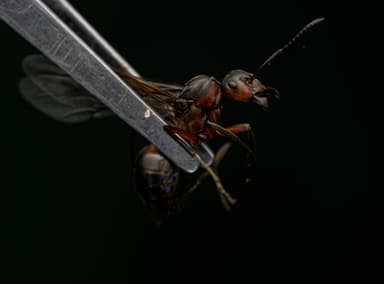
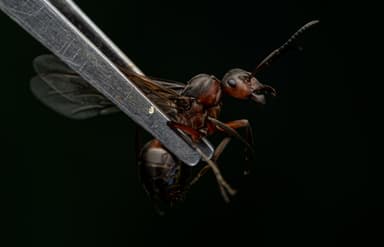
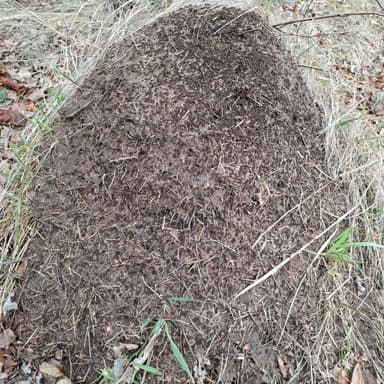
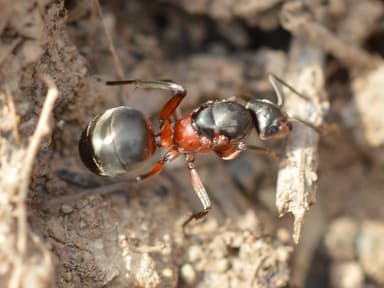
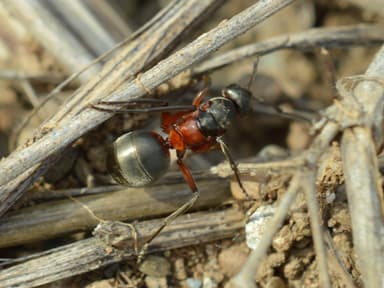
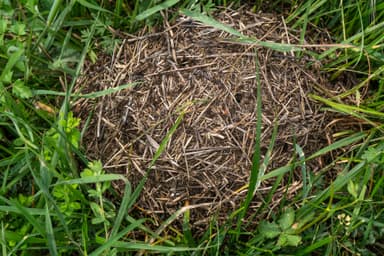
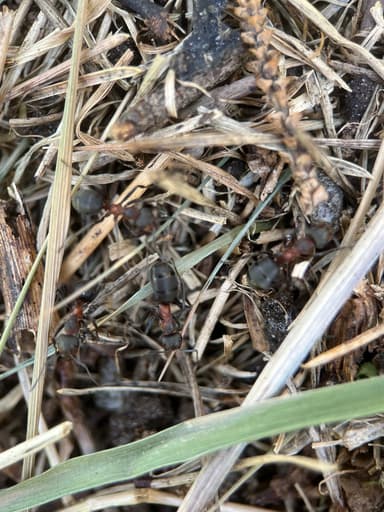
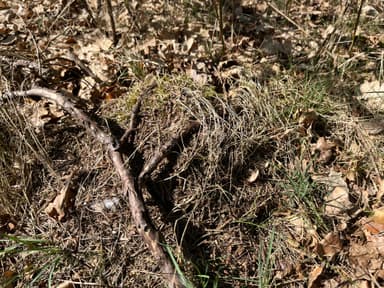
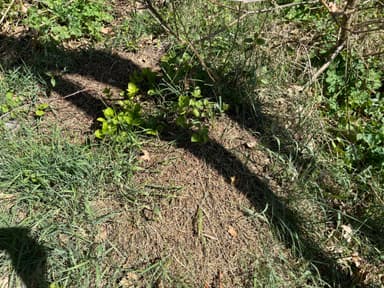
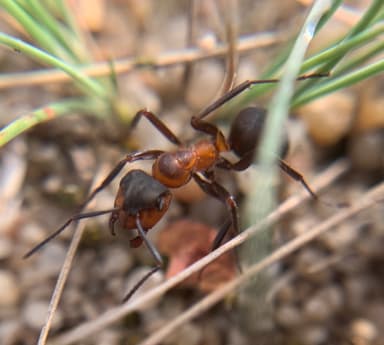
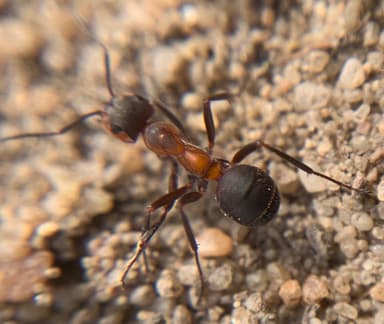
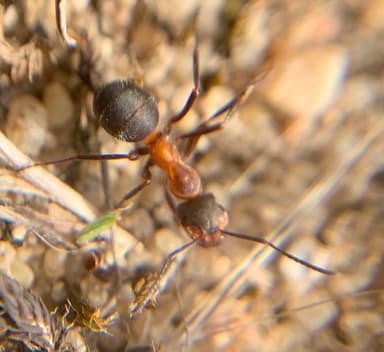
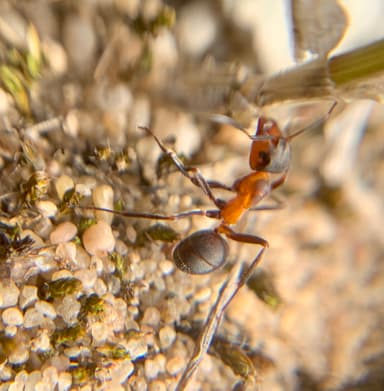
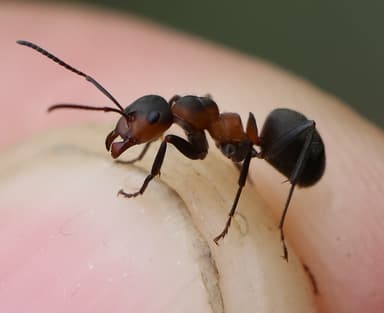
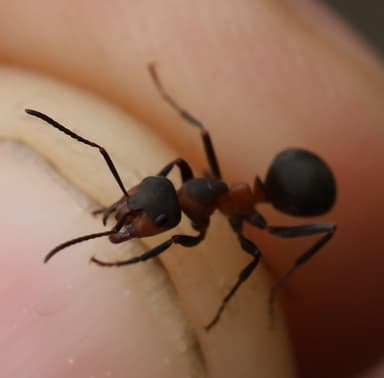
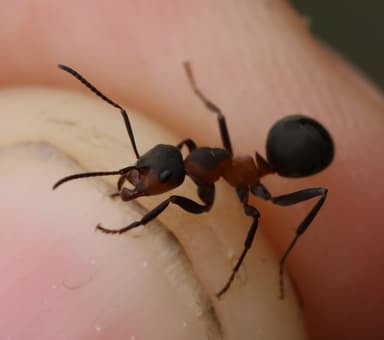
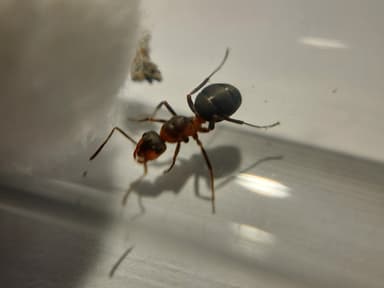
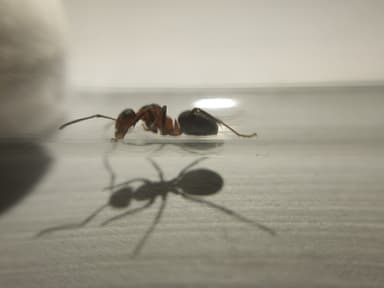
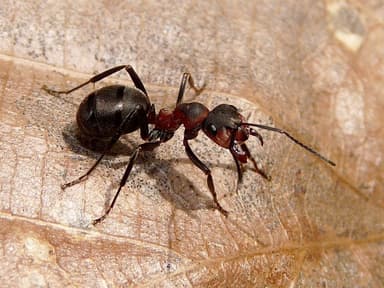
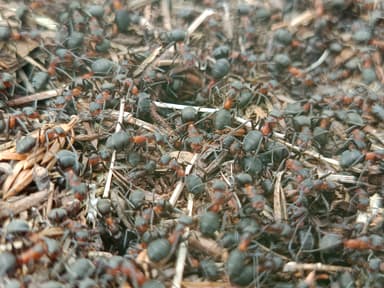
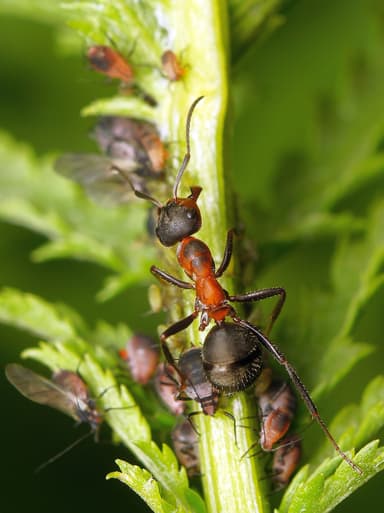
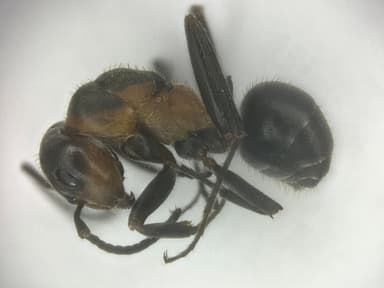
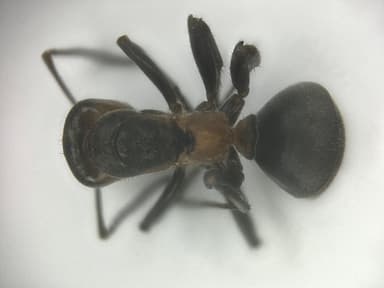
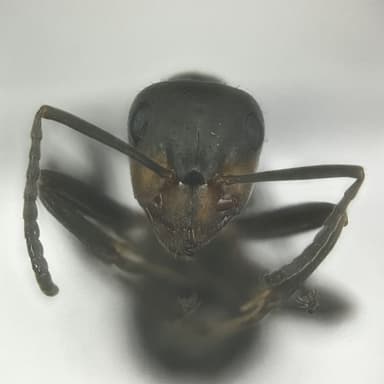
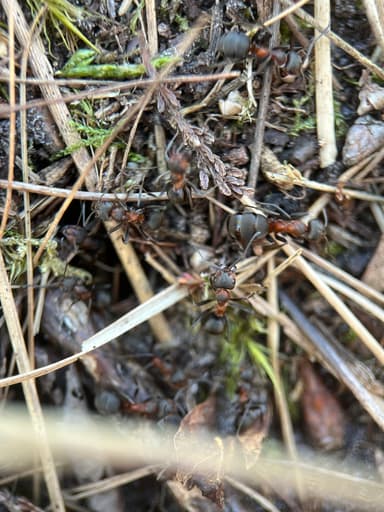
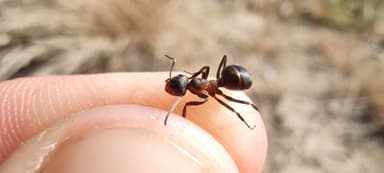
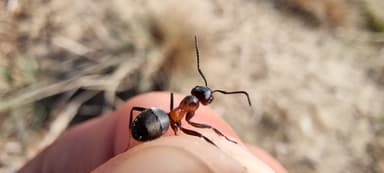
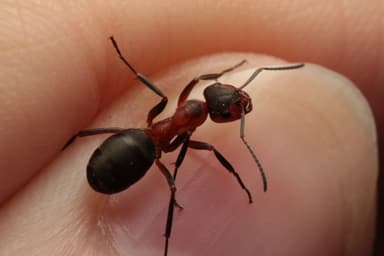
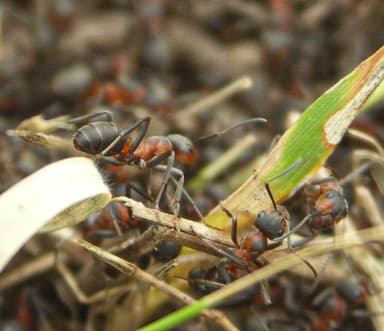
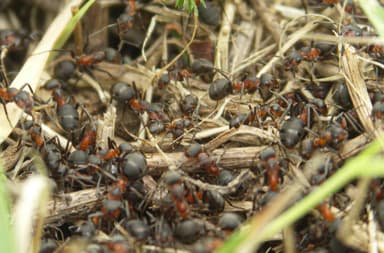
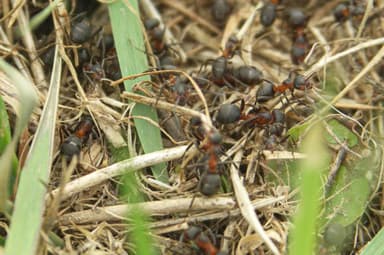
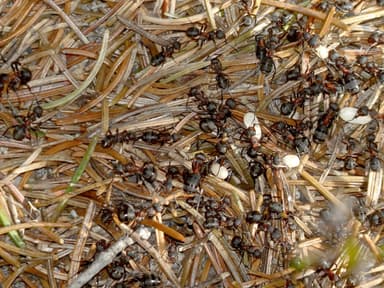
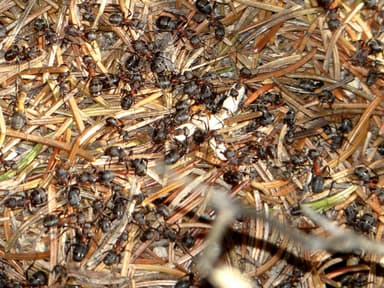
Formica pratensis, often called the black-backed meadow ant or simply the European wood ant, is a magnificent and demanding species that captures the imagination of seasoned ant keepers. The queens are robust, measuring between 9.5 and 11.5 mm, while the workers display a striking polymorphism, ranging from petite 4.5 mm minors to formidable 9.5 mm majors that serve as the colony’s defenders and heavy lifters (Seifert 2018). Their appearance is typical of the Formica rufa group: a bicoloured body with a reddish-brown head and thorax contrasting against a dark, polished gaster, often adorned with a black dorsal patch. Mature colonies are genuine superorganisms, potentially numbering half a million individuals and constructing large, sun-warmed thatch mounds from plant debris. What truly sets this ant apart for the enthusiast is its complex social-parasitic founding strategy and its enormous colony size, rewarding the dedicated keeper with a spectacle of mass foraging and intricate nest architecture rarely matched in captivity.
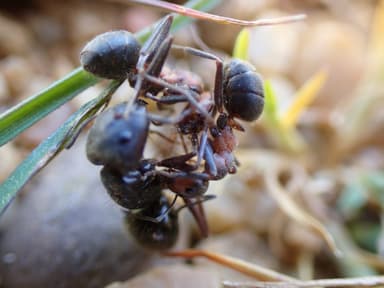
This species is decidedly an expert-level commitment, suited only for those who have mastered the nuances of ant husbandry. The difficulty does not lie in day-to-day maintenance of an established colony so much as in the delicate founding phase and the sheer spatial and dietary demands of a burgeoning population. A newly mated queen must be introduced to a host colony, typically of a serviformica species like Formica fusca or Formica lemani, where she will usurp the resident queen and co-opt the workers through a blend of chemical mimicry and aggression (Czechowski et al. 2002). This process requires careful timing, donor colonies, and often heartbreak—lost queens or rejected introductions are common. Even after successful integration, the colony’s exponential growth means the keeper must constantly plan for larger, secure setups. Because a mature colony cannot be easily contained in a standard formicarium, you are making a decade-long investment in a living, breathing biomass that demands space, escape-proofing, and a generous budget for food.
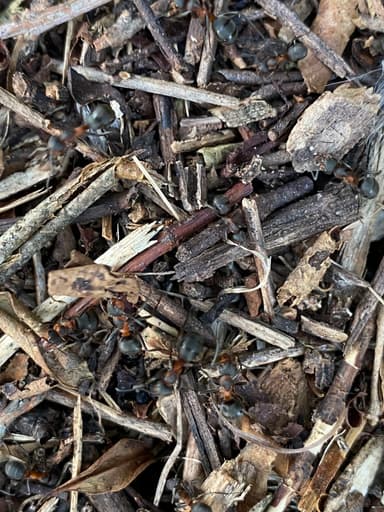
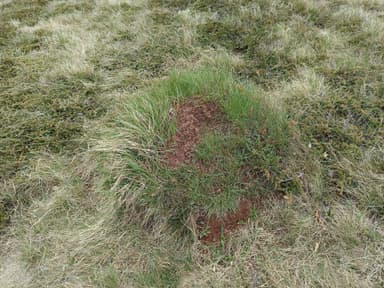
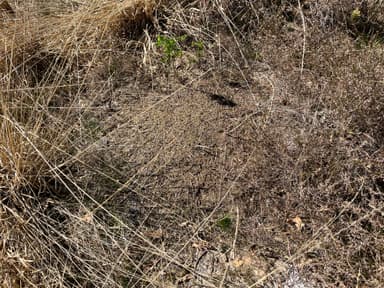
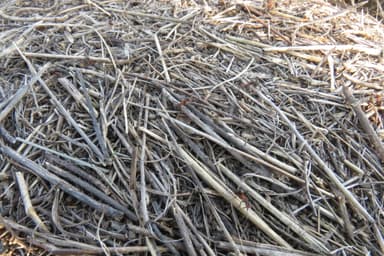
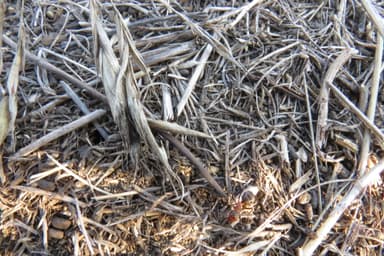
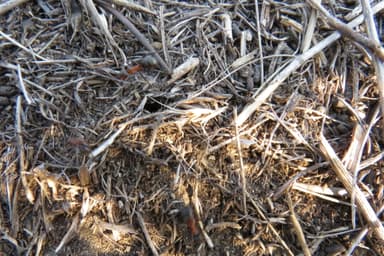
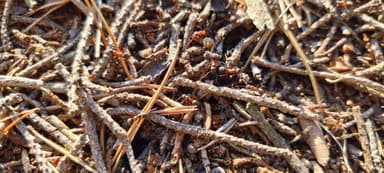
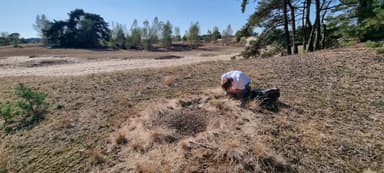
Housing Formica pratensis requires a formicarium that mimics their natural mound-building behaviour and accommodates their huge population. A large glass terrarium or a custom-built naturalistic setup works best, with ample floor space for foraging and a deep basin for the nest. These ants construct a thatch mound from twigs, pine needles, and dry grass, which they actively maintain to regulate internal temperature and humidity; therefore, provide a generous layer of chemical-free natural substrate like fine bark, straw, and conifer litter as building materials. The temperature inside the nest should be kept between 18 and 28°C, with a warmer hotspot encouraging brood development, while the ambient humidity in the nest chamber (not the entire airspace) should hover between 50% and 70%. A gradient is ideal—place a gentle heat source at one end of the nest area and allow the ants to move their brood to the preferred zone. Keep the foraging arena drier and well-ventilated to prevent mould and mite outbreaks. Because these ants are avid climbers and explorative, a tight-fitting lid with a fluon or oil barrier is non-negotiable.
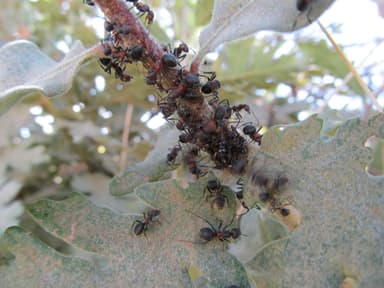
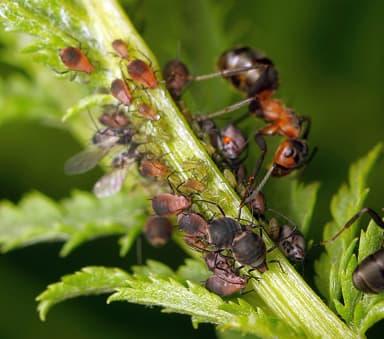
Feeding a colony of this potential scale is not for the faint of heart. Formica pratensis is an aggressive predator and a devoted tenders of aphids. In captivity, provide a constant supply of protein from fresh-killed or frozen-thawed insects such as crickets, mealworms, and fruit flies, ensuring no pesticides are present. The demand for carbohydrates is equally relentless; a liquid feeder with diluted honey, sugar water, or artificial honeydew solution will be emptied rapidly once the colony reaches the thousands. Fresh water is essential, ideally offered through a test tube setup or a sponge-soaked waterer that minimizes drowning. As the colony expands, you will shift from feeding a few insects weekly to providing a steady stream of nutrition almost daily. A calcium supplement dusted on prey insects can also be beneficial, as these ants have been observed carrying small snail shells into their mounds in the wild (Seifert 2018), likely to maintain calcium levels for brood production.
Yearly hibernation is not optional for Formica pratensis; it is a physiological requirement that resets the colony’s biological clock and ensures queen fertility. The ants must be cooled to a stable temperature of around 5°C for a minimum of three to four months, typically from November to February or March, depending on your local climate. The colony must enter this dormancy gradually—reduce heating and food over a couple of weeks while ensuring the nest is humid but not soaking. A dedicated refrigerator, wine cooler, or cold cellar that maintains the target temperature without wild fluctuations is the most reliable method. Check on them periodically to ensure the water supply hasn’t dried out, but otherwise disturb them as little as possible. Gradually warm them in early spring, and you will witness the exhilarating reawakening: the queen begins laying again, and the first pale larvae appear, signaling the start of a new growth season.
The period immediately after acquiring your queen or a small founding group is the most fragile phase. If you are starting from a newly caught queen that has not yet infiltrated a host, you will need to prepare a fresh colony of a suitable Serviformica species in advance. Introduce the Formica pratensis queen into a small, darkened arena connected to the host colony, monitoring closely for aggression. Once she has subdued the host queen—a process that can take hours or days—she will be accepted by the workers and begin laying. Resist the temptation to check on her constantly; darkness and stillness are her allies. Wait at least five to seven days before offering a tiny droplet of sugar water and a pre-killed fruit fly near the nest entrance. Beware of excessive stress, which manifests as the queen ceasing to lay or the host workers attacking her. With patience and minimal interference, the first eggs will appear, and the long, rewarding journey of raising a meadow ant empire will have begun in earnest.