Formica
Formica obscuriventris
Nuptial Flight Calendar
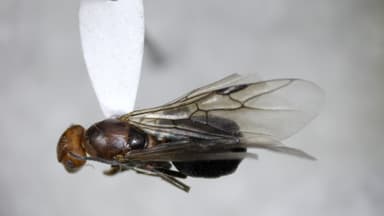
Flight months: Jun, Jul, Aug
Care Guide
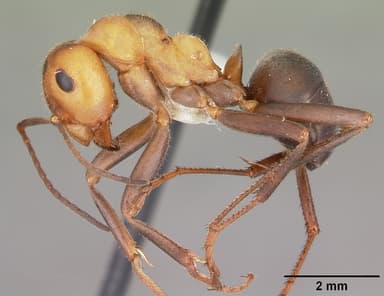
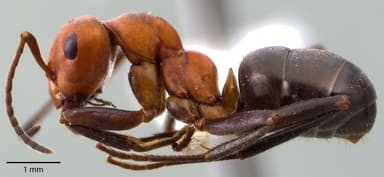
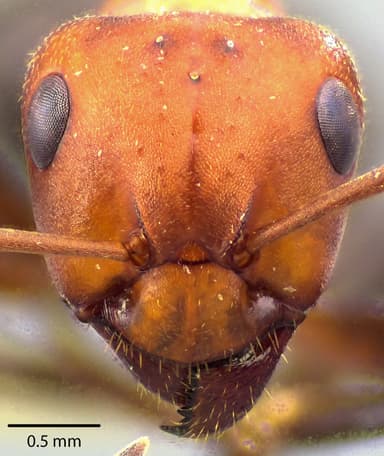
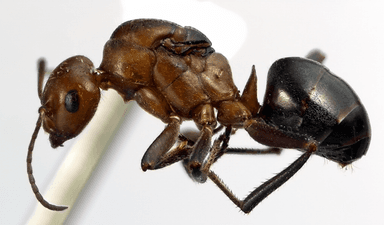
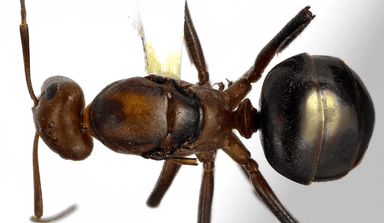
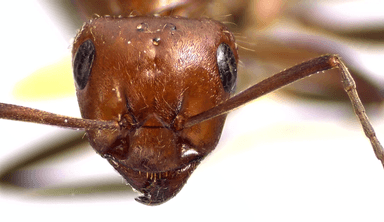
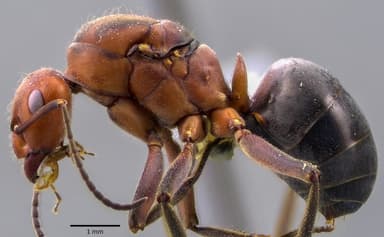
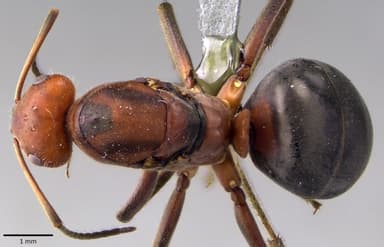
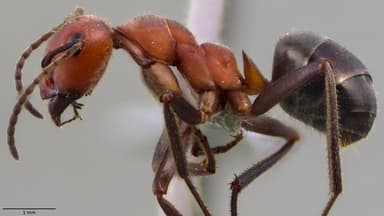
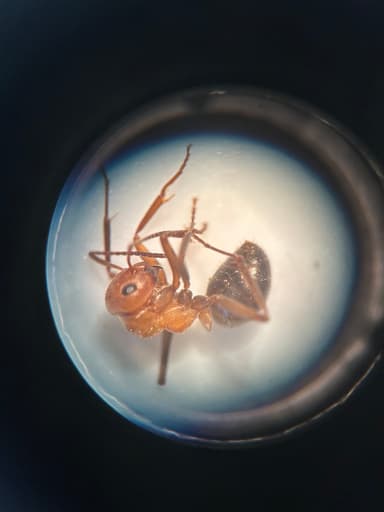
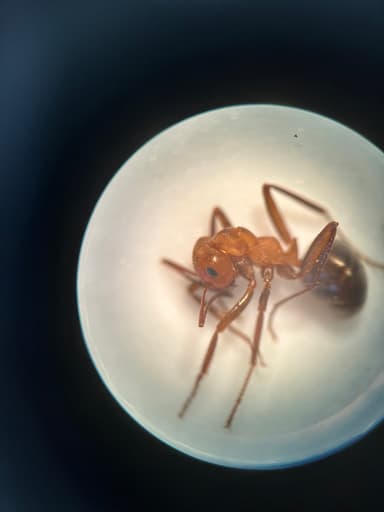
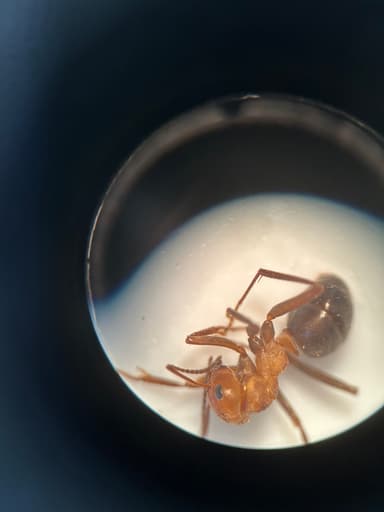
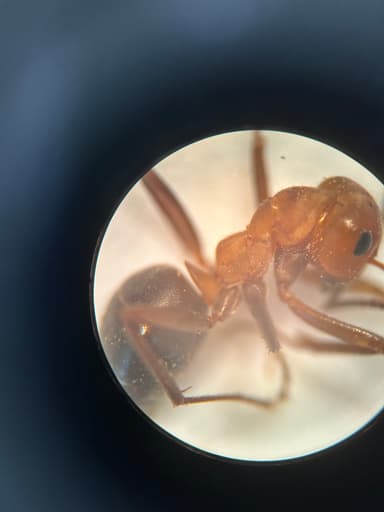
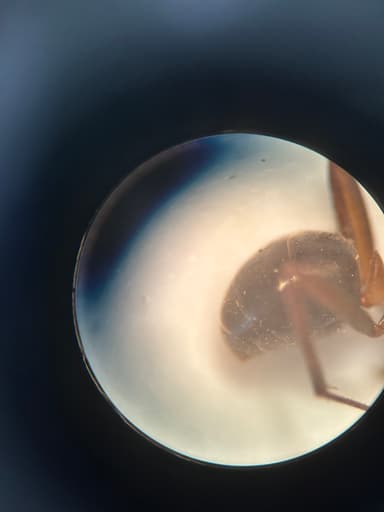
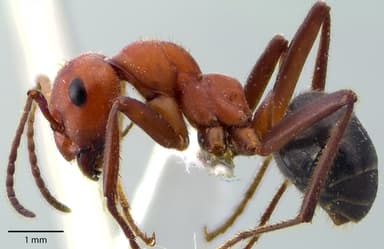
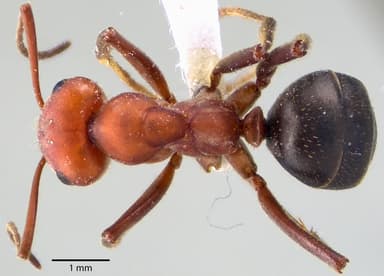
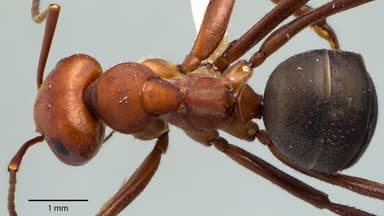
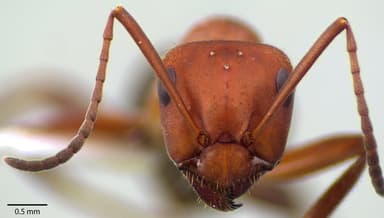
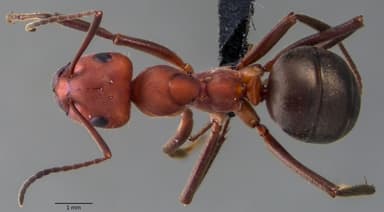
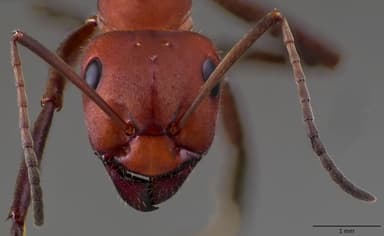
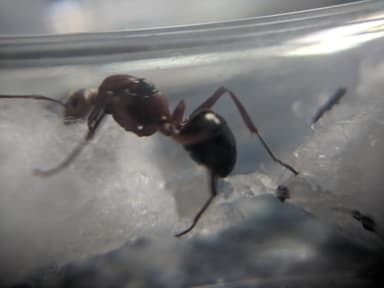
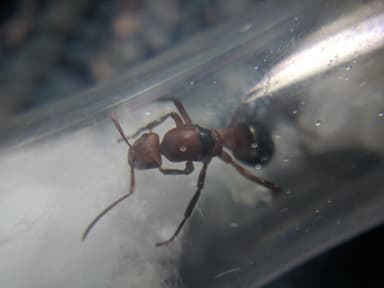
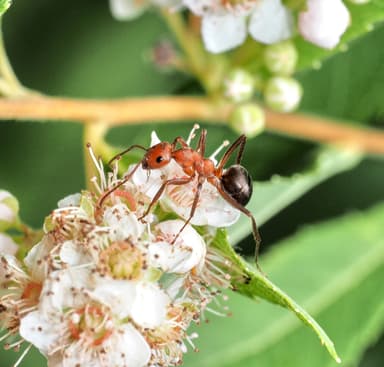
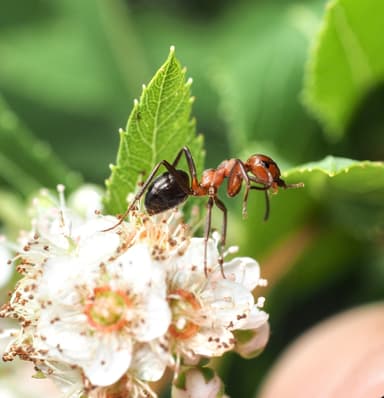
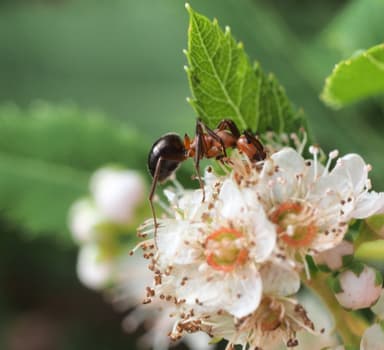
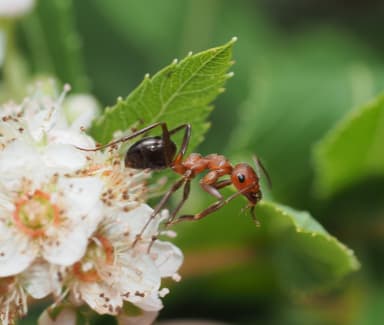
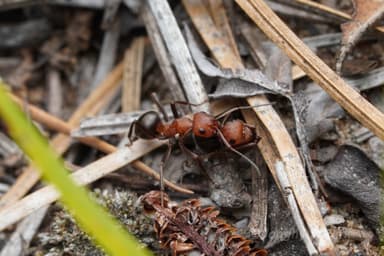
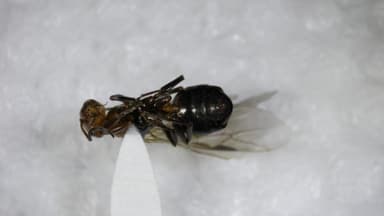
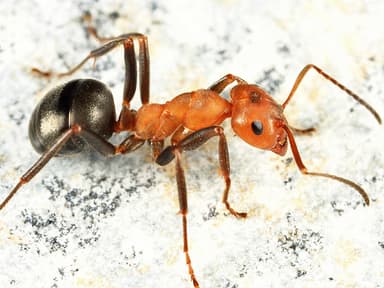
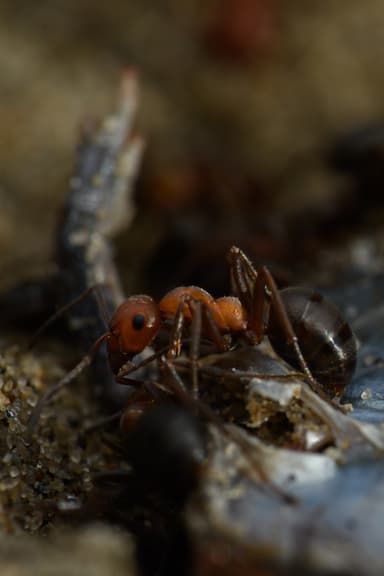
Formica obscuriventris is a striking yet secretive North American ant distinguished by its elegant bicoloration and fascinating colony dynamics. Queens measure a robust 8 to 10 millimeters, while workers display marked polymorphism, with minor workers starting around 4.5 millimeters and major workers reaching 7.5 millimeters. This physical caste differentiation, with distinct minor and major subcastes, allows the colony to efficiently divide labor between foraging, brood care, and defense. Mature colonies can swell to an impressive 10,000 individuals, bustling with activity yet maintaining a remarkable cohesion. What truly sets this species apart, however, is its mode of reproduction: it is a social parasite. Newly mated queens cannot found a colony alone; they must infiltrate an existing host nest—typically another Formica species—usurp the resident queen, and co-opt the host workers to raise her first brood. This strategy, while daunting for the keeper, makes observing the colony’s eventual transition to a pure F. obscuriventris workforce a uniquely rewarding experience. Taxonomically, this ant belongs to the fusca group and was revised in the seminal works of Wheeler (1913) and Francoeur (1973), which clarified its identity among the many closely related Formica species.
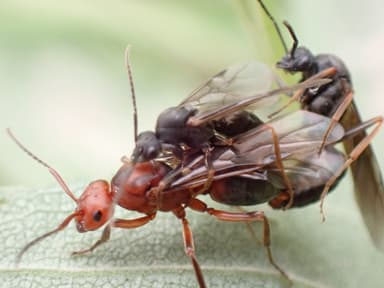
Given its social parasitic founding, the care difficulty is firmly classed as expert, and this ant is not recommended for beginners or even intermediate keepers without prior experience with parasitic species. The challenge lies in the initial founding stage: a deälated queen is almost impossible to start alone, so most colonies offered for sale already include a small host worker population, typically Formica subsericea or a similar species. Even then, the colony requires precise environmental conditions and a keeper who can read subtle signs of stress during the months-long integration. Nuptial flights of F. obscuriventris occur in the afternoon warmth of July and August, triggered by bright sunny conditions after recent rains (GBIF occurrence data), which means that if you are lucky enough to capture a mated queen, you must immediately understand the parasitic protocol. The payoff, however, is a large, active, and endlessly fascinating colony that exhibits complex behaviors, but only the most dedicated and well-prepared ant keepers should attempt this species.
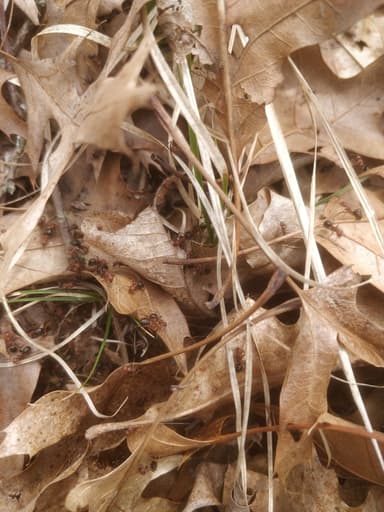
Housing F. obscuriventris demands careful environmental control. While they can adapt to various formicarium designs, a setup that provides a gradual moisture gradient is ideal, as these ants prefer moderate humidity between 50 and 70 percent. A plaster or ytong nest with a dedicated hydration chamber works excellently, paired with a sandy or soil-based foraging arena that mimics their natural woodland floor habitat. Temperature should be kept between 18 and 28 degrees Celsius, best achieved with a heating cable or mat placed against one side of the nest, creating a thermal gradient so the colony can self-regulate. This gradient is especially beneficial for brood development, and workers will move larvae to warmer or cooler chambers as needed. Avoid sudden temperature spikes or direct sunlight on the nest area, as this can cause lethal condensation. Given their natural range stretching from the southern United States well into Canada (as far north as 60° latitude), they are resilient within their comfort zone but react poorly to stagnant, overly humid conditions without adequate ventilation.
In the wild, F. obscuriventris forages for both protein-rich prey and sugary honeydew. A varied diet is key to a thriving colony. Offer protein sources such as freshly killed fruit flies, small crickets, or mealworm pieces two to three times a week, ensuring all items are free of pesticides. For carbohydrates, a small dish of diluted honey, maple syrup, or a specialized ant nectar will be enthusiastically accepted; replace these regularly to prevent spoilage. A constant supply of fresh water, either via a test tube setup or a water tower in the outworld, is essential, as dehydration is a common cause of early colony failure. These ants are vigorous foragers, and you will quickly learn their appetite—if protein is left uneaten after a day, reduce the portion to keep the nest clean. Minor workers tend to handle most collection duties, while the larger majors may tackle tougher prey or assist in nest defense, a testament to their polymorphic efficiency.
A mandatory hibernation period is non-negotiable for the long-term health of your F. obscuriventris colony. In their native regions, these ants experience a cold winter diapause, and without it, the queen will cease laying eggs and the colony will decline and eventually perish. The target hibernation temperature is 5 degrees Celsius, which should be maintained for at least three to four months, typically from November to March. Transition the colony gradually: reduce feeding over a fortnight, then move them to a cool basement, wine cooler, or specialized ant hibernation unit. Monitor the temperature carefully, never allowing it to drop below freezing or fluctuate wildly. During diapause the ants will cluster together, movement will be minimal, and no food is needed—but ensure a small water source remains available to prevent dessication. A proper, uninterrupted hibernation will synchronize the colony’s internal rhythms and trigger a robust burst of brood production come spring, truly the highlight of the keeping year.
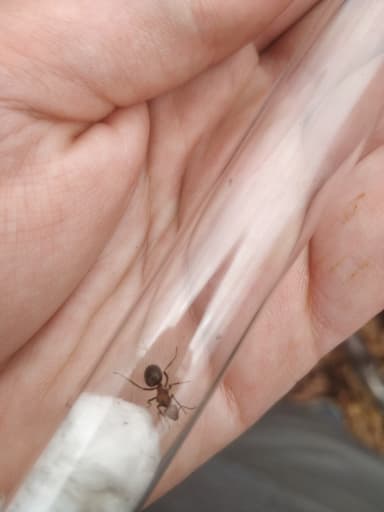
When you first receive your purchased F. obscuriventris colony, allow them to settle undisturbed for the first 24 hours in a dim, quiet location. The colony will likely arrive in a test tube with the queen, host workers, and possibly a small patch of brood. Carefully attach the tube to the prepared formicarium and let them explore on their own terms. For the first feeding, offer a tiny drop of sugar water on a piece of foil placed right at the tube opening, and a pre-killed fruit fly. Patience is paramount: watch for the queen’s condition—she should remain calm and surrounded by attentive workers. If you observe persistent aggression toward the queen or excessive alarm behavior, check humidity and vibration levels, but typical settling takes a week or two. Over the following months, you will witness a slow but steady replacement of the original host workers with genuine F. obscuriventris individuals, a process that is the ultimate reward for your expert care.