Formica
Formica exsecta
Nuptial Flight Calendar
Flight months: Jun, Jul, Aug
Care Guide
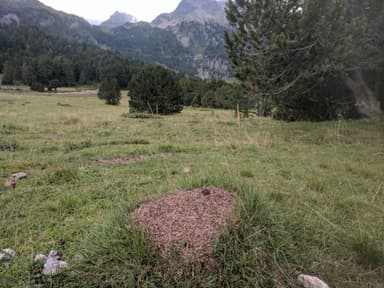
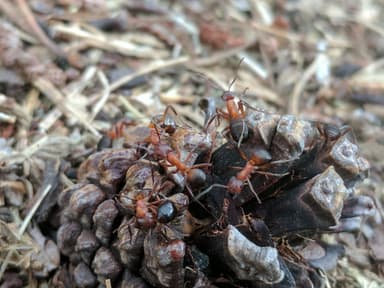
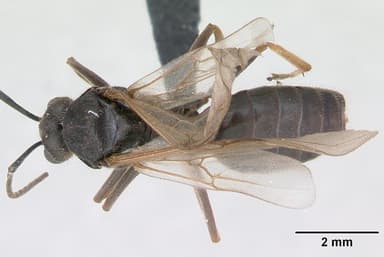
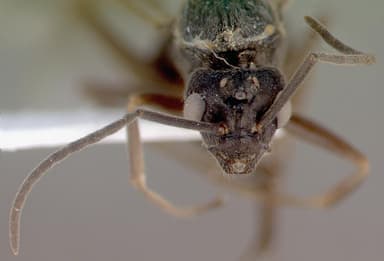
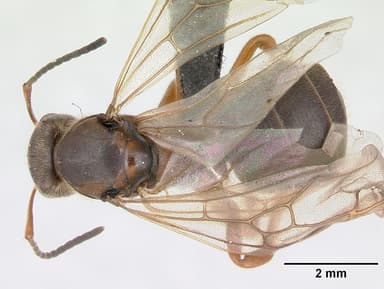
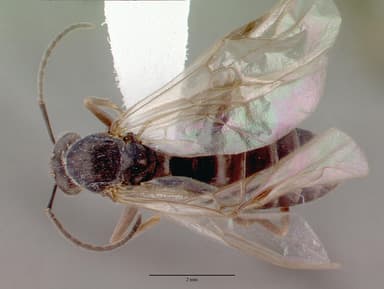
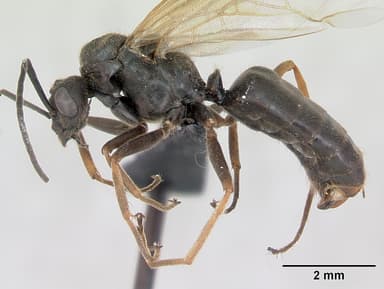
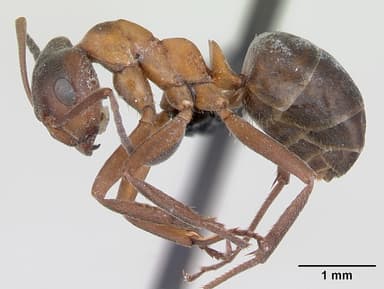
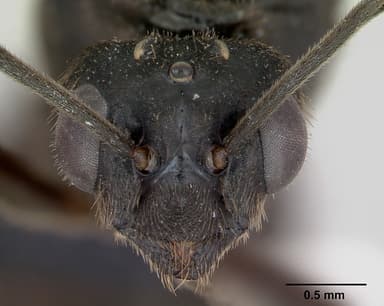
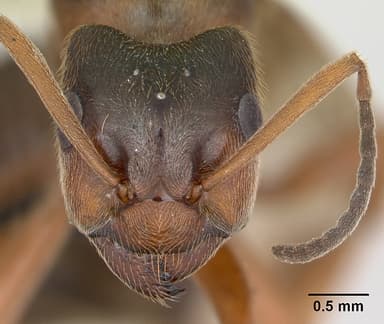
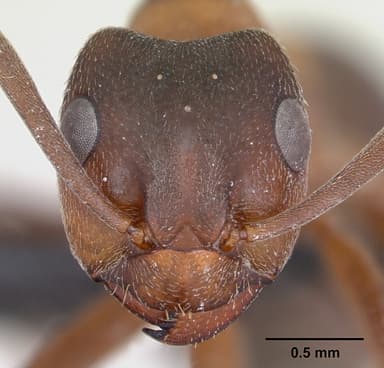
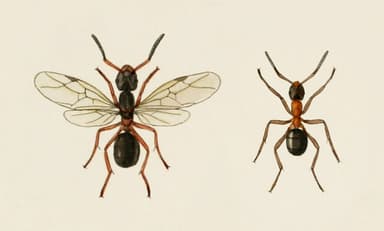
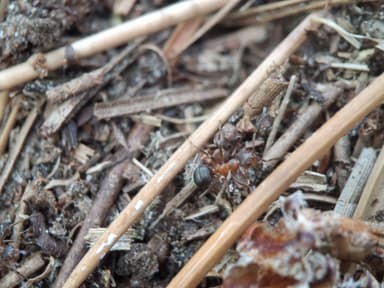
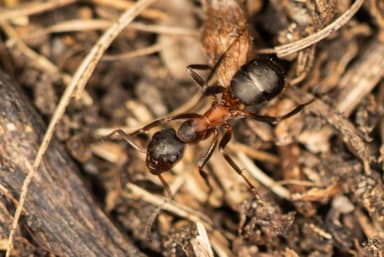
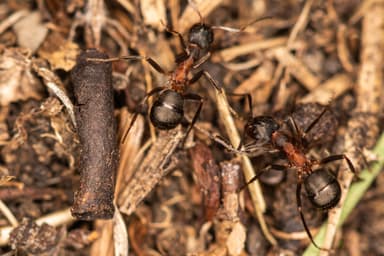
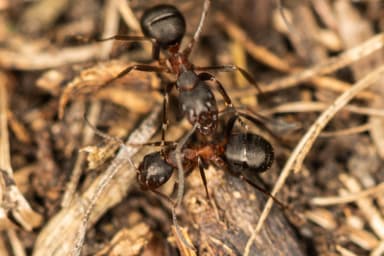
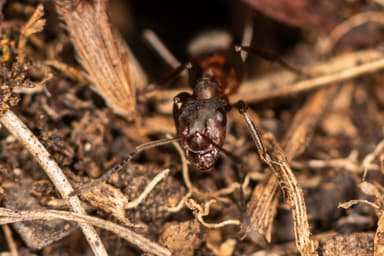
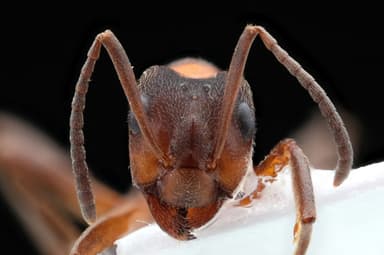
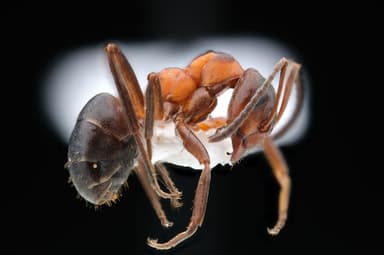
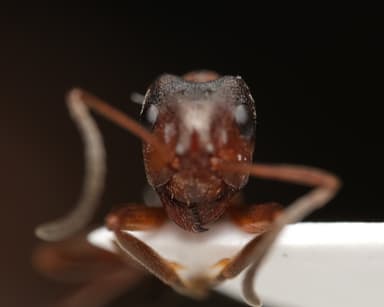
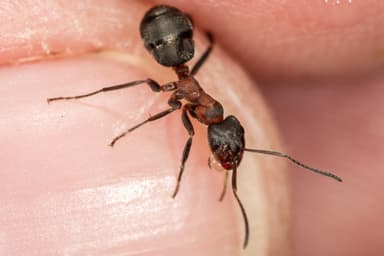
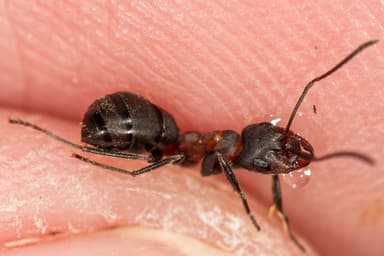
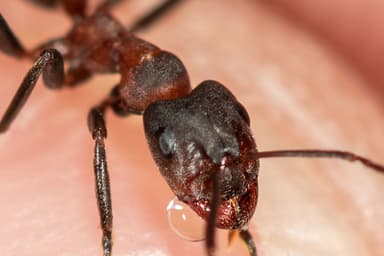
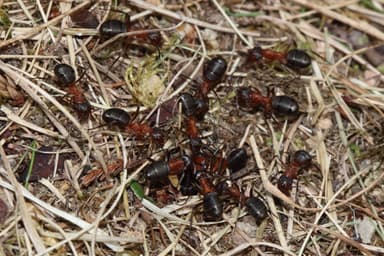
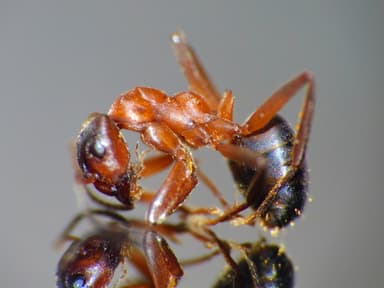
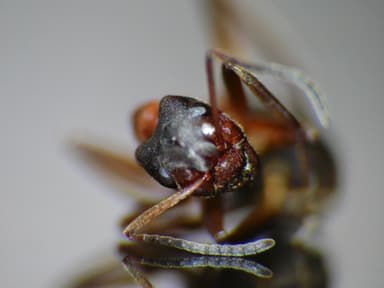
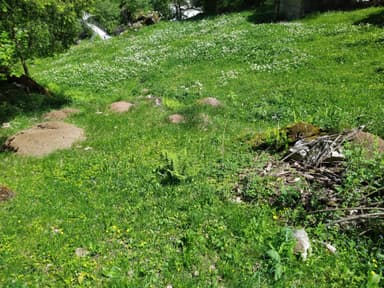
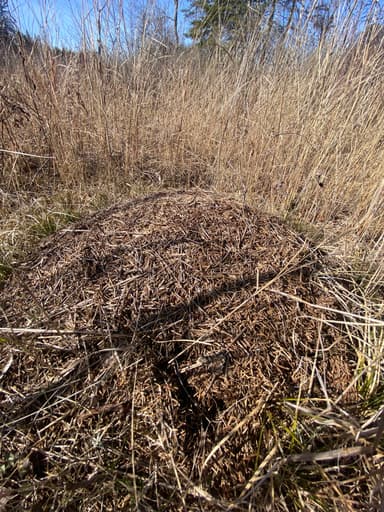
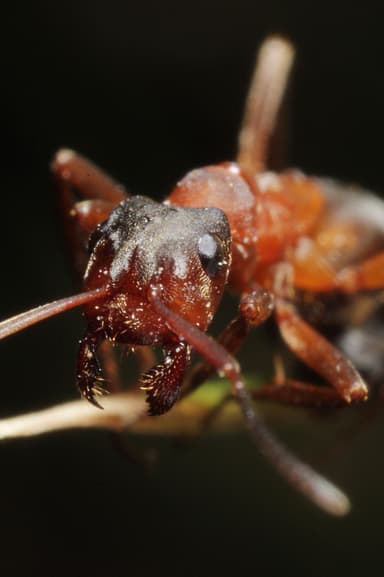
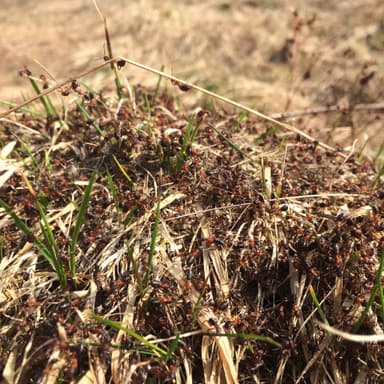
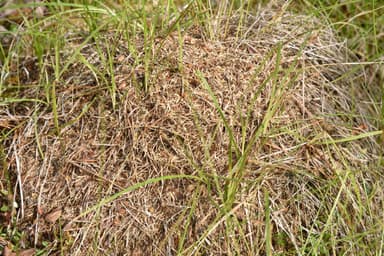
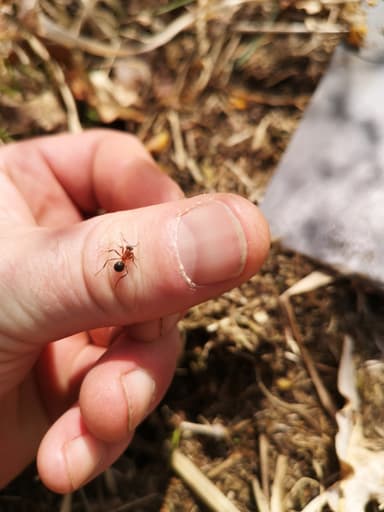
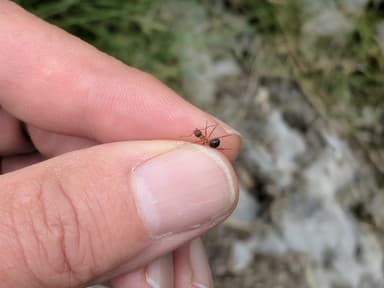
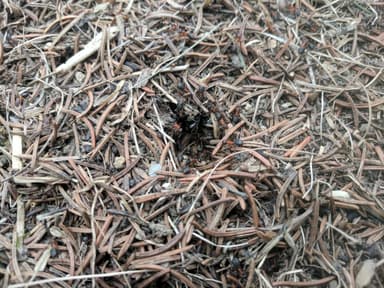
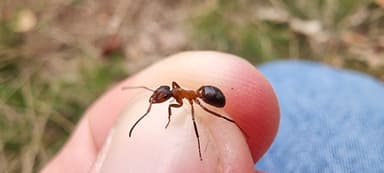
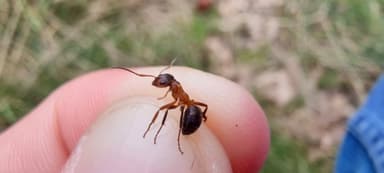
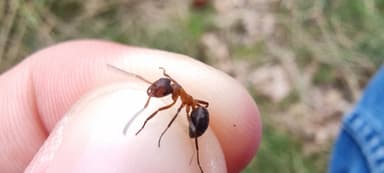
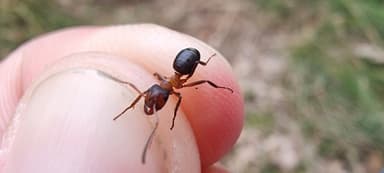
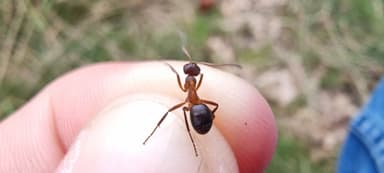
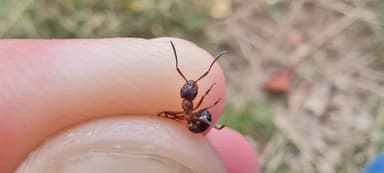
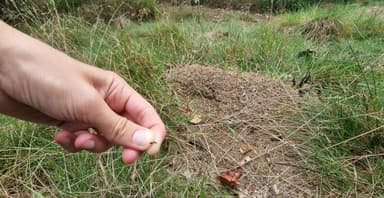
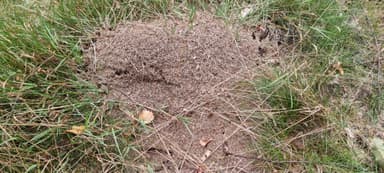
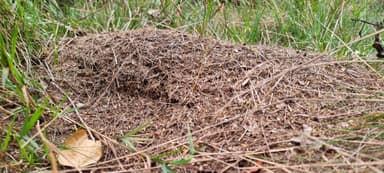
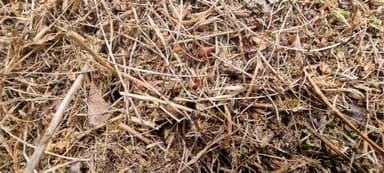
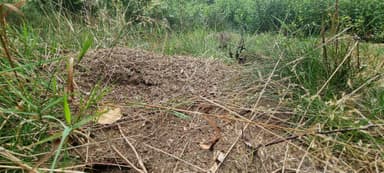
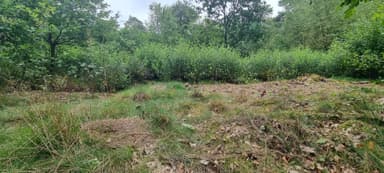
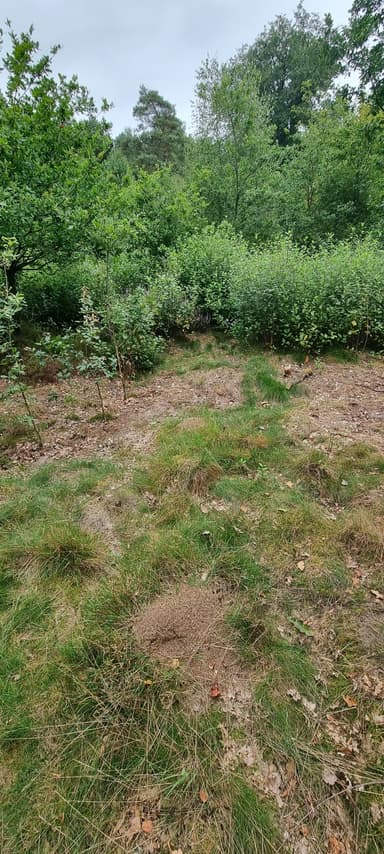
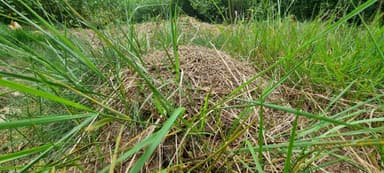
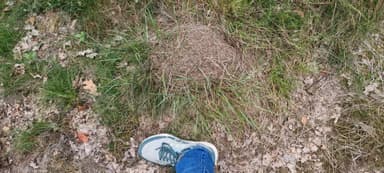
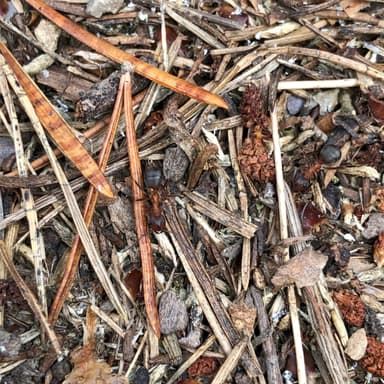
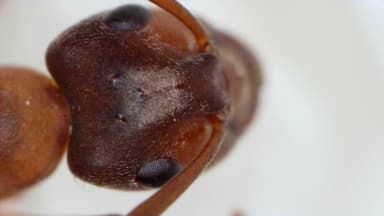
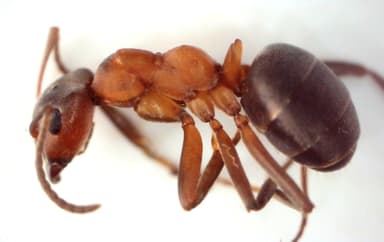
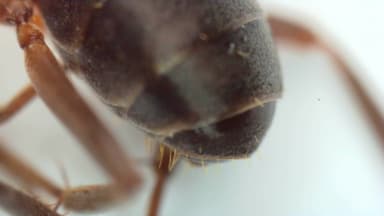
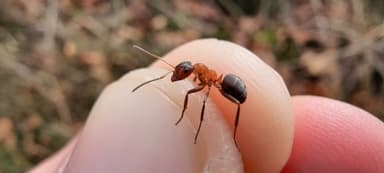
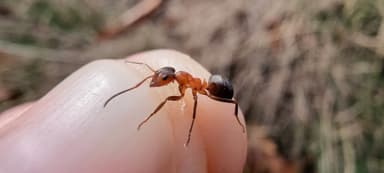
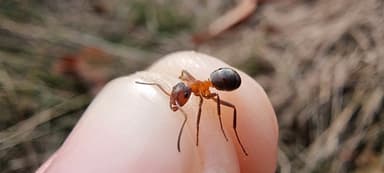
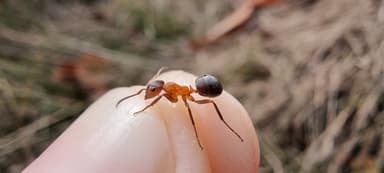
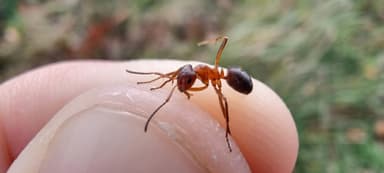
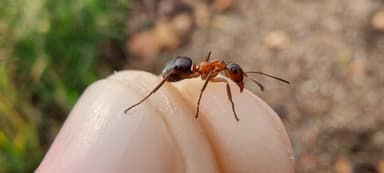
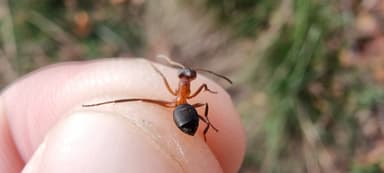
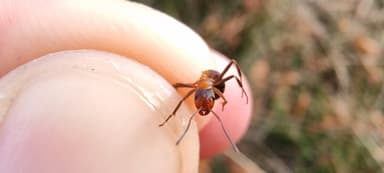
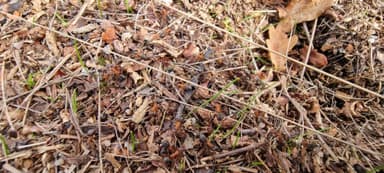
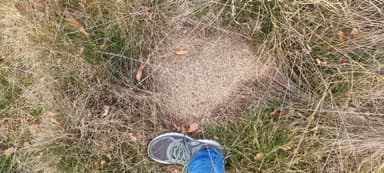
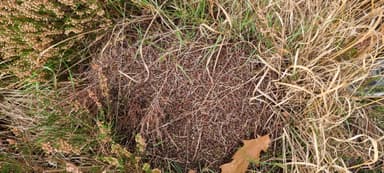
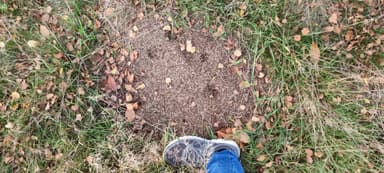
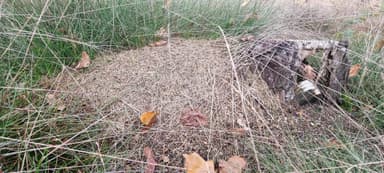
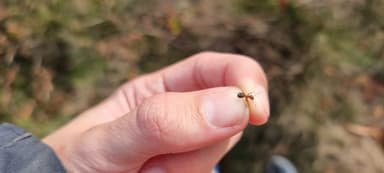
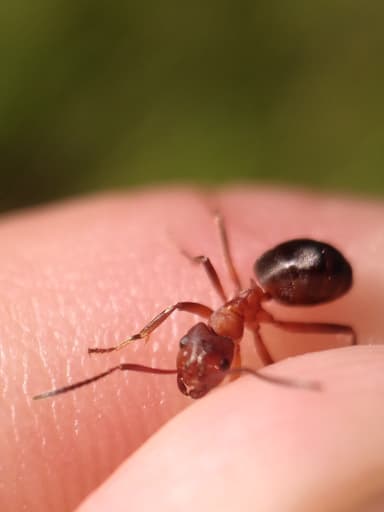
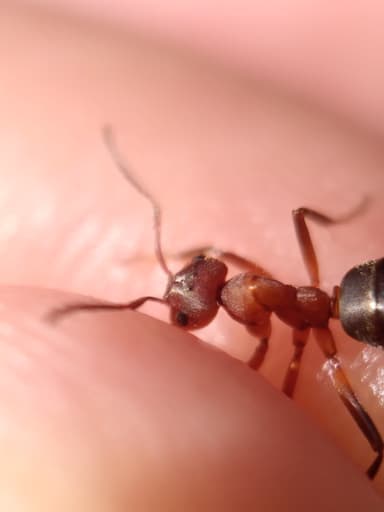
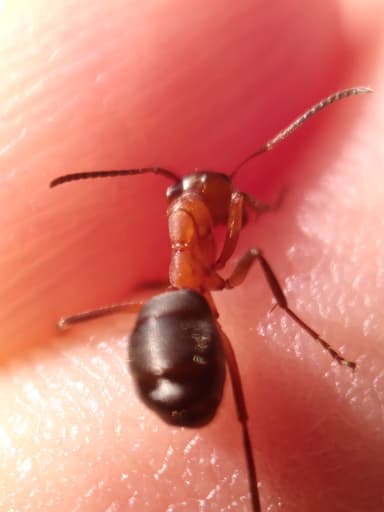
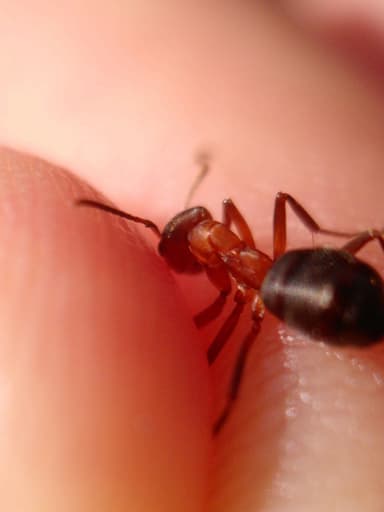
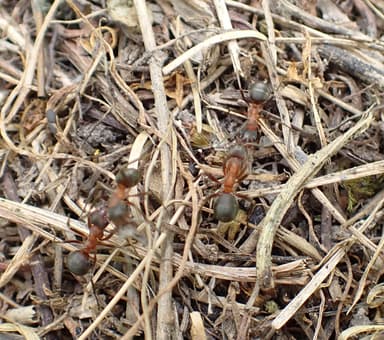
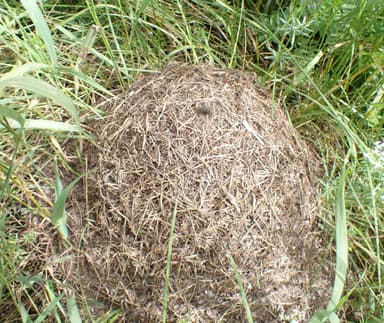
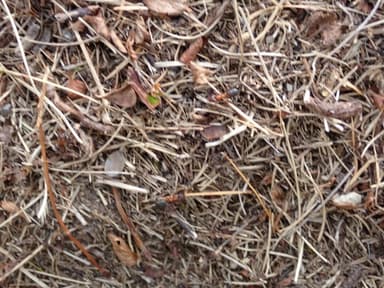
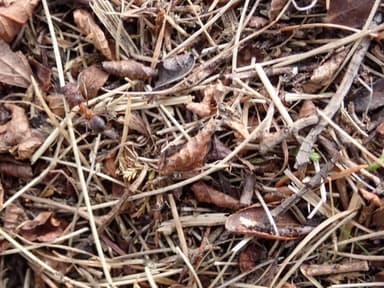
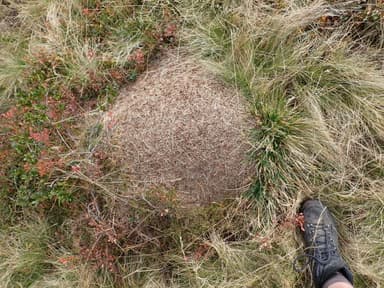
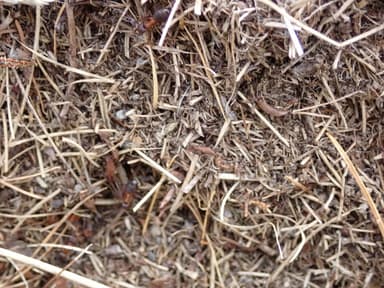
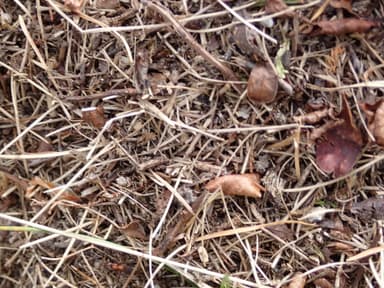
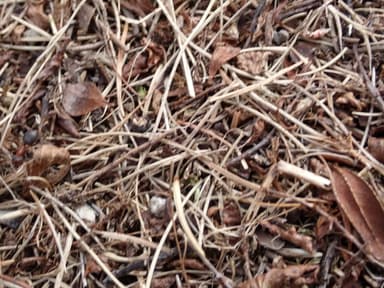
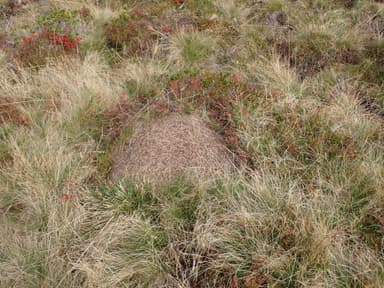
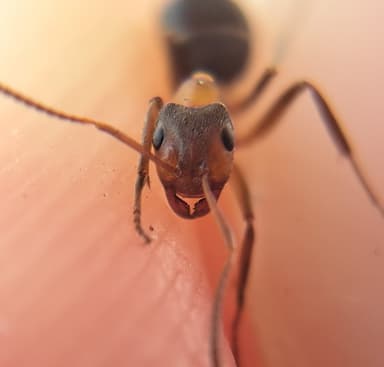
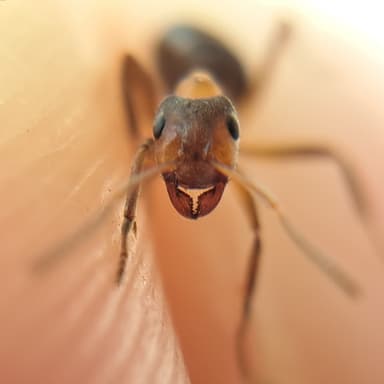
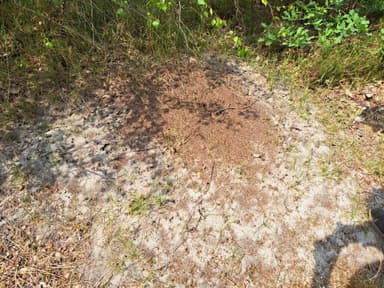
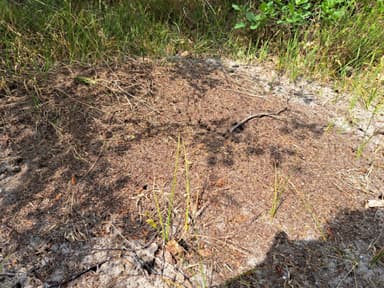
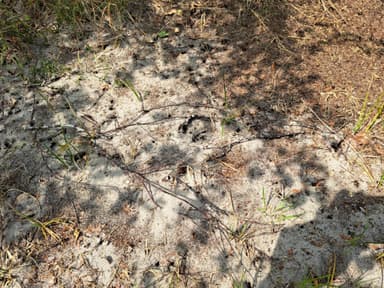
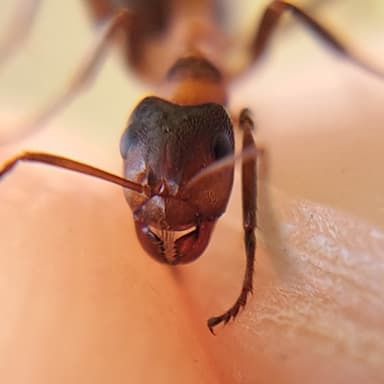
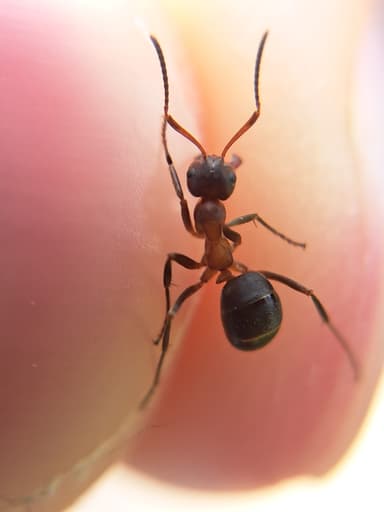
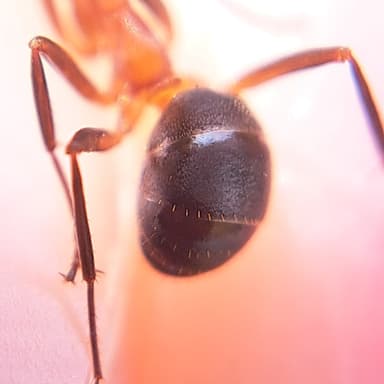
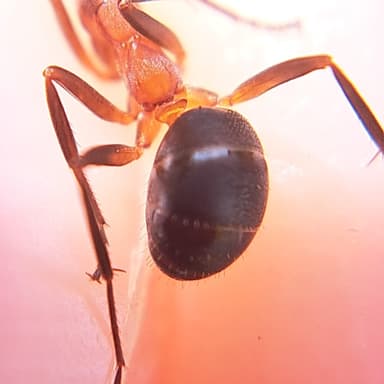
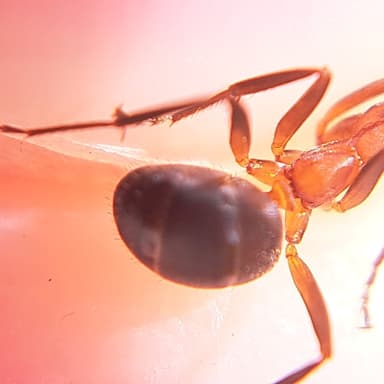
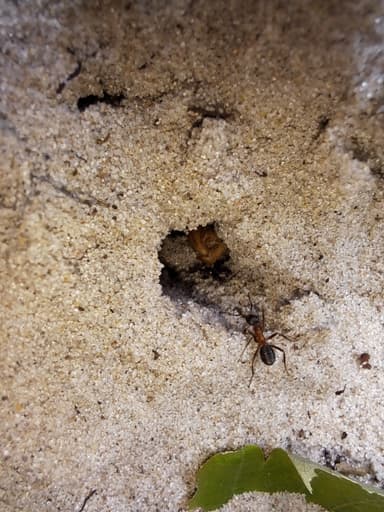
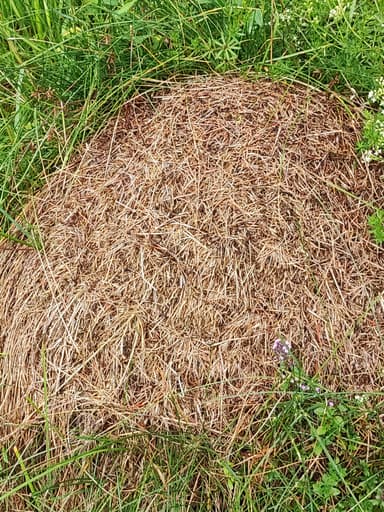
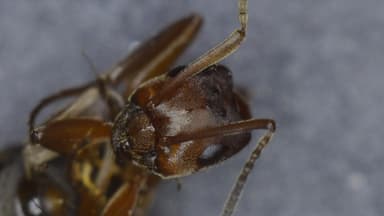
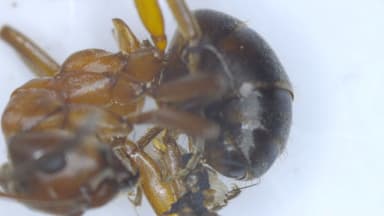
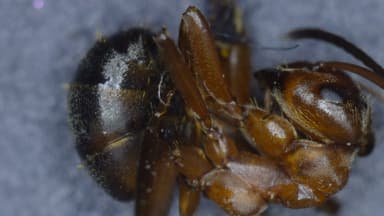
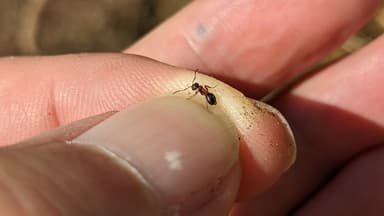
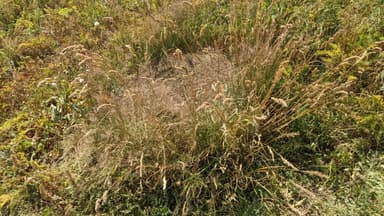
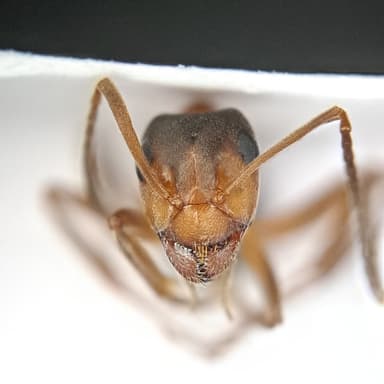
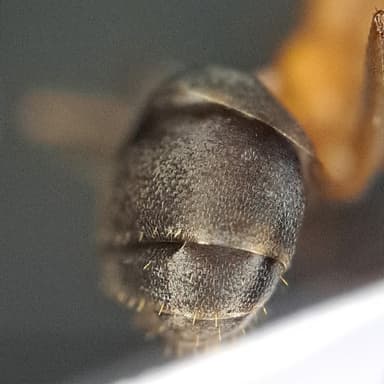
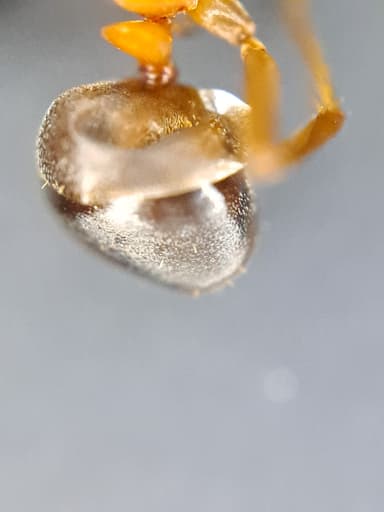
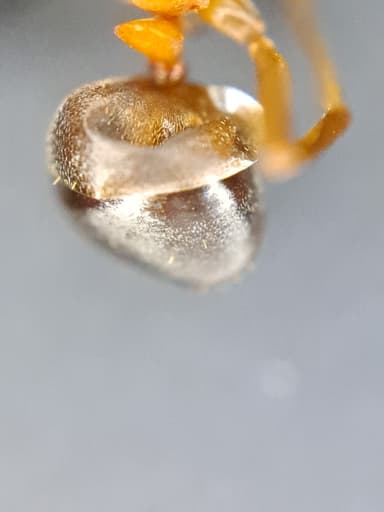
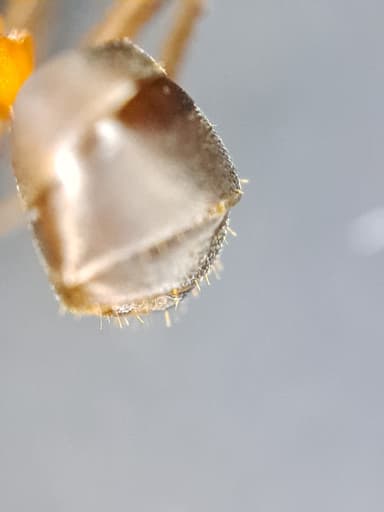
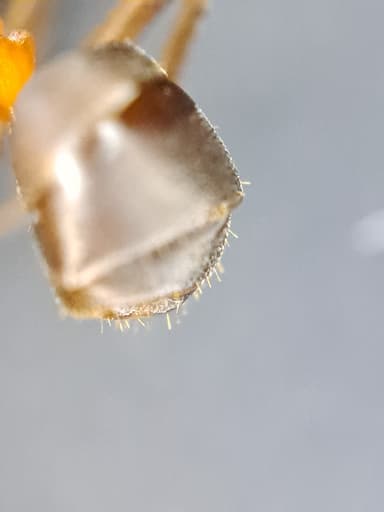
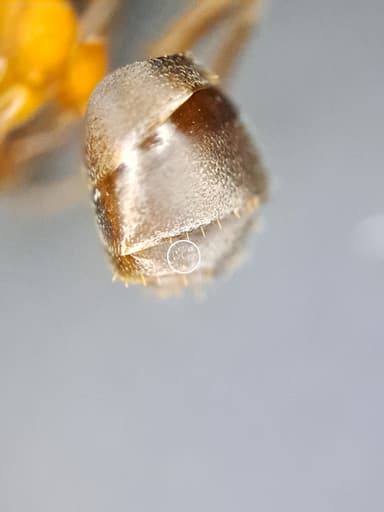
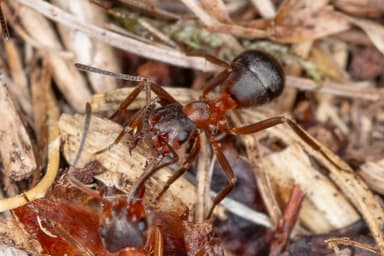
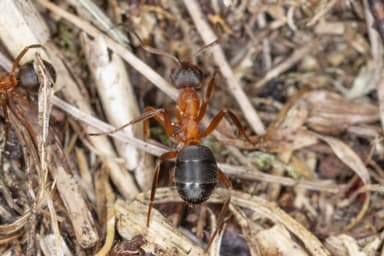
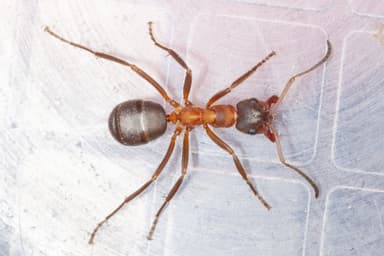
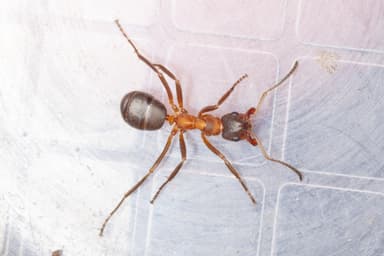
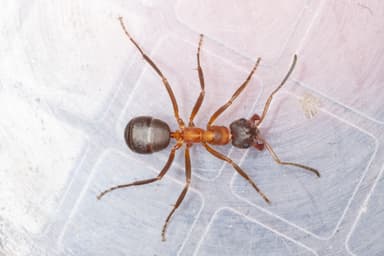
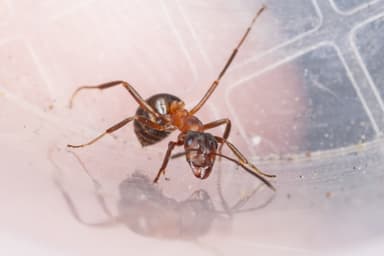
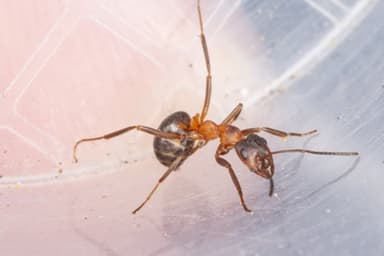
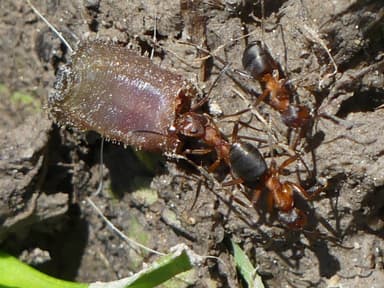
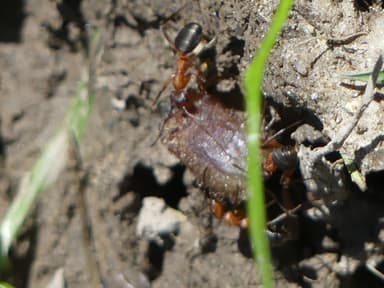
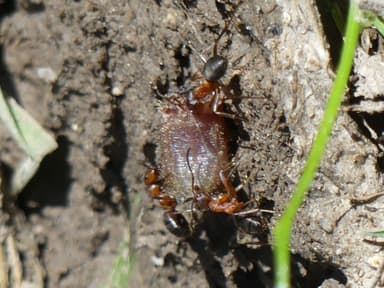
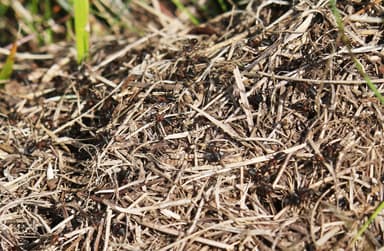
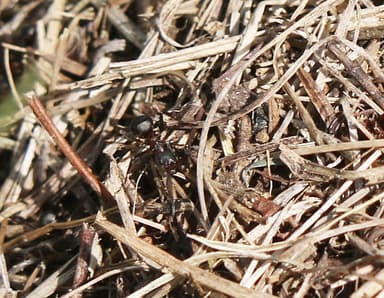
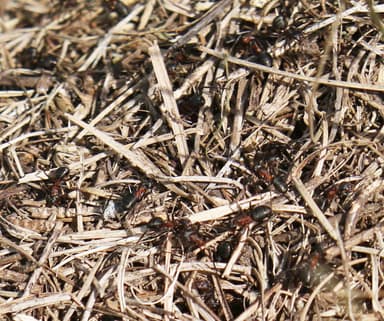
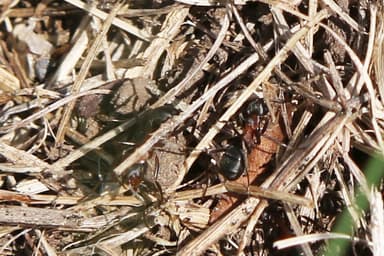
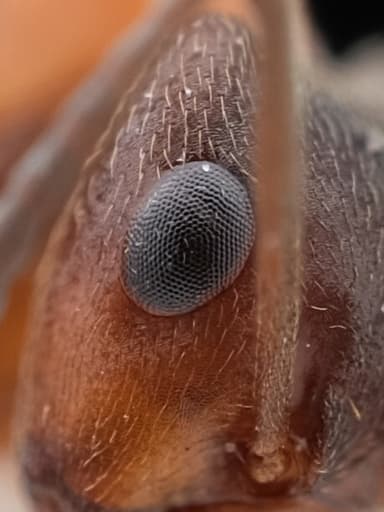
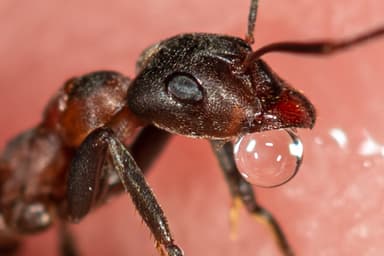
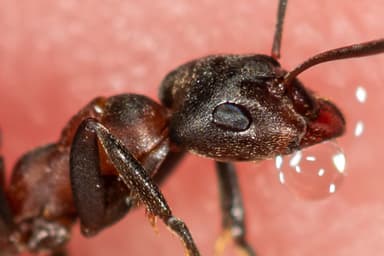
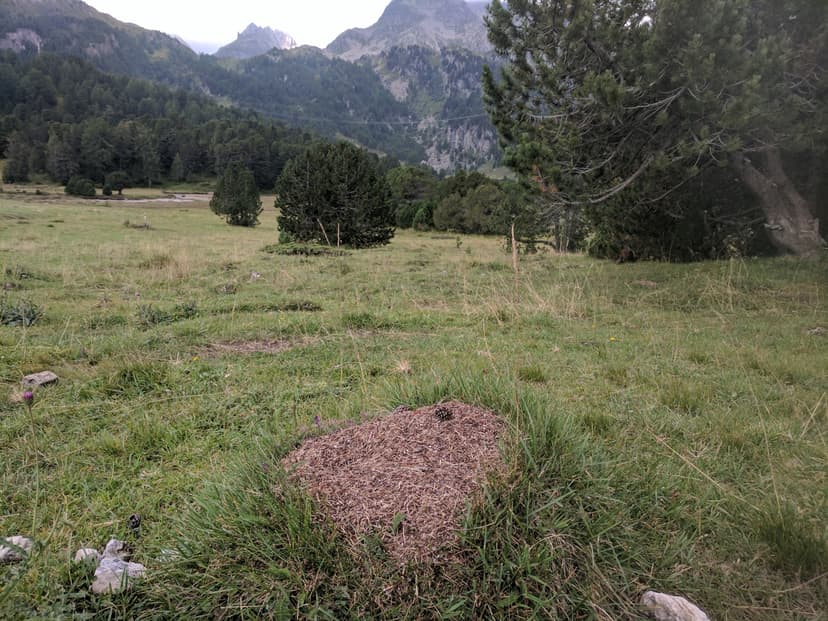
Formica exsecta, the narrow-headed ant, is a fascinating yet demanding species that represents the pinnacle of mound-building wood ants in the palearctic. These elegant insects are instantly recognisable by the deeply notched clypeus and the silky sheen of their gasters, with workers measuring 4.5 to 7.5 mm and queens a noticeably more robust 6.5 to 9 mm. As a monomorphic species with only a single worker caste, they lack the physical soldier subcastes of some tropical ants, yet their social sophistication more than compensates. In nature, a mature colony can swell to an astonishing half a million workers, constructing sprawling thatch mounds of twigs, pine needles, and soil that can persist for decades and are often grazed by the caterpillars of the scarce large blue butterfly. The distribution of F. exsecta stretches in a vast boreal band from Spain and the British Isles right across to eastern Siberia and Japan (Seifert 2000), favouring warm clearings within coniferous forests and heathlands. What truly sets them apart for the obsessed myrmecologist, however, is their mode of founding: they are obligate social parasites, meaning a newly mated queen cannot raise a colony alone but must infiltrate an existing nest of a closely related Formica species, typically F. fusca or F. lemani, usurp its queen and co-opt its workers into raising her own offspring.
This parasitic foundation alone places Formica exsecta squarely in the expert category. This is not an ant for the casually curious keeper; it demands a thorough understanding of brood boosting, host-worker integration, and the immense spatial and nutritional needs of a mature colony. I would strongly recommend this species only to those who have already succeeded with non-parasitic Formica over multiple seasons and are ready to manage a colony that, within a few years, will outgrow all but the largest custom-built formicaria. The good news is that most hobbyists will acquire a small founded colony from a specialist breeder who has already passed the risky infiltration phase. Even so, the explosive growth of these ants means you must plan ahead: a setup that comfortably houses fifty workers will be swamped by five thousand, and a colony edging towards the six-figure mark is a genuine commitment requiring dedicated space, sometimes an entire room or a climate-controlled cabinet.
Housing F. exsecta is a balancing act between their preference for a stable internal nest environment and the vast foraging territory they patrol. Aim for a temperature gradient within the nest, from a warm core of around 24 to 28°C maintained by a heat cable or mat placed under only a portion of the nest, to a cooler periphery of 18 to 20°C, which allows workers to self-regulate. Humidity should be kept moderately high, between 50 and 70 percent, mimicking the moist interior of their natural mounds. While a classic ytong or plaster nest can work for a small colony, I have seen the most impressive long-term success in purpose-built, well-ventilated glass tanks filled with a deep substrate of sandy loam mixed with finely chopped pine needles and twigs, which the ants will rearrange into a fascinating artificial mound. A huge outworld is non-negotiable; these ants forage in long, well-defined trails, and a cramped foraging area will cause them to incessantly test barriers and become stressed. Given their eventual colony size, a custom setup with a footprint of at least a square metre should be the medium-term goal, equipped with a tight-fitting lid and a fluon or PTFE barrier they cannot cross.
Feeding a booming Formica exsecta colony is a scaling challenge you will come to respect. Their protein demands are met by a steady supply of freshly killed insects: crickets, dubia roach nymphs, fruit flies for smaller colonies, and eventually larger prey such as locusts as the workforce swells. They are enthusiastic hunters and a tiny pinch of movement in the outworld will trigger a rapid, coordinated response. Carbohydrates are equally vital, supplied in the form of organic honey diluted with water, a sugar-water solution, or, if you can manage it, live aphids on a potted plant inside a sealed foraging arena. Always provide a clean drinking water source, either through a test tube setup or a well-maintained water tower. Keep an eye on protein consumption in the weeks before hibernation, as they will slow down intake and begin to purge their social gut, a natural behavioural shift.
Do not underestimate the absolute necessity of a true, cold hibernation. Formica exsecta colonies from across their range have a genetically hardwired requirement for a prolonged winter chill. Starting around late October, gradually reduce the temperature over a few weeks until the colony is held steady at approximately 5°C, either in a dedicated ant fridge, a wine cooler, or a carefully monitored garage that does not freeze. This cold stratification should last for at least three to four months. During this time, the workers will cluster tightly around the queen, their metabolic rate crashing to conserve energy. A common cause of premature colony decline is a hibernation period that is too short, too warm, or skipped altogether, so this step is sacrosanct.
When your precious test tube or founding nest arrives from the breeder, the temptation to inspect it immediately is immense, but you must resist. Place the entire transport container gently into the outworld of your prepared setup, open the barrier, and allow the ants to explore at their own pace, keeping the space in complete darkness for the first 24 hours. After this settling phase, offer a micro-drop of honey on a slip of baking paper and a single stunned fruit fly, placed just inside the nest entrance. Do not be alarmed if the queen appears sluggish or to sit motionless; a parasitic queen’s energy is initially heavily conserved and she will already be attended by her retinue of host-derived workers. Watch for signs of the queen being groomed and fed, and for the arrival of the first eggs, which will be tended by the entire founding cohort. Any sign of workers ignoring the queen or dragging her persistently is a red flag, but in a well-integrated colony sold by a reputable source, the first few days should be a calm, miraculous unfolding of their social life right before your eyes. With meticulous care, F. exsecta will reward you with a mesmerising, functioning miniature ecosystem that is as close as any home keeper can get to the living, breathing boreal forests they hail from (Sundström et al. 2005).