Camponotus
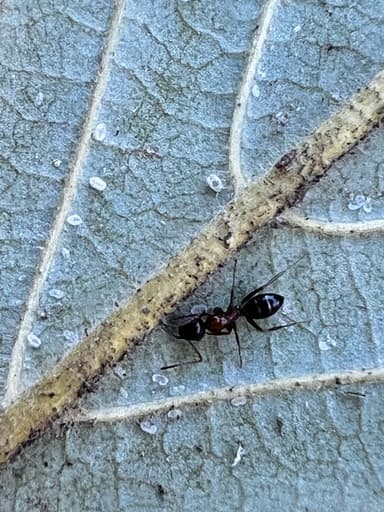
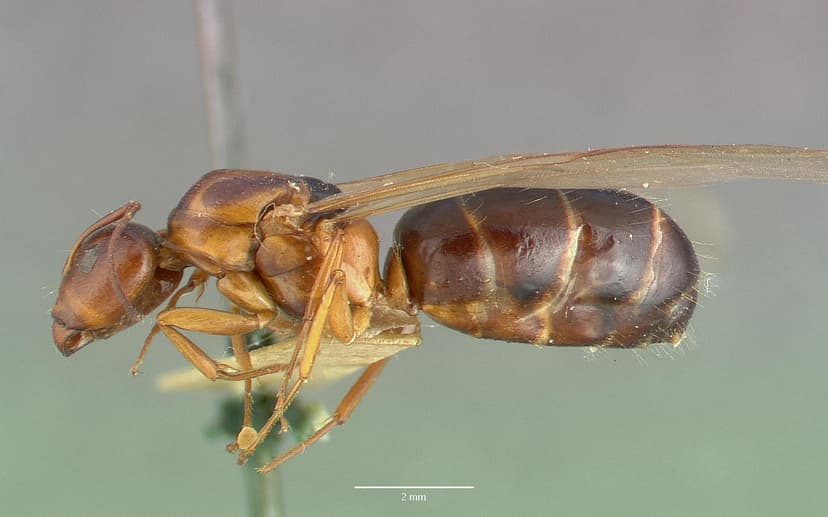
Camponotus hyatti
Nuptial Flight Calendar
Flight months: Mar, Apr, May, Jun, Jul, Aug
Care Guide
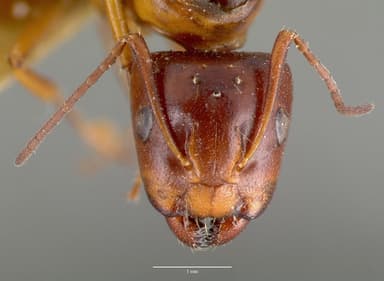
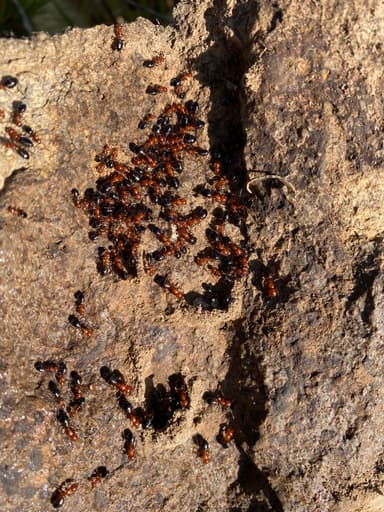
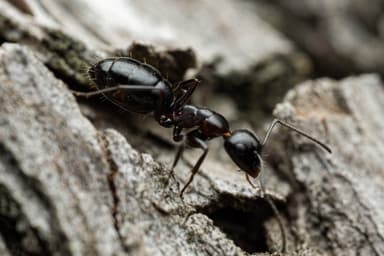
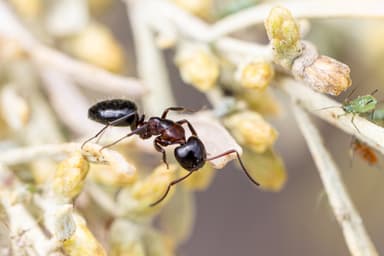
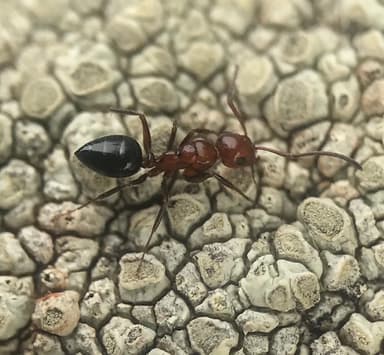
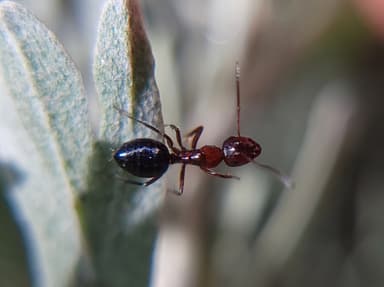
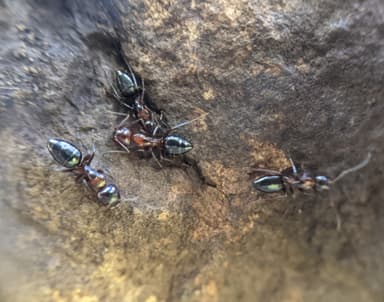
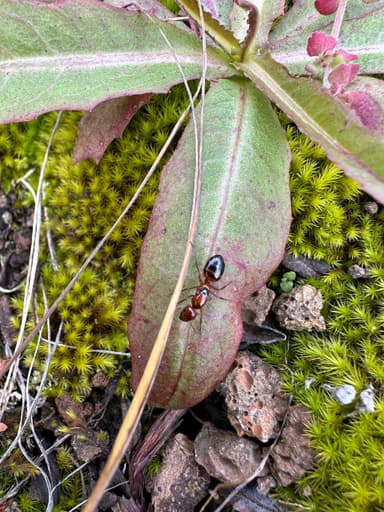
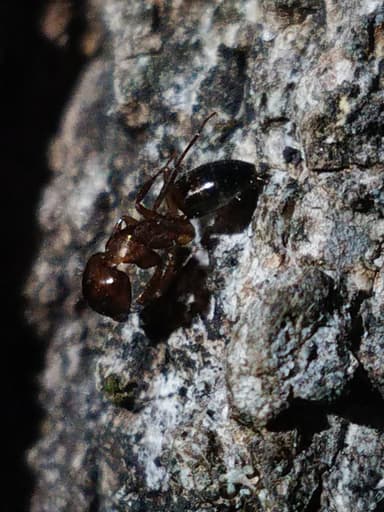
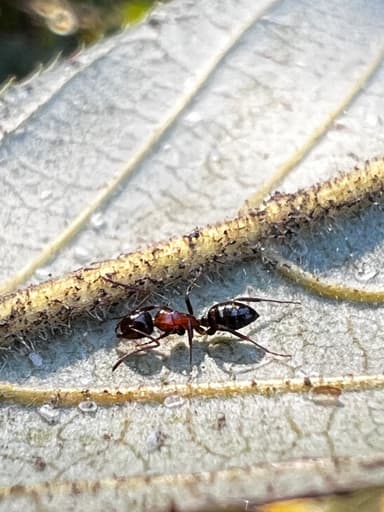
Camponotus hyatti is a captivating carpenter ant native to the arid landscapes of the Southwestern United States, particularly southern California, Arizona, and Nevada, where it thrives in chaparral and oak woodland habitats (Snelling 1988). This species exhibits a distinct worker polymorphism, with two clearly defined castes: lithe minor workers measuring roughly 4–5 mm, and robust, square-headed major workers reaching up to 8 mm, both serving a queen that can attain 9–11 mm. Colonies are modest by carpenter ant standards, maxing out around 3,000 individuals, and are founded claustrally, meaning the queen seals herself away to raise her first brood without foraging. What makes C. hyatti especially alluring to keepers is its desert adaptation — the ants are crepuscular foragers, often more active during the twilight hours, and their nuptial flights occur on warm summer evenings following the dramatic monsoon rains of July and August, a spectacle that connects the hobbyist directly to the rhythms of the southwestern monsoon season.
The care difficulty is intermediate, making this species well-suited to keepers who have successfully maintained temperate ants and are comfortable managing a mandatory hibernation cycle. Their relatively compact colony size and claustral founding simplify the early stages, but they demand a careful mimicry of their native climate, particularly the cool, dry winter rest that is non-negotiable for long-term health. If you live in or have an affinity for the ecosystems of the American Southwest, C. hyatti offers a manageable window into that world, rewarding observant keepers with a colony that can be lively and responsive without the explosive growth that overwhelms novices.
Housing should reflect their natural nesting preferences — in the wild, they excavate dead wood and branches, often in arid, well-drained soils. A standard formicarium with a humidity gradient works well, with a nesting area that stays relatively dry (40–60% humidity) and an outworld where they can forage. Temperature should be maintained between 21°C and 28°C during the active season; a gentle heat gradient from one end of the nest to the other allows the ants to self-regulate. Unlike tropical species, they do not need consistently high humidity, and stagnant, damp conditions can lead to fungal issues. Provide a sand or sand-loam substrate if you opt for a naturalistic vivarium, but a clean acrylic or plaster nest with a small hydration source is equally effective. Always include a piece of cork bark or decaying hardwood in the outworld — not only does it serve as a shelter, but minor workers will often rasp at its surface to collect lignocellulose material, a behavior typical of genus Camponotus.
A balanced diet is essential for a thriving colony. Offer a steady supply of small insect protein, such as fruit flies, pinhead crickets, or chopped mealworms, feeding once or twice a week depending on brood load. Major workers, with their powerful mandibles, readily dismember larger prey items. Carbohydrates can be supplied via sugar water, honey water, or artificial nectar, which they will avidly collect; in nature, they visit extrafloral nectaries and tend aphids for honeydew. Always provide a clean water source, either through a test tube setup or a cotton-plugged water feeder. Given their crepuscular tendencies, presenting fresh food at dusk often elicits the most enthusiastic foraging response.
Hibernation is a critical component of their annual cycle. In their native range, winter temperatures dip consistently, and a failure to provide this dormancy typically leads to dwindling brood production and shortened queen lifespan. The colony requires a rest period of at least three to four months at a stable 12°C. Begin the transition in late autumn by gradually reducing temperatures over a couple of weeks, and once chilled, disturbance should be absolutely minimal. The ants will cluster tightly, activity will cease, and they will not consume food, though a tiny water source should remain available to prevent desiccation. When spring arrives, warm them slowly back to their active range, and the queen will resume egg-laying as the colony reawakens.
The first days after your purchase are a delicate settling-in period. Upon arrival, keep the test tube or nest in a dim, quiet space and resist any urge to check on them frequently. Offer a minute drop of sugar water on a small piece of foil or directly on the entrance of the tube, but do not introduce live insects just yet. The queen, if alone, should be setting into her claustral rhythm; if you have a young colony with workers, they will need a day or two to acclimate before exploring their new outworld. Watch for signs of stress such as constant pacing or excessive antenna grooming. Once the workers begin calmly walking the outworld boundaries, you can offer a pre-killed fruit fly. Avoid jostling the nest, as vibrations can cause a panic that harms small brood piles. With patience and a gentle hand, your C. hyatti colony will soon reward you with the quiet industry of a unique desert-adapted ant.